Beyond the Binary: A Basic Guide to Transgender Awareness
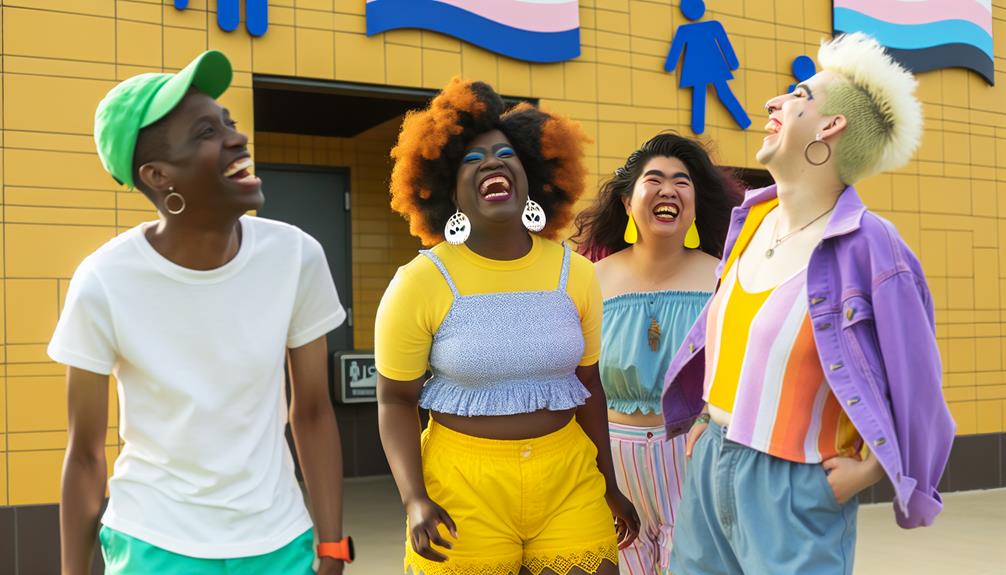
Coincidentally, many people may not fully grasp the nuances of transgender identities, leading to misconceptions and misunderstandings. Understanding transgender people goes beyond just recognizing their existence; it involves empathy, education, and a willingness to challenge preconceived notions.
By exploring the complexities of gender identity and the diverse experiences within the transgender community, individuals can foster a more inclusive and supportive environment for all.
Stay tuned to uncover the key elements that form the foundation of understanding transgender individuals and their lived realities.
Understanding the distinction between transgender and gender identity is essential for steering the complexities of gender diversity effectively. Transgender individuals are those whose gender identity doesn’t align with the sex they were assigned at birth.
Gender identity, on the other hand, refers to a person’s internal sense of their gender, whether it be male, female, both, or neither. It’s important to recognize that gender identity is separate from sexual orientation. People may use different terms to identify their gender, and it’s important to respect and acknowledge these identities.
Transgender individuals may choose to change to better match their outward appearance with their gender identity. By understanding and accepting the unique experiences of transgender individuals in relation to their gender identity, society can create a more inclusive and supportive environment for all.
The historical presence of transgender individuals across various cultures and civilizations dates back centuries, challenging misconceptions about the modernity of transgender identities. Throughout history, documentation and archaeological findings have shed light on the existence of transgender individuals in ancient civilizations. These historical records reveal instances of gender nonconformity and diverse gender identities that were recognized and accepted in societies long before contemporary understanding of transgender issues emerged.
From the Hijra communities in South Asia to Two-Spirit individuals in various Native American tribes, transgender people have been a part of cultural landscapes worldwide. Artwork, texts, and oral traditions have depicted and described transgender identities, highlighting the rich and diverse history of gender expression.
Exploring the various categories of transgender people reveals a spectrum of gender identities and expressions that have enriched cultural diversity throughout history.
These categories showcase the intricate tapestry of gender identity and expression within the transgender community. Understanding and acknowledging these diverse identities promote inclusivity and respect for all individuals, regardless of where they fall on the gender spectrum.
Recognizing the complexity and richness that different gender identities bring to society fosters a more inclusive and understanding environment for everyone.
The etiology of being transgender involves a complex interplay of genetic, hormonal, and environmental influences that shape an individual’s gender identity. Genetic variations and prenatal hormone exposure are thought to play a role in the development of gender identity. Studies have shown differences in brain structure and function between transgender and cisgender individuals, suggesting a neurological basis for gender identity. Additionally, social and cultural factors influence how individuals express their gender, contributing to gender identity development. While there is no singular cause of being transgender, a combination of biological, psychological, and social factors likely interact to shape one’s gender identity.
| Factors | Description | Examples |
|---|---|---|
| Genetic | Inherited traits that influence gender identity | Variations in certain genes |
| Hormonal | Influence of hormones on gender development | Prenatal hormone exposure |
| Environmental | External factors shaping gender identity | Social and cultural influences |
Understanding the causes behind being transgender sheds light on the prevalence of transgender individuals in society today. In the U.S., approximately 1.4 million adults identify as transgender, making up about 0.6% of the adult population, as reported by the Williams Institute.
Among high school students in the U.S., transgender youth are estimated to represent around 2% of the population. Studies indicate that the actual prevalence of transgender individuals may be higher than reported figures suggest due to underreporting and stigma surrounding this demographic.
The transgender population is diverse, encompassing individuals of various ages, races, ethnicities, and socioeconomic backgrounds. This diversity highlights the importance of recognizing and understanding the unique experiences and challenges faced by transgender individuals across different segments of society.
Supporting a transgender friend or family member who’s going through a gender affirmation involves listening with empathy, offering unconditional love, and educating oneself on transgender issues.
Providing emotional support, respecting their pronouns and name, and being an advocate in situations where they may face discrimination are essential.
Encouraging open communication and being there through their journey can make a significant positive impact on their well-being and confidence.
When seeking hormone therapy or surgery, transgender individuals may encounter specific medical considerations. These can include evaluating overall health, discussing potential risks and benefits, and ensuring readiness for the physical changes that come with these treatments.
It’s important for transgender individuals to work closely with knowledgeable healthcare providers who understand their unique needs and can provide appropriate care throughout the transformation process.
Transgender individuals often encounter challenges when seeking healthcare and mental health services. These obstacles can range from discrimination and lack of understanding from medical professionals to difficulties in finding providers who are knowledgeable about transgender health needs.
Access to affirming care may be limited, leading to delays in treatment or inadequate support. These barriers highlight the importance of creating inclusive and supportive environments within healthcare systems to make sure transgender individuals receive the care they deserve.
Workplaces and schools can create more inclusive environments for transgender individuals by implementing policies that promote diversity and provide training on transgender issues. By fostering a culture of respect and understanding, organizations can make sure that transgender individuals feel safe and supported.
Offering gender-neutral facilities, updating documentation to be more inclusive, and actively listening to the needs of transgender employees and students are vital steps in creating inclusive environments.
Transgender individuals facing discrimination or harassment can access a variety of resources for support. Local LGBTQ+ centers often offer counseling, legal assistance, and community programs.
Online platforms like the National Center for Transgender Equality provide information on rights and advocacy.
Hotlines such as the Trans Lifeline offer immediate support. These resources empower transgender individuals to navigate challenging situations and seek assistance in times of need.
To summarize, understanding transgender people is essential for creating a more inclusive and accepting society. Just like a rainbow with its vibrant colors, the transgender community is diverse and beautiful in its own unique way.
By respecting their identities and advocating for their rights, we can build a world where everyone is valued and accepted for who they truly are. Let’s embrace diversity like a patchwork quilt, each thread adding richness to the fabric of humanity.
Originally posted 2024-03-10 18:29:58.

 Featured PostsOctober 21, 2026The Trans Journey to Passing
 Activism and ChangeOctober 17, 2026Trans Rights at Risk? The Implications of a Trump 2024 Win
 Featured PostsOctober 17, 2026One Step Closer: Trans and Passing
 Featured PostsOctober 14, 2026Navigating Manhood: The Challenges FTM Individuals Face