Crossdressing vs. Transgender: Understanding the Key Differences

If you wear clothing linked to another gender, you might be crossdressing, which doesn’t automatically reflect a different gender identity. If you experience a persistent mismatch between your assigned sex at birth and your internal sense of gender, you may be transgender, and that can involve dysphoria and, for some people, transformation. These experiences can overlap but aren’t the same—so how do you tell what applies to you?
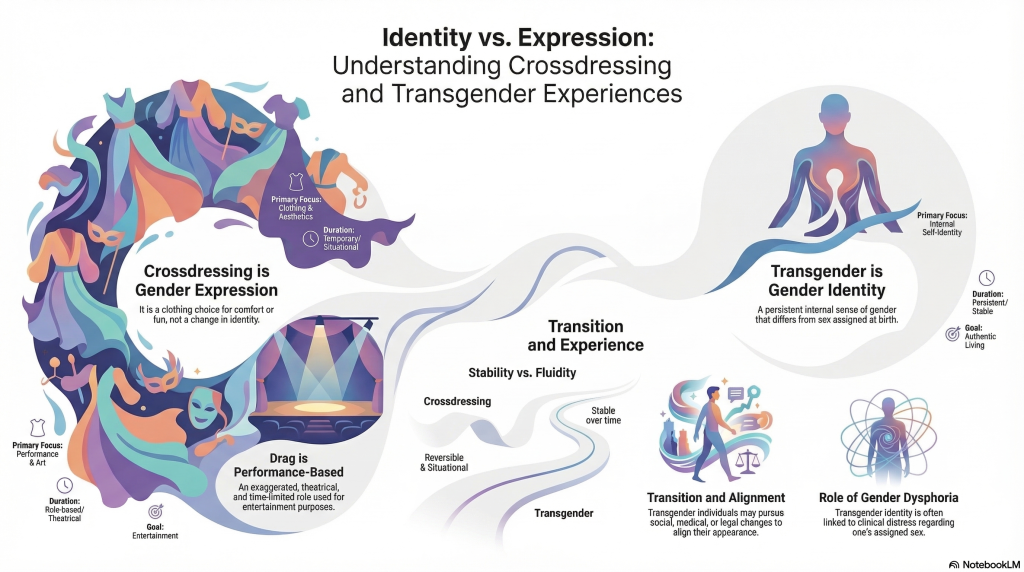

Although people sometimes conflate the two, crossdressing and being transgender describe different aspects of gender. When you crossdress, you typically change clothing to investigate gender expression, for comfort, self-expression, or entertainment, while still identifying with your biological sex and not seeking to alter your gender identity. Your choice can be temporary, situational, and responsive to societal perceptions of masculinity and femininity, without implying a different core identity.
When you’re transgender, you experience a persistent incongruence between sex assigned at birth and your internal gender identity. That identity tends to be stable over time and may lead you to pursue social and/or medical shift to align appearance with self. Understanding this distinction reduces misconceptions and supports respectful, accurate language.
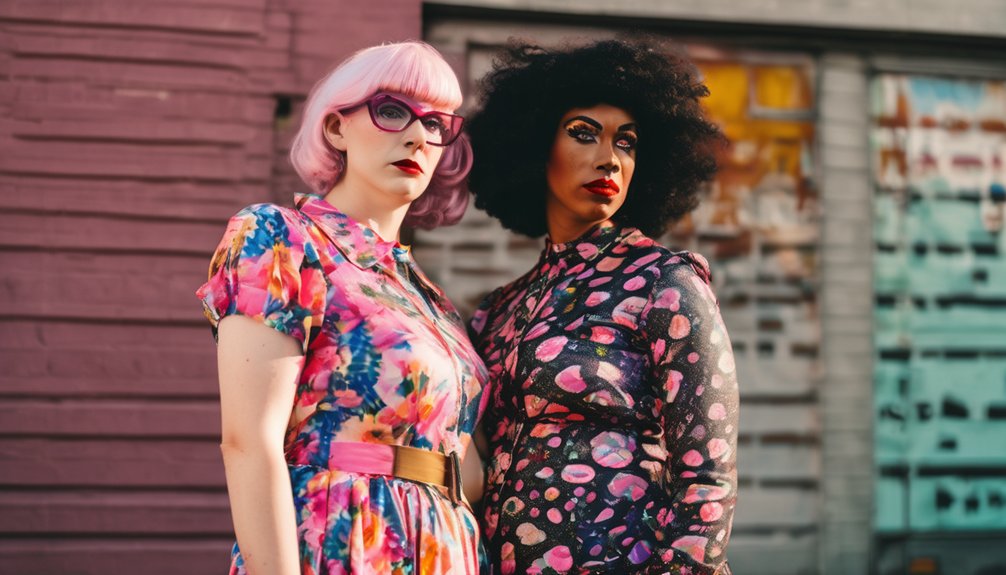
Why do so many people assume crossdressing automatically means you’re transgender? A major driver is crossdressing myths that treat clothing as a diagnostic marker. Clinically, clothing choice reflects gender expression, not necessarily gender identity. If you cross-dress, you may feel comfortable with your sex assigned at birth and have no wish to change. That differs from being transgender, where you experience a persistent incongruence between assigned sex and internal identity and may seek alignment socially, legally, or medically.
Both groups may wear feminine-coded clothes, but the experience isn’t equivalent. Cross-dressing is often situational and reversible, while transgender identity typically remains stable over time. Clear distinctions reduce stigma and support respectful care.

Because clothing carries social meaning, people crossdress for many different reasons that don’t automatically imply a transgender identity. You might do it for self-expression and personal comfort—clothes can change how you feel in your body and help you investigate different roles or aesthetics. You may also use crossdressing as a creative outlet, treating it like a hobby rather than a statement about who you are.
Sometimes you crossdress to step outside social norms temporarily, enjoying relief from gendered expectations without needing anything permanent. Others crossdress in performance art, such as drag, where exaggeration and gender play are central and socially supported. For some people, crossdressing includes a fetish interest, in which specific garments or presentations contribute to sexual arousal.
When your internal sense of gender doesn’t align with the sex assigned to you at birth, you may identify as transgender, and that mismatch can contribute to gender dysphoria—clinically defined distress that can affect mood, self-image, and daily functioning. You might notice discomfort with your body, social roles, or others’ expectations, and the intensity can vary over time and across settings.
If you seek relief, you can consider alternative paths tailored to your needs. Social steps may include using a different name or pronouns and adjusting presentation. Medical care can involve hormone therapy and, for some, surgeries to better align physical traits with identity. Legal changes, such as updating IDs, can reduce daily stress. Supportive family, friends, and clinicians can improve safety and mental health outcomes.
Gender dysphoria and gender identity describe who you are, but clothing and performance can describe what you do. If you’re sorting drag, crossdressing, and transgender identity, focus on function, duration, and internal experience—not stereotypes or media shortcuts. These concepts can overlap, but they’re not interchangeable.
Yes, crossdressing can affect your relationships, dating, and marriage by shifting relationship dynamics and creating dating challenges. You may experience emotional impact from secrecy, stigma, or relief, while partner acceptance often depends on trust and boundaries. Societal perceptions can add stress or safety concerns. You’ll do best when you use clear communication strategies: disclose at a chosen pace, discuss needs, negotiate limits, and consider couples therapy if conflict persists.
You can’t eliminate harassment risk, but you can reduce it by planning for public safety: choose well-lit, busy venues, go with a trusted friend, and share your route. Wear outfits that fit and allow quick movement, and keep necessities (ID, phone, charger). Practice confidence building at home, then in short outings. Stay situationally aware, avoid intoxication, and trust your instincts. If threatened, seek staff, call emergency services.

You’re not alone: like a shield, anti discrimination laws can protect you. Your legal rights vary by country, state, and city, but many places ban bias based on gender identity in jobs, housing, and services. You may have workplace protections against harassment and firing. Some regions guarantee healthcare access, including gender-affirming care. Public policy changes fast, so you should check local statutes, agency guidance, and legal aid resources.
Plan a calm, private talk and use “I” statements to explain what you experience and what support you need. Anticipate family reactions—confusion, worry, or rejection—and set boundaries if conversations turn harmful. Use communication strategies: share trusted resources, invite questions, and pace disclosure with safer relatives initially. Consider a support person, therapist, or group. If safety’s uncertain, prioritize housing and finances before coming out fully.
Nearly 1 in 2 LGBTQ+ people report recent mental health symptoms, so you’re not alone. You can find supportive communities through online forums (e.g., Reddit, TrevorSpace) and vetted support networks like PFLAG or local LGBTQ+ centers. You can attend local meetups via Meetup.com or center calendars. For therapists, you should use Psychology Today or WPATH directories and filter for gender-affirming care and peer groups.
You’ve seen that crossdressing describes what you wear, not necessarily who you are. Being transgender involves a sustained identity experience, often linked to clinically recognized gender dysphoria and, for some, change. So what does your experience mean? That depends on patterns over time, distress, and what brings relief. Drag adds performance, not diagnosis. If you’re unsure, don’t rush a label—track your feelings, and consider a qualified clinician for clarity.
Originally posted 2026-03-06 19:27:06.

 Featured PostsOctober 21, 2026The Trans Journey to Passing
 Featured PostsOctober 17, 2026One Step Closer: Trans and Passing
 Featured PostsOctober 14, 2026Navigating Manhood: The Challenges FTM Individuals Face
 Activism and ChangeOctober 14, 2026I’m I7 and Male, I Don’t Know Whether or Not I am a Trans Girl