Beyond the Headlines: What Every Transgender Woman Wished You Knew

Trans women want you to know that their identities are valid and should be respected like anyone else’s. Using their preferred names and pronouns is essential in affirming their experiences and reducing emotional distress. They face unique societal challenges, including discrimination and stigma, which can impact their well-being and relationships. Open communication, empathy, and genuine interest are key to fostering authentic connections. How can you contribute to a more inclusive world?
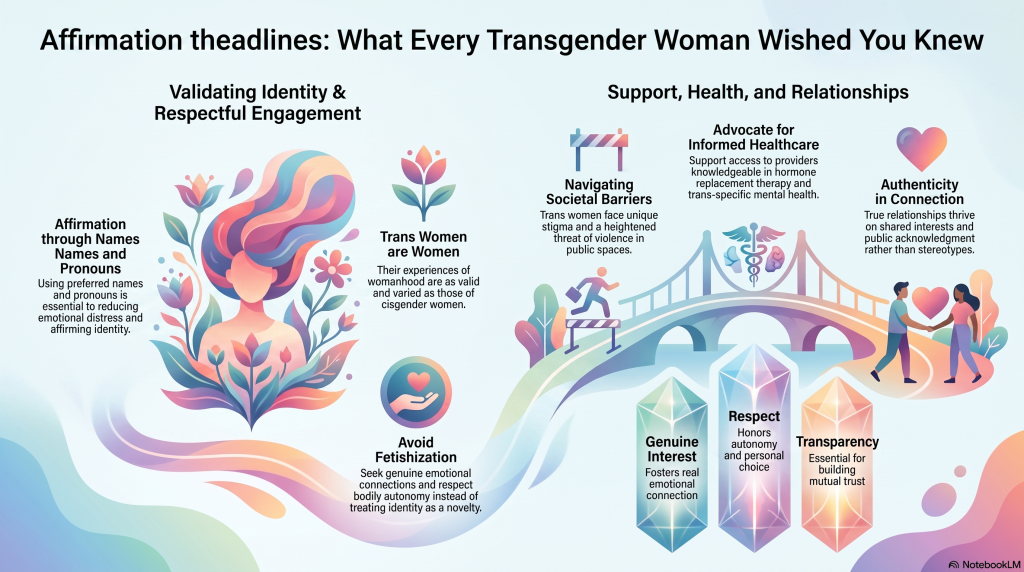
Understanding and validating trans identities begins with recognizing that gender isn’t just about biology; it’s a complex interplay of identity, experience, and self-awareness. Transgender individuals, especially trans women, deserve respect and acknowledgment of their identities without the constraints of traditional biological markers. By using preferred pronouns and names, you affirm their identities and reduce the emotional distress caused by misgendering. Acknowledge that trans women are women, and their experiences of womanhood are just as valid and varied as those of cisgender women. Attraction to trans women doesn’t alter your sexual orientation; it simply respects their identity as women. Adopt an inclusive understanding of womanhood and actively work to dismantle the stigma and discrimination that trans women often face.

Recognizing and validating trans identities sets the stage for addressing the societal challenges trans women encounter daily. Transgender people often face societal stigma that can impact their well-being and relationships. When dating trans individuals, it’s important to acknowledge the discrimination they face. Society’s ignorance and hatred can create barriers, and family discomfort or friends’ negative reactions may strain connections. Open communication becomes fundamental for mutual support, allowing both partners to navigate these challenges together. It’s significant to be aware of the heightened threat perception and potential violence trans women experience in public spaces. By challenging societal judgments and fostering understanding, you can create a supportive environment, empowering trans women to thrive despite societal barriers.

When forming authentic relationships with trans women, it’s vital to focus on genuine connection beyond mere attraction. True emotional connection means respecting their bodily autonomy and personal choices, regardless of any surgeries. Authentic relationships thrive on meaningful discussions about their interests and experiences, not stereotypes. Avoid fetishization to build a relationship based on respect.
| Key Aspect | Importance |
|---|---|
| Genuine Interest | Fosters real emotional connection |
| Respect | Honors autonomy and personal choice |
| Avoid Fetishization | Prevents objectification |
| Transparency | Builds trust and respect |
| Empathy | Improves relationship fulfillment |
Public acknowledgment of your relationship is key to trust. Understand the unique challenges trans women face to offer meaningful support. Welcome transparency to guarantee both partners feel valued.
Though relationships with trans women are often layered and intricate, accepting this complexity can lead to more profound and rewarding connections. Understanding the dynamic nature of these relationships means acknowledging both external judgments and internal feelings. Open communication is vital, allowing both partners to navigate societal issues and personal emotions together. By fostering empathy, you can better support your partner through the unique challenges trans women face, such as stigma and discrimination. Recognize that growth in your relationship involves healing and conflict, natural parts of your path together. The unique experiences each of you bring enrich your connection, encouraging you to accept these complexities. Ultimately, this understanding strengthens your bond and creates a more supportive, loving environment for both partners.
Maneuvering healthcare as a transgender woman can be challenging, but understanding your unique needs and advocating for knowledgeable, affirming providers is vital. Access to proper care can mean the difference between thriving and merely surviving. Prioritize your well-being by making sure your providers understand hormone replacement therapy and its effects on cardiovascular health. Engage openly about mental health, as higher depression rates require compassionate support.
Navigating healthcare is crucial; advocate for affirming providers who understand your unique needs and prioritize your well-being.
Here are three important actions to improve your healthcare experience:
Your health and well-being matter, and you deserve compassionate, informed care.
Imagine walking a tightrope, where balance is key. You should practice respectful communication, acknowledging trans women’s gender identity, and respecting personal boundaries. They seek understanding of their intersectional experiences, craving a world where their identity’s not a question mark. It’s about listening, learning, and standing up as allies. Recognize the unique challenges they face, and nurture connections that blossom beyond societal stereotypes. Your awareness can light the path towards inclusivity and empowerment.
To impress a trans woman, focus on authenticity in conversations and investigate shared interests together. Use compliments that resonate, showing genuine appreciation for her personality and achievements. Demonstrate respectful body language, ensuring she feels comfortable and valued. Show empathy by staying informed about societal challenges she faces, and actively support her identity. Authenticity and understanding will create a strong connection, reflecting your respect and admiration for her as an individual.
When you’re asking questions, focus on understanding gender identity and celebrating trans experiences. Ask about her interests, experiences, or thoughts on societal perceptions. Respect personal boundaries and avoid intrusive questions about her change. If you’re unsure about pronouns, just ask. Show genuine curiosity about her life and passions. Respect her privacy and gracefully change the subject if she seems uncomfortable. Engage in meaningful dialogue, fostering an empathetic and supportive atmosphere.
When asking a trans woman questions, avoid digging into her personal history like it’s an endless trove hunt. Inappropriate comments about her past or medical questions can make her feel like she’s under a microscope. Don’t seek dating advice by framing your attraction as a novelty. Approach with empathy, respect her privacy, and recognize her identity without assumptions. Every question should foster understanding, not discomfort.
Remember, your support can move mountains! By validating trans women’s identities, using their preferred names and pronouns, and standing against discrimination, you’re not just an ally—you’re a champion of change. Foster genuine connections through empathy and understanding; it’s essential for their well-being. Welcome the complexity of their experiences and advocate for better healthcare. Together, let’s create a world that celebrates diversity and guarantees every trans woman feels seen, respected, and loved.
Originally posted 2025-08-06 18:13:38.

 Featured PostsOctober 21, 2026The Trans Journey to Passing
 Activism and ChangeOctober 17, 2026Trans Rights at Risk? The Implications of a Trump 2024 Win
 Featured PostsOctober 17, 2026One Step Closer: Trans and Passing
 Featured PostsOctober 14, 2026Navigating Manhood: The Challenges FTM Individuals Face