The Power of Hormones: Facilitating Male to Female Transition
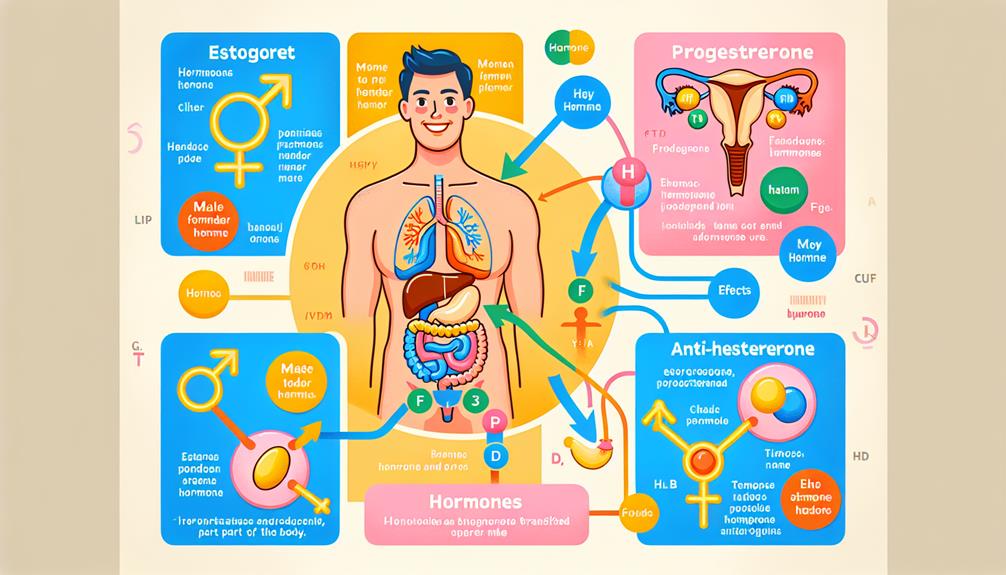
Coincidentally, the journey of transitioning from male to female involves a strategic interplay of hormones to align physical characteristics with one's gender identity. Estrogen, testosterone blockers, and occasionally progesterones are key players in this process.
But what exactly do these hormones do, and how do they work together to bring about the desired changes? Stay tuned to uncover the intricate dance of hormones in male to female transition and how they impact various aspects of a person's life.
Estrogen serves as the key hormone in male to female transition, playing a pivotal role in developing feminine secondary sex characteristics. Through hormone therapy, transgender individuals can feminize their appearance by introducing estrogen into their bodies. This hormone promotes changes such as breast development, fat redistribution to create a more feminine figure, and even softer skin. Estrogen can be administered in various forms, including pills, injections, and skin patches, allowing individuals to choose the method that best suits their needs and preferences.
In hormone therapy for transitioning individuals, estrogen is often accompanied by testosterone blockers. These blockers help suppress the effects of male hormones, further aiding in the development of female characteristics. Monitoring estrogen levels is essential throughout this process to ensure that the hormone is being absorbed effectively and to adjust dosage as necessary. By carefully managing estrogen intake, individuals can achieve safe and desirable outcomes in their transition journey.
In the process of feminizing the body during male to female hormone therapy, the introduction of anti-androgens, also known as testosterone blockers, plays a vital role in suppressing masculine characteristics and facilitating the development of feminine secondary sex traits. Anti-androgens such as spironolactone and GnRH agonists are prescribed to reduce testosterone levels, helping to counteract the effects of testosterone and promote feminization. By blocking the actions of testosterone, these medications allow estrogen to exert its feminizing effects more effectively, aiding in the development of female secondary sex characteristics.
Regular monitoring of testosterone levels and potential side effects is crucial when using anti-androgens in male-to-female transition to ensure the desired hormonal balance and minimize any adverse effects. Healthcare providers tailor the dosage and type of anti-androgen based on individual needs and considerations. Through the careful management of anti-androgens alongside estrogen therapy, individuals undergoing male-to-female transition can achieve the desired physical changes while optimizing their overall health and well-being.
Progesterone, an additional hormone utilized in male to female transition, provides crucial support for breast development and enhances the process of feminization. It plays a role in regulating the menstrual cycle, particularly in transgender women who've undergone an orchiectomy. Beyond its physiological effects, progesterone may also influence mood changes and contribute to overall well-being during hormone therapy.
Some transgender women opt to include progesterone in their hormone regimen due to its potential impact on fat distribution and skin changes. Healthcare providers closely monitor progesterone levels to ensure a balanced hormonal environment and to minimize any associated risks. By incorporating progesterone into hormone therapy, individuals undergoing male to female transition may experience enhanced breast development and further progress in their journey towards feminization.
This additional hormonal support offers transgender women more options for achieving their desired physical and emotional changes.
Utilizing GnRH agonists in male to female transition plays a pivotal role in regulating hormone production by suppressing testosterone from the testes. These medications, by initially stimulating certain hormones and then desensitizing the pituitary gland, effectively lower testosterone levels.
GnRH agonists are commonly used alongside estrogen therapy to achieve optimal suppression of male hormones and facilitate feminization. By inhibiting testosterone production, GnRH agonists help diminish masculine traits and encourage the development of female secondary sex characteristics.
It's crucial to regularly monitor hormone levels when utilizing GnRH agonists to maintain hormone balance and ensure the desired feminizing effects. This treatment approach contributes significantly to harmonizing hormone production in the male to female transition process, aiding individuals in aligning their physical characteristics with their gender identity.
Pivotal to the success of hormone therapy in male to female individuals, regular monitoring of hormone levels is crucial for ensuring the effectiveness and safety of feminizing hormone treatment. Healthcare providers assess hormone levels through blood tests to determine if adjustments are needed for optimal results. Monitoring helps prevent complications such as blood clots, heart problems, or high hormone levels during male to female transition. Adjustments in hormone dosages may be required based on individual responses, health status, and desired outcomes.
This close monitoring and timely adjustments contribute significantly to the safe and successful progression of the transition process from male to female. Regular check-ins with healthcare providers ensure that hormone therapy aligns with the individual's needs and goals, promoting a smooth transition while minimizing potential risks.
To become more feminine, men take hormones like estrogen and anti-androgens. Estrogen helps develop feminine characteristics, while anti-androgens reduce masculine features by suppressing testosterone. Progesterone may also be used to enhance breast growth.
This hormone regimen aims to align physical changes with a more feminine appearance. The combination of estrogen and anti-androgens is crucial in achieving the desired effects in male to female transition.
When aiming for feminization, individuals typically use estrogen as the primary hormone, often accompanied by anti-androgens like spironolactone to lower testosterone levels. Progesterone might also be incorporated to enhance feminine characteristics.
These hormones work together to bring about physical changes such as softer skin, fat redistribution, and breast development.
Regular monitoring of hormone levels is crucial to ensure the process is both safe and effective in achieving desired feminization goals.
Transitioning from male to female with hormones typically takes 2-3 years for significant changes to become noticeable. Within a few months, individuals may start to see physical changes such as breast development, softer skin, and fat redistribution.
Emotional changes are also part of the process. Regular monitoring by healthcare providers is crucial during this transition to ensure safety and effectiveness.
In male to female (MTF) hormone therapy, a combination of estrogen, anti-androgens, and sometimes progestins is used. These medications work together to reduce masculine traits and promote the development of feminine physical characteristics.
Estrogen is the primary hormone for developing female secondary sex characteristics, anti-androgens like spironolactone block testosterone to enhance estrogen effects, and progestogens further feminize the body and support breast development in MTF individuals.
In conclusion, hormone therapy plays a crucial role in male to female transition.
Did you know that according to a study, over 80% of transgender women reported positive changes in their mental health and well-being after starting hormone therapy?
It's important to work closely with healthcare providers to ensure safe and effective outcomes during the transition process.
Hormones like estrogen, testosterone blockers, and progesterone can help individuals align their physical and emotional characteristics with their gender identity.

 Featured PostsOctober 21, 2026The Trans Journey to Passing
 Featured PostsOctober 17, 2026One Step Closer: Trans and Passing
 Featured PostsOctober 14, 2026Navigating Manhood: The Challenges FTM Individuals Face
 Activism and ChangeOctober 14, 2026I’m I7 and Male, I Don’t Know Whether or Not I am a Trans Girl