Trump Admin Moves to Remove LGBTQ+ Housing Protections, Reshape Shelter Policy
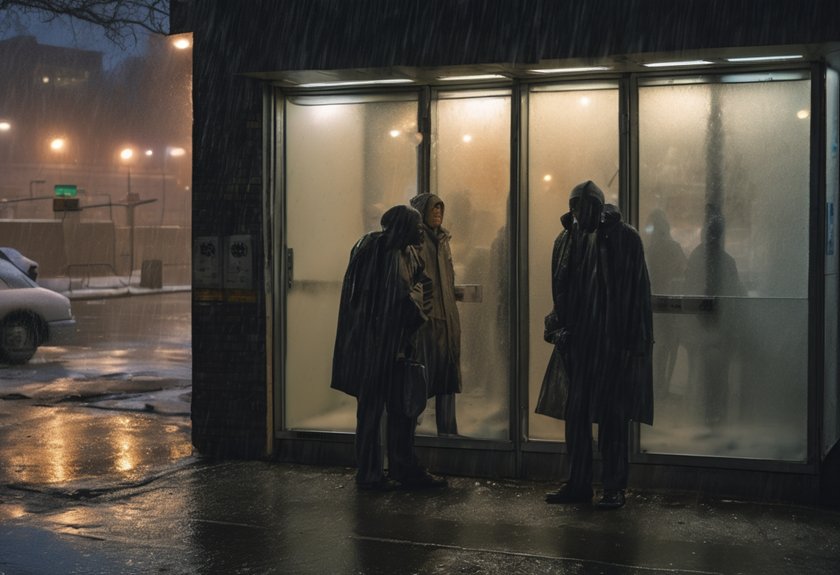
As the Trump administration moves to narrow federal civil-rights protections, the Department of Housing and Urban Development has stopped enforcing key LGBTQ+ housing safeguards, pausing gender-identity discrimination investigations and proposing rules that would let HUD-funded shelters police access based on sex rather than gender identity.
Under Secretary Scott Turner, HUD halted enforcement of the 2016 Equal Access Rule after his February swearing-in.
After Scott Turner’s swearing-in, HUD stopped enforcing the 2016 Equal Access Rule.
Staff received instructions to pause all investigations involving gender-identity housing discrimination, and agency attorneys reportedly closed pending cases for lack of jurisdiction.
That shift creates immediate legal gaps for people who relied on federal fair-housing enforcement when challenging exclusion, harassment, or denial of shelter access.
The proposed rule would replace references to “gender” and “gender identity” with “sex,” aligning HUD policy with President Trump’s executive order imposing a binary definition of biological sex.
It would also allow HUD-funded shelters to demand “reasonable assurances” of a person’s sex before admitting them.
In practice, that standard invites subjective screening and increases the risk that transgender people will face invasive questioning, denial of entry, or coerced disclosure.
The rollback carries especially high stakes because transgender people already experience housing instability at disproportionate rates.
The U.S. Trans Survey found that nearly one-third have experienced homelessness, while many avoid shelters because they fear mistreatment.
When federal protections weaken, those existing vulnerabilities become more dangerous, not more manageable.
The National Fair Housing Alliance documented at least 195 gender-identity housing complaints in 2023, underscoring that these disputes aren’t theoretical.
Yet outcomes now depend increasingly on state law and local enforcement capacity.
In states without explicit protections, complainants may have no practical remedy.
Some shelters have already removed LGBTQ+ service information or changed practices because they fear losing federal funding, showing how policy signals can chill inclusive compliance before any final rule takes effect nationwide.

 Featured PostsOctober 21, 2026The Trans Journey to Passing
 Activism and ChangeOctober 17, 2026Trans Rights at Risk? The Implications of a Trump 2024 Win
 Featured PostsOctober 17, 2026One Step Closer: Trans and Passing
 Featured PostsOctober 14, 2026Navigating Manhood: The Challenges FTM Individuals Face