North Carolina Transgender State of Affairs
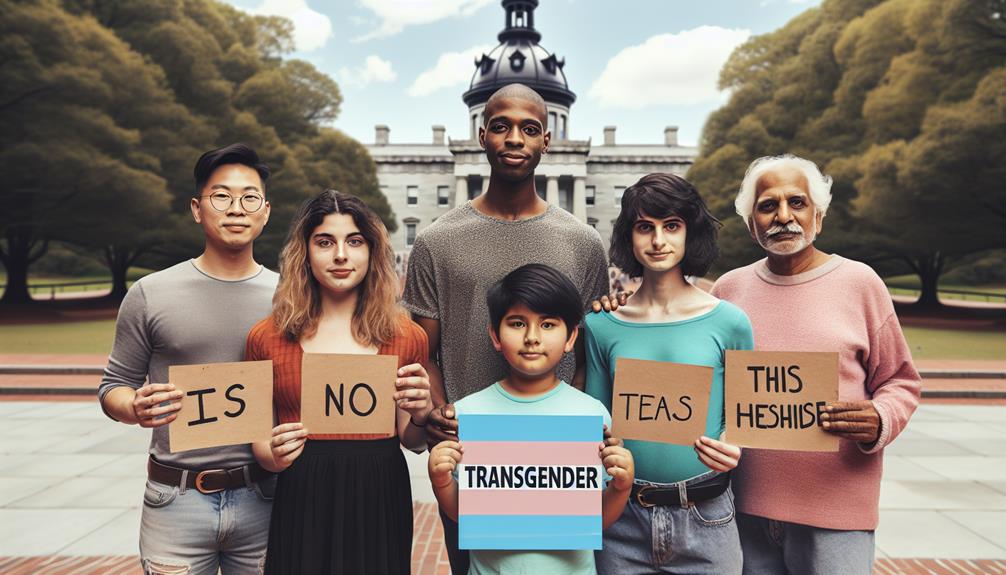
In the midst of North Carolina's political landscape, the debate over transgender rights has become a focal point of contention. With the recent surge in legislative efforts targeting transgender individuals, the state finds itself at a crossroads, grappling with the complexities of gender-affirming healthcare and trans inclusivity in sports.
As the push and pull of opposing viewpoints intensify, the impact on the transgender community remains a pressing concern. The unfolding developments in North Carolina not only reflect the state's current state of affairs but also mirror a larger national conversation on transgender rights, leaving many to ponder the potential ramifications and future trajectory of this polarizing issue.
The legislative landscape on transgender rights in North Carolina is currently marked by the advancement of legislation targeting gender-affirming health care and trans participation in sports by the GOP-controlled General Assembly. This Anti-Trans Legislation reflects a broader trend seen in other Republican-led state legislatures.
The bills encompass bans on gender-affirming care for minors and restrictions on trans girls' participation in school sports teams. Despite Governor Roy Cooper's Democratic affiliation, the Republican veto-proof majorities in both chambers limit his power to veto such legislation.
The impact of these laws could be detrimental, particularly for trans youth who already face elevated rates of suicidal ideation and encounter obstacles in accessing gender-affirming treatments. Notably, at least 20 states have enacted laws limiting or prohibiting gender-affirming care for transgender minors, with North Carolina becoming the 22nd state to approve such a ban.
The American Medical Association and other medical organizations have opposed these measures, highlighting the importance of access to gender-affirming care for the well-being of trans individuals. The legislation also intersects with public health and ethical considerations, raising concerns about discrimination and healthcare access for the transgender community.
The implementation of anti-trans legislation in North Carolina and other states has sparked significant concern and debate regarding its impact on the transgender community. The repercussions of such legislation are multifaceted, affecting various aspects of the lives of transgender individuals.
These legislative measures not only infringe upon the rights of transgender individuals but also have real and immediate consequences for their health and well-being. As such, the impact of anti-trans legislation in North Carolina and other states is a matter of significant concern for the transgender community.
Advocacy organizations and grassroots efforts are actively working to challenge and counter anti-trans legislation in North Carolina and other states, aiming to promote equality and protect the rights of transgender individuals.
In response to legislative measures that restrict transgender rights, advocacy groups are engaging in lobbying, litigation, and community outreach to advance equality.
Efforts are focused on advocating for inclusive policies, gender-affirming health care access, and anti-discrimination protections in state legislatures. Collaborative initiatives between LGBTQ+ rights organizations, legal experts, and community leaders are underway to address the challenges faced by transgender individuals in North Carolina. The American Academy of Pediatrics and the Center for Transgender Equality NC are among the groups at the forefront of these advocacy efforts.
Educational campaigns are also being conducted to foster understanding and acceptance of transgender individuals and their rights.
These multifaceted advocacy endeavors are crucial in challenging discriminatory laws and fostering a more inclusive and equitable environment for transgender individuals in North Carolina and beyond.
Facing legislative pushback and discriminatory measures, the transgender community in North Carolina encounters significant challenges related to access to healthcare and participation in sports.
The state's legislation aims to restrict access to gender-affirming care, including hormone therapy and gender marker changes, exacerbating the already limited access to healthcare for transgender individuals.
Transgender youth are particularly impacted, as these discriminatory measures worsen their already higher rates of suicidal ideation and limit their ability to receive medically necessary treatments.
The proposed bills target transgender individuals' participation in sports, sparking debates around fairness and inclusion.
Advocates argue that these measures protect female athletes, while critics highlight the detrimental impact on the mental well-being and inclusion of transgender athletes.
The legislation's passage poses a direct threat to the allocation of state funds for essential healthcare services for the transgender community, further marginalizing an already vulnerable population.
These challenges underscore the urgent need for advocacy and support for the transgender community in North Carolina, as they navigate through a complex landscape of legislative barriers and societal stigmatization.
What impact will the legislative measures targeting gender-affirming health care and trans participation in sports have on the future of transgender rights in North Carolina?
The bills targeting trans people in North Carolina have raised concerns about the future of transgender rights in the state. With Governor Roy Cooper facing limited power to block such legislation, the potential consequences for transgender individuals are significant. The restrictions on hormone therapy and gender-affirming care could have detrimental effects on the well-being of trans people.
Moreover, the legislation targeting trans participation in sports has sparked debates about fairness and inclusivity, with some arguing it's necessary to protect female athletes while others criticize it for targeting a vulnerable minority group. These measures could exacerbate the already high rates of suicidal ideation among trans youth and limit their access to necessary gender-affirming treatments.
The broader national trend of states enacting laws restricting or banning gender-affirming care for transgender minors further complicates the future landscape of transgender rights in North Carolina. The state finds itself at the intersection of a contentious debate over gender, sexual orientation, and access to essential healthcare.
Yes, individuals can legally change their gender in North Carolina through a process that allows them to update gender markers on official documents, such as birth certificates and driver's licenses.
This process involves submitting an application and fulfilling certain requirements, which may include providing medical documentation or court orders.
It's important to follow the specific guidelines outlined by the state to ensure a successful legal gender change.
The gender law in North Carolina includes legislation targeting gender-affirming health care and trans participation in sports. These bills have sparked both support and criticism.
Concerns about protecting female athletes and targeting a vulnerable minority group have been raised. The impact of the legislation on trans youth and access to care is a significant concern, as it could worsen the already high rates of suicidal ideation among trans youth.
The NC Puberty Blocker Bill is legislation aiming to ban hormone treatments and surgeries for transgender minors in state facilities. It also seeks to prevent transgender girls from participating in school sports aligning with their gender identity.
The bill has sparked debate, with some Republican senators supporting it to protect female athletes, while Democratic senators criticize it for targeting a vulnerable minority group.
The proposed law could have significant implications on trans youth's access to gender-affirming care.
NC House Bill 808 is a legislative proposal that aims to restrict gender-affirming health care for transgender minors and prohibit transgender girls from participating in school sports teams that align with their gender identity. The bill has sparked debate, with some arguing it's necessary to protect female athletes, while others criticize it for targeting a vulnerable minority group.
If passed, the bill could have a significant impact on trans youth, potentially worsening their already high rates of mental health issues and homelessness.
In conclusion, the state of transgender rights in North Carolina remains a hotly debated issue. With the GOP advancing legislation targeting gender-affirming health care and trans participation in sports, the impact on the transgender community is significant.
In fact, a recent study found that 29% of transgender individuals in North Carolina reported being denied access to healthcare due to their gender identity.
The future of transgender rights in the state remains uncertain, with advocacy efforts continuing to push for equality.

 Featured PostsOctober 21, 2026The Trans Journey to Passing
 Activism and ChangeOctober 17, 2026Trans Rights at Risk? The Implications of a Trump 2024 Win
 Featured PostsOctober 17, 2026One Step Closer: Trans and Passing
 Featured PostsOctober 14, 2026Navigating Manhood: The Challenges FTM Individuals Face