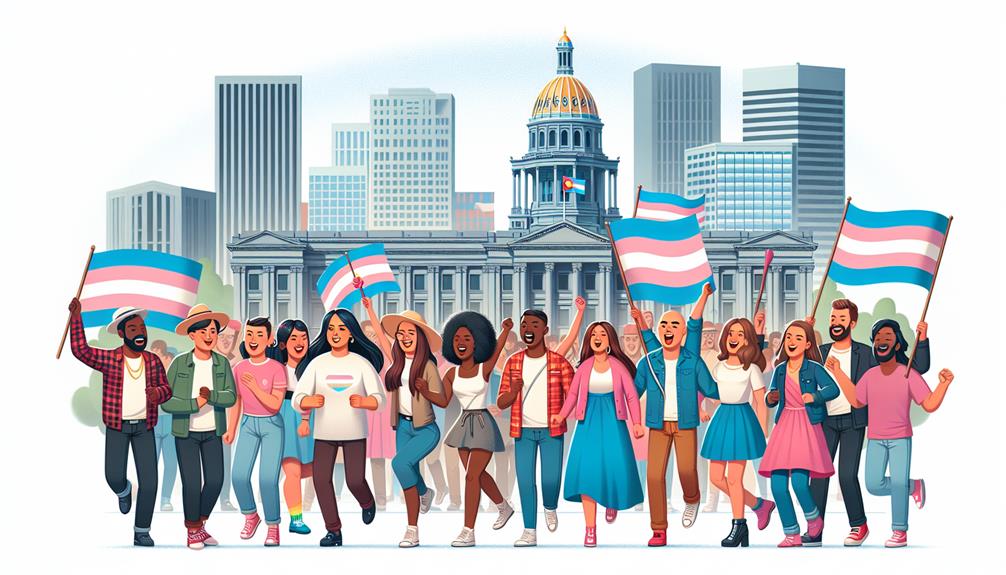
Louisiana Transgender State of Affairs
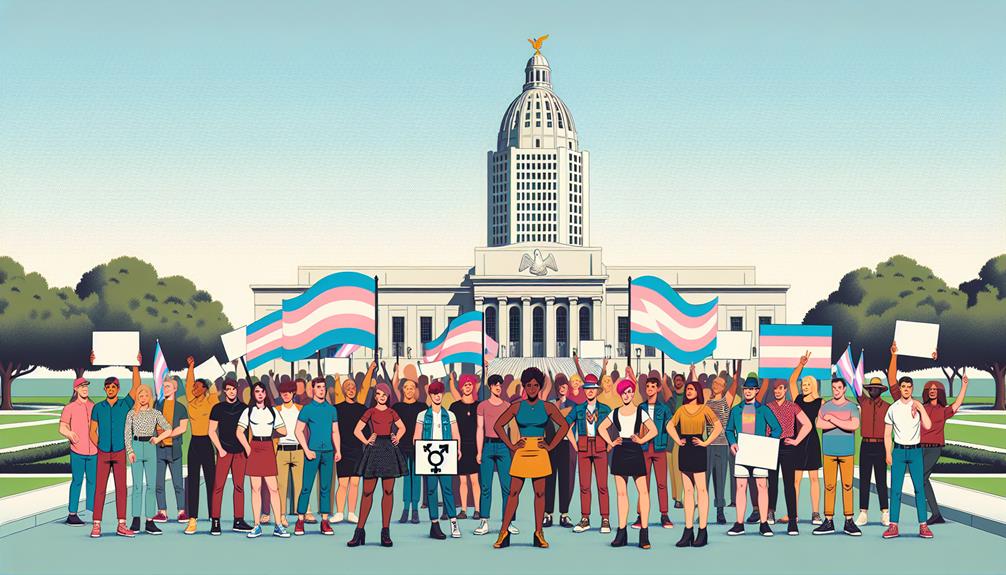
Transgender individuals in Louisiana are facing significant legal challenges in accessing gender-affirming health care, as a lawsuit has been filed against the state’s ban on such care for individuals under 18.
The ban on gender-affirming care for minors in Louisiana has sparked a contentious legal battle, with plaintiffs arguing that it violates the state constitution and discriminates against transgender youth.
This ban not only jeopardizes the essential medical care for trans minors but also puts their mental health at risk, potentially increasing the likelihood of suicide.
Organizations supporting the plaintiffs emphasize that gender-affirming care is crucial in addressing gender dysphoria, and evidence indicates the disproportionate rate of suicide attempts among transgender youth underscores the urgent need for this care.
Moreover, major medical organizations have criticized the ban, asserting that it encroaches upon medical best practices and contradicts evidence-based recommendations.
The legal challenges faced by transgender individuals in Louisiana highlight the pressing need for equitable access to gender-affirming health care, especially for vulnerable minors.
Access to essential healthcare services for individuals in Louisiana who are seeking gender-affirming care faces significant barriers due to the state’s ban on such treatments for minors. This ban creates a challenging environment for transgender minors who require access to necessary medical treatments. The table below outlines the impact of the ban on gender-affirming care for trans minors in Louisiana.
| Challenges | Effects |
|---|---|
| Limited access to healthcare | Transgender minors face difficulties in obtaining essential medical care, affecting their overall well-being. |
| Discrimination | The ban leads to discrimination against transgender minors, depriving them of the opportunity to receive proper healthcare services. |
| Mental health impact | Restricted access to gender-affirming care contributes to adverse mental health outcomes for transgender minors, exacerbating their gender dysphoria. |
The ban on gender-affirming care not only violates the state constitution but also infringes on the rights of transgender minors to equal access to healthcare. It is crucial to address these barriers and advocate for policies that support the healthcare needs of transgender individuals, especially minors, in Louisiana.
Louisiana’s current laws regarding employment and housing present significant challenges for transgender individuals seeking equal opportunities and fair treatment in the workplace and housing market. This creates a difficult situation for the transgender community in Louisiana. The discrimination they face is multi-faceted, impacting various aspects of their lives.
The challenges faced by transgender individuals in Louisiana in securing employment and housing highlight the crucial need for robust advocacy and support groups to address their unique struggles and promote inclusivity and equality.
Louisiana is currently grappling with a ban on gender-affirming care for minors, further underscoring the necessity of advocacy and support groups. These organizations play a vital role in championing the rights of transgender individuals, providing crucial resources, and fostering a sense of community.
In the face of discriminatory policies, advocacy groups are instrumental in amplifying the voices of transgender individuals and pushing for legislative change. Additionally, support groups offer a safe space for transgender individuals to share experiences, seek guidance, and access essential services.
The recent legal challenges against the ban on gender-affirming care for minors emphasize the urgency of advocacy efforts. These groups are at the forefront of the fight for equitable access to healthcare, challenging discriminatory policies, and advocating for the well-being of transgender individuals in Louisiana.
Their work is instrumental in shaping a more inclusive and affirming society.
Amidst the complex landscape of public perceptions and cultural attitudes in Louisiana, it’s evident that the understanding and acceptance of transgender individuals play a critical role in shaping legislative decisions and societal support for gender-affirming care.
The ban on gender-affirming care for trans minors in Louisiana reflects a lack of understanding and acceptance of transgender individuals within the state’s culture. This ban may be influenced by societal beliefs and prejudices against transgender individuals, hindering the acceptance and support of gender-affirming care for transgender youth.
Negative public perceptions and cultural attitudes towards gender identity can have detrimental effects on the well-being and mental health of transgender youth in Louisiana, impacting their access to necessary medical support.
In Louisiana, pronoun etiquette and using preferred names are significant for affirming gender identity. Legal requirements and workplace rights should align with social acceptance and educational resources to support transgender individuals.
Health care, mental health, support networks, and community advocacy are essential for their well-being. It’s crucial to create an inclusive environment that respects and supports individuals’ gender identities.
Louisiana’s current laws and regulations play a crucial role in shaping this supportive environment.
To legally change gender in Louisiana, one can initiate the court process by filing for a name change. Required documents, such as an affidavit and a medical certification of gender transition, are necessary.
Support from social circles, support groups, and community resources can provide vital assistance. The process has legal implications and may impact family dynamics.
Mental health is a crucial aspect, and seeking support is essential for a smooth transition.
Yes, Medicaid covers transgender healthcare in Louisiana. This insurance option provides financial support for medical expenses related to gender-affirming care. It ensures access to necessary treatment options for transgender individuals.
However, healthcare barriers still exist, and policy changes are needed to further support and improve access to care. There may also be assistance programs available to aid in covering the costs of transgender healthcare for those in need.
In Louisiana, individuals seeking to transition can access various resources. Support groups, healthcare options, and community advocacy are available to help with social and medical transitions. Individuals can also seek assistance for name changes, hormone therapy, and mental health support.
However, they may face workplace discrimination and challenges with family acceptance. Accessing these resources is crucial for a successful transition and overall well-being.
The current state of transgender rights in Louisiana presents legal and healthcare challenges for transgender individuals.
Despite discriminatory policies and cultural attitudes, there are advocacy and support groups working to address these issues.
It’s important to recognize the barriers faced by the transgender community and work towards creating a more inclusive and supportive environment for all individuals.

 Featured PostsOctober 21, 2026The Trans Journey to Passing
 Activism and ChangeOctober 17, 2026Trans Rights at Risk? The Implications of a Trump 2024 Win
 Featured PostsOctober 17, 2026One Step Closer: Trans and Passing
 Featured PostsOctober 14, 2026Navigating Manhood: The Challenges FTM Individuals Face