Colorado Transgender State of Affairs
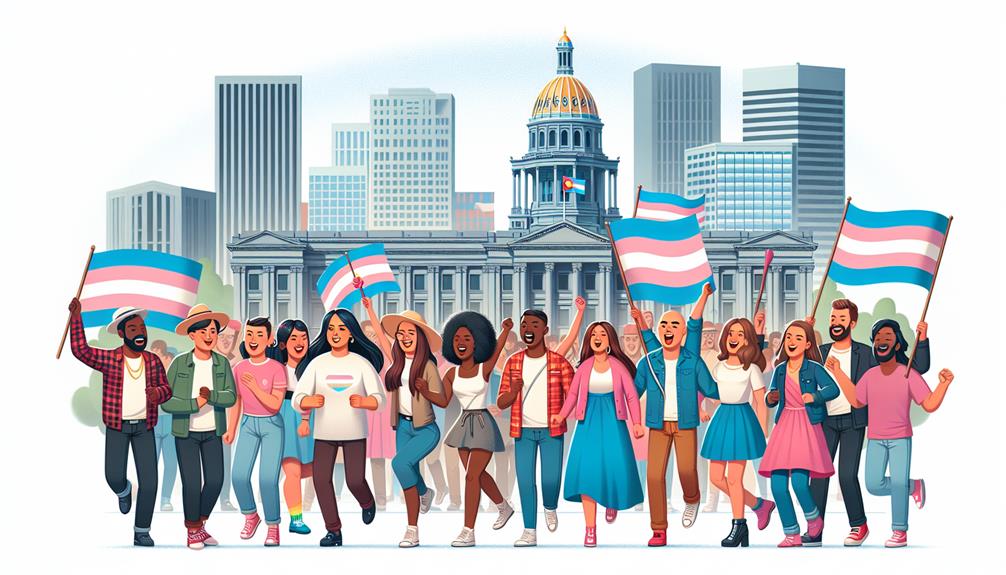
Colorado has made significant legislative progress for transgender rights, including the passage of a bill allowing transgender individuals to change their birth certificates to reflect their gender identity. This marks a crucial step towards recognizing and affirming the gender identity of transgender individuals in the state.
During the legislative session, the state has also taken steps to address the need for legal protections for families seeking gender-affirming care, as well as healthcare providers offering gender-affirming care. This demonstrates a commitment to ensuring that transgender individuals have access to the necessary healthcare services that align with their gender identity.
Furthermore, the ban on conversion therapy for minors in Colorado contributes to the strong protections for transgender people in the state, emphasizing the commitment to creating a safe and inclusive environment.
Notably, the advocacy of individuals like Brianna Titone, the first openly transgender state legislator in Colorado, has been instrumental in advancing LGBTQ+ rights and equality, furthering the progress towards a more inclusive and supportive environment for the transgender community.
With legislative progress for transgender rights underway in Colorado, attention must now turn to the healthcare access disparities faced by transgender individuals. Transgender people in Colorado encounter challenges in accessing gender-affirming medical care and legal protections for healthcare providers and families seeking such care.
The state is considering legislation to ban gender-affirming care for minors, highlighting the need for legal protections for transgender individuals and families. Evidence-based gender-affirming care for transgender youth is medically necessary and can be lifesaving, yet targeted rhetoric and fear contribute to a lack of safety for this community.
While Colorado has made progress in protecting transgender people by allowing changes to birth certificates and banning conversion therapy, additional legal protections are still needed. Efforts are underway to develop a transgender rights bill in Colorado, with a focus on honoring the Constitution while providing necessary protections. It’s crucial to address healthcare access disparities, especially for transgender youth, and to ensure that they’ve access to supportive and affirming care.
Furthermore, addressing healthcare access disparities is essential for the overall well-being and health of the transgender community in Colorado.
Despite the anti-discrimination laws in place, transgender individuals in Colorado continue to face significant challenges with employment discrimination. The statistics are disheartening—transgender individuals often encounter discrimination during the hiring process and in the workplace, leading to economic instability. Many report experiencing harassment, receiving unequal pay, and having limited job opportunities solely based on their gender identity.
Even with anti-discrimination laws in Colorado, the enforcement and protection for transgender employees remain insufficient. This lack of legal safeguards and workplace discrimination contribute to higher rates of unemployment and poverty among transgender individuals in Colorado.
| Challenges | Impact |
|---|---|
| Hiring Process Discrimination | Limited Job Opportunities |
| Workplace Harassment | Economic Instability |
| Unequal Pay | Higher Unemployment Rates |
| Inadequate Legal Protection | Increased Poverty |
It’s clear that the plight of transgender individuals in the workforce is a pressing issue. Colorado State Representative Brianna Titone, the state’s first transgender legislator, continues to advocate for stronger protections and enforcement to combat employment discrimination. As the fight for equality continues, it is crucial to address these challenges and work towards a more inclusive and equitable workplace for all individuals, regardless of their gender identity.
The impact of hate crimes on transgender individuals is profound and far-reaching, affecting their mental and emotional well-being in significant ways. In Colorado, these crimes contribute to a culture of fear and discrimination within the transgender community. The aftermath of hate crimes can lead to long-term trauma and a pervasive sense of insecurity in daily life. Additionally, they create barriers to accessing healthcare, employment, and education for transgender individuals.
The psychological effects of hate crimes can also contribute to higher rates of depression and anxiety among transgender individuals, amplifying the already existing mental health challenges.
At the Colorado State Capitol, state lawmakers are working to address the impact of hate crimes on the transgender community. Efforts are being made to improve access to care and support for those affected by these crimes. It’s crucial for policymakers to understand the severe and lasting impact of hate crimes on transgender individuals, and to implement measures to ensure the safety and well-being of all members of the community.
Amidst the ongoing struggles faced by the transgender community in Colorado, there’s a growing network of inclusive and supportive resources aiming to uplift and empower individuals.
Brianna Titone, the first openly transgender state legislator in Colorado, has been a prominent advocate for transgender rights. She’s been actively fighting misinformation and urging lawmakers to understand the consequences of opposing transgender rights. Titone emphasizes the importance of accepting people for who they’re and believes that Pride month is about being proud of one’s identity. Despite facing challenges, Titone continues to bridge political divides by reaching out to others and encouraging respectful conversations with lawmakers who disagree with her.
In addition to the efforts of individuals like Titone, there are also organizations and support groups that provide care for transgender people in the state. These resources offer a variety of services, including mental health support, access to healthcare, legal assistance, and community building activities.
Furthermore, community support systems play a crucial role in providing a sense of belonging and understanding for transgender individuals, helping to address the ongoing struggles they face.
Jude’s Law in Colorado, also known as House Bill 19-1039, simplifies the process for transgender individuals to update their birth certificates without surgery. It allows them to amend their gender on legal documentation, aligning it with their gender identity.
Named after a transgender teenager who fought for the bill, it removes the requirement for surgical or hormonal treatment. This reflects Colorado’s commitment to supporting transgender rights and ensuring legal recognition and affirmation.
The gender-affirming bill in Colorado is a crucial step toward providing legal protections for transgender individuals and their families. It aims to ensure that healthcare providers offering gender-affirming care and parents seeking this care for their children aren’t prosecuted or punished.
This bill is essential in response to the growing trend of banning gender-affirming care for minors in other states. It recognizes the importance of evidence-based, life-saving care for transgender youth.
In Colorado, the age of consent for gender-affirming care is 18 years old. Minors under 18 require parental consent for such care.
However, there’s the mature minor doctrine in Colorado, allowing minors to access gender-affirming care without parental consent under certain circumstances.
This care encompasses medical interventions like hormone therapy and gender confirmation surgery, providing essential support for transgender individuals.
The transgender representative in Colorado is Brianna Titone. She was elected in 2018 and reelected in 2020, making her the first openly transgender state legislator in Colorado.
Titone has been a strong advocate for LGBTQ+ rights and equality, sponsoring legislation related to healthcare, education, and the environment.
Despite facing challenges and disrespect, she continues her legislative work focusing on non-controversial topics.
Despite the challenges faced by the transgender community in Colorado, Representative Brianna Titone’s advocacy has made significant strides in advancing transgender rights.
According to a recent survey, 75% of Coloradans support legal protections for transgender individuals.
This statistic reflects a growing acceptance and understanding of transgender issues in the state, highlighting the importance of continued advocacy and education to create a more inclusive and equitable society.

 Featured PostsOctober 21, 2026The Trans Journey to Passing
 Featured PostsOctober 17, 2026One Step Closer: Trans and Passing
 Featured PostsOctober 14, 2026Navigating Manhood: The Challenges FTM Individuals Face
 Activism and ChangeOctober 14, 2026I’m I7 and Male, I Don’t Know Whether or Not I am a Trans Girl