South Dakota Transgender State of Affairs
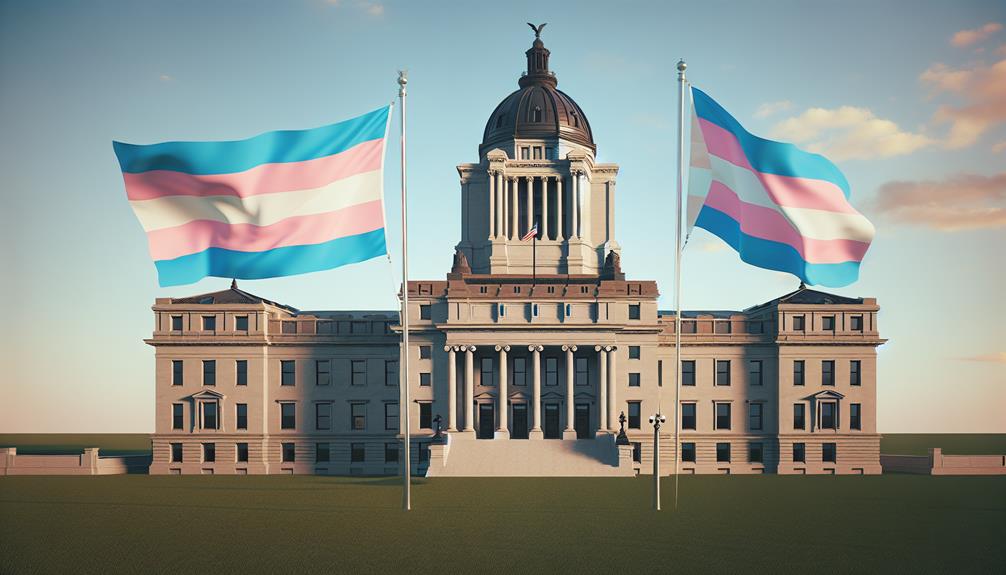
In the midst of a polarized national conversation on transgender rights, South Dakota finds itself at the center of a contentious debate. The state has recently implemented a series of laws and policies that directly impact the transgender community, sparking a heated discussion on the legal, social, and healthcare challenges faced by transgender individuals.
As the situation continues to unfold, it becomes increasingly crucial to understand the multifaceted implications of these developments and the various perspectives shaping the discourse.
The legal landscape for transgender rights in South Dakota has been significantly impacted by the passage of discriminatory anti-transgender legislation, including Senate Bill 46 and House Bill 1005, sparking widespread opposition and concerns about its effects on LGBTQ+ youth.
Governor Kristi Noem authored Senate Bill 46, marking it as the first discriminatory anti-transgender legislation to reach a governor's desk in 2022. These legislative actions have led to damaging effects on LGBTQ+ youth in South Dakota, negatively impacting their mental health due to these targeted attacks.
Additionally, Governor Noem signed a law banning gender-affirming health care for any transgender person under 18, making South Dakota the fourth state to pass such a ban. These laws have raised significant concerns about the well-being and rights of transgender individuals in the state.
The introduction of anti-transgender legislation has sparked widespread opposition from major U.S. corporations, advocacy groups, and athletes. These actions have put South Dakota at the center of the debate surrounding transgender rights and have drawn attention to the need for comprehensive legal protections for transgender individuals, especially youth, in the state.
Amid recent legislative restrictions, transgender youth in South Dakota face significant challenges in accessing gender-affirming healthcare. Governor Noem's discriminatory legislation has severely limited the availability of gender-affirming care for young transgender individuals, impacting their ability to receive essential medical support.
This legislation reflects a broader trend of limiting transgender rights, with various states imposing similar bans on gender-affirming care for minors. The restrictions have profound implications, denying transgender youth access to necessary medical care, hindering their growth and development, and jeopardizing their mental health and well-being.
The impact of these limitations on healthcare access for transgender youth underscores the urgent need to support and advocate for policies that safeguard the civil rights and well-being of all individuals, regardless of their gender identity. It's crucial to stay informed, take action, and work towards creating communities that prioritize equal access to healthcare for all, irrespective of gender identity.
Governor Noem's discriminatory legislation has significantly impacted the lives of transgender youth in South Dakota, fostering an environment of discrimination and necessitating robust advocacy efforts to protect their rights and well-being. South Dakota has passed anti-transgender legislation, including a sports ban and restrictions on bathroom use for transgender students. This reflects a concerning trend in limiting transgender rights, with over 150 anti-transgender bills introduced in 2021 across 34 states. Such legislation has harmful impacts on transgender youth, contributing to violence and discrimination, and denying them opportunities to participate in sports and receive gender-affirming medical care.
In response to this, advocacy groups, including the American Civil Liberties Union (ACLU) and Human Rights Campaign, are actively opposing discriminatory legislation and advocating for policies that protect the freedom and well-being of transgender youth. Major U.S. corporations and athletes have also expressed support for transgender rights, condemning discriminatory laws.
The ACLU and ACLU of South Dakota continue to fight for the rights of transgender youth, working tirelessly to ensure they're treated with dignity and respect and have access to the same opportunities as their peers.
Fostering a sense of community and providing vital resources, organizations dedicated to supporting the transgender community play a crucial role in advocating for acceptance and understanding. In South Dakota, the transgender community can access a range of support and resources, including:
In the face of recent challenges, such as Governor Noem's attempt to ban gender-affirming care for young people, these support networks are more crucial than ever. They also play a pivotal role in advocating for policies and legislation that protect the rights and well-being of transgender individuals. Working alongside health care providers, they provide essential assistance, information, and advocacy for those within the transgender community.
The efforts of these organizations are vital in creating a more inclusive and supportive environment for transgender individuals in South Dakota.
In light of the vital role played by organizations dedicated to supporting the transgender community and promoting understanding and acceptance, Public Awareness and Education Initiatives in South Dakota are actively working to provide accurate and inclusive information about transgender issues to the general public. These initiatives aim to dispel misconceptions and promote understanding and acceptance of transgender individuals in various settings, including schools, workplaces, and communities. The education programs and resources are designed to raise awareness about the challenges faced by transgender individuals and the importance of creating safe and supportive environments for them. Additionally, Public Awareness and Education Initiatives strive to empower allies to advocate for policies and practices that protect the rights and well-being of transgender people. These initiatives are crucial in promoting empathy, respect, and equality for transgender individuals and fostering a more inclusive society in South Dakota.
| South Dakota | Governor Noem | State Legislature |
|---|---|---|
| Transgender young people | Ban transgender | Transgender students |
| Gender identity | Public awareness | Education initiatives |
In comparison to other states in the United States, South Dakota's legal landscape for transgender rights varies.
The state's policies and legislation may differ from those of other states, impacting the rights and protections afforded to transgender individuals.
This can result in differences in areas such as healthcare access, discrimination protections, and legal recognition.
Understanding these variations is crucial for advocating and supporting the rights of transgender individuals across different states.
Transgender individuals in many areas face healthcare access barriers. Discrimination and lack of understanding can lead to limited access to gender-affirming care, mental health support, and general healthcare.
Accessing appropriate medical services can be challenging due to lack of insurance coverage and healthcare providers' lack of knowledge. These challenges can have a significant impact on the well-being of transgender individuals, highlighting the need for improved healthcare access and support.
Advocacy efforts targeting the transgender community in South Dakota include initiatives to combat discrimination in housing, employment, and public accommodations. Organizations are working to raise awareness and promote policies that protect transgender individuals from discrimination. These efforts seek to ensure equal access to opportunities and services for the transgender community.
Additionally, advocacy groups are actively engaging with lawmakers and the public to promote understanding and support for transgender rights.
In some states, unique transgender community support and resources aren't commonly found. These resources can range from specific healthcare services to legal support and advocacy groups.
The availability of these resources often depends on the local community's awareness and acceptance of transgender individuals. In some cases, specialized support groups and programs cater to the unique needs of the transgender community, providing a safe space for individuals to connect and access essential resources.
Public awareness and education initiatives play a crucial role in addressing transgender issues. These efforts often include educational workshops, community outreach programs, and media campaigns to promote understanding and acceptance.
Evaluating their effectiveness involves measuring changes in attitudes, behaviors, and policies. Such initiatives aim to create a more inclusive and supportive environment for transgender individuals, fostering empathy and reducing discrimination.
Ongoing assessment and adaptation are key to ensuring their impact.
In conclusion, South Dakota's current state of affairs regarding transgender rights and legislation presents challenges for the transgender community. Despite discriminatory laws and limited healthcare access, advocacy efforts and community support continue to provide resources and education.
It's important to recognize the ongoing struggles and work towards creating a more inclusive and supportive environment for transgender individuals.

 News and AdvocacyJuly 6, 2026Federal Judge Shuts Down Trump Administration’s Push for Trans Kids’ Medical Files
 Featured PostsJuly 3, 2026Solitude, Not Silence: My Foundations for Living Alone
 Featured PostsJuly 3, 2026What Is Gender Affirming Care?
 Featured PostsJuly 3, 2026Connecting the Dots: Often-Overlooked Signs of Being a Trans Woman