Empowering Transgender Youth: The Role of Puberty Blockers
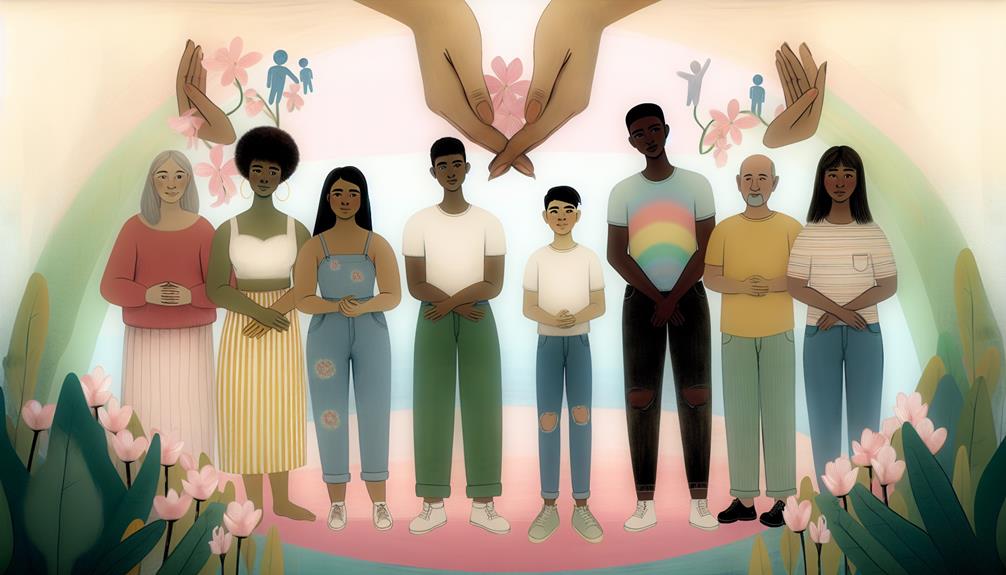
supporting transgender youth choices
supporting transgender youth choices
Have you ever wondered if puberty blockers truly empower transgender youth by allowing them to investigate their gender identity without the stress of unwanted physical changes? Imagine a young person, feeling trapped in a body that doesn't reflect who they are, ultimately getting a chance to pause those changes. By delaying puberty, these medications offer a reversible option to make more informed decisions about their future. How do healthcare professionals assess who should use these blockers, and what are the potential side effects? Let's delve into these questions to understand the full impact of this medical intervention.
When supporting transgender youth, puberty blockers are an essential tool that can pause the changes of puberty and give them more time to investigate their gender identity. These blockers, like GnRH analogues, work by halting the production of sex hormones such as testosterone and estrogen. This pause prevents the development of secondary sex characteristics—like facial hair or breast development—that may not align with a transgender youth's gender identity.
Puberty blockers play a vital role in gender-affirming care. They help alleviate gender dysphoria, which is the distress someone might feel when their physical body doesn't match their gender identity.
Imagine a transgender boy who starts developing breasts; this could be incredibly distressing for him. By using puberty blockers, he can avoid these changes and feel more comfortable in his body.
One of the most reassuring aspects of puberty blockers is their reversibility. If a young person decides to stop taking them, natural puberty will resume.
Typically administered through injections or implants, these blockers give transgender youth the necessary time to fully investigate their gender identity. This careful approach can help them make more informed decisions about future steps, like hormone therapy.
By pausing the changes of puberty, puberty blockers give transgender youth a chance to explore their gender identity without the added stress of developing unwanted physical traits. This can be a huge relief when you're dealing with gender dysphoria, which is the distress you might feel when your body doesn't match your gender identity.
Using puberty blockers can greatly enhance your mental well-being. By delaying the physical changes that don't align with your gender identity, you might feel less anxious or depressed. You can focus better on school and social interactions, knowing your body isn't changing in a way that makes you uncomfortable.
Another major benefit is that the effects of puberty blockers are reversible. If you decide to stop taking them, your body will resume the usual puberty process. This gives you time to make more informed decisions about any future medical changes you might consider.
For transgender youth assigned female at birth, puberty blockers can limit or stop breast development. For those assigned male at birth, they can slow down facial and body hair growth. This can mean fewer surgeries and other medical interventions down the line, making life a bit easier and more aligned with your true self.
To utilize puberty blockers, transgender and gender-diverse youth need to demonstrate clear signs of gender dysphoria, particularly if it commenced or intensified with the onset of puberty. These signs may include distress over developing secondary sex characteristics like breast growth or facial hair. The criteria for using puberty blockers also involve assessing any psychological, medical, or social issues that could disrupt the treatment.
For example, a young person who feels increasingly uncomfortable in their body as puberty progresses might be a candidate. They need to consult with healthcare professionals who can evaluate their gender dysphoria and determine if puberty blockers are suitable. It's crucial to know that puberty blockers are reversible. Once their use is discontinued, puberty resumes, enabling transgender youth to take their time in deciding their next steps.
GnRH analogues, the primary type of puberty blockers, aren't administered to children who haven't yet initiated puberty. However, once puberty commences, these medications can halt the progression of undesired physical changes. This pause offers transgender youth the opportunity to navigate their gender identity without the added stress of incongruent physical changes, assisting them in feeling more in control of their body and future.
Administering puberty blockers in transgender youth typically involves injections or implants, which work to halt the development of unwanted secondary sex characteristics. These treatments aim to alleviate gender dysphoria by pausing puberty, allowing you to investigate your gender identity without the stress of developing traits that don't align with how you feel inside.
When it comes to administration, healthcare professionals will guide you through the process. The most common type, GnRH analogues, are essential and usually require regular injections or a tiny implant under your skin. These methods guarantee that the effects can be closely monitored and adjusted as needed.
However, it's important to be aware of potential side effects. Some common ones include hot flashes, changes in bone density, and possible weight gain. While these side effects might sound concerning, your healthcare team will regularly check your progress to manage any issues that arise. Regular monitoring ensures that the benefits of using puberty blockers outweigh any potential downsides.
While puberty blockers provide a necessary pause in development, additional treatments like hormone therapy and surgeries may be necessary to further align your body with your gender identity. Gender-affirming hormone therapy can help develop secondary sex characteristics that match your gender identity, such as breast development or facial hair. This step is often vital for feeling more comfortable in your own skin.
Gender-affirming surgeries, like chest reconstruction or genital reconstruction, may also be considered. These surgeries can greatly alleviate gender dysphoria and improve the general quality of life. It's crucial to discuss these options with your medical team to understand the benefits and risks.
Counseling and therapy play a significant role in this process. Regular sessions with a mental health professional can help you navigate emotional challenges and make sure you're making informed decisions. Additionally, fertility preservation options should be discussed if you're considering having biological children in the future. This might involve freezing eggs or sperm before starting hormone therapy.
Monitoring bone health is vital because puberty blockers can affect bone density. Regular check-ups will help ensure your bones remain strong and healthy. Your well-being and treatment goals should be continuously assessed to provide the best care possible.
The regret rate for gender-affirming care is quite low, at around 1-2%. Regarding puberty blockers specifically, the regret rate is even lower. Most individuals are very satisfied with their decision to use them.
Imagine making a choice that helps you feel more like yourself, and knowing that almost everyone who made that choice is happy with it. That's the reality for many people in gender-affirming care.
Arguments against puberty blockers include concerns about potential long-term effects on bone density and brain development. Critics worry they might impact future fertility and reproductive options. They also question the lack of long-term research on safety and efficacy.
Ethical concerns arise about delaying natural puberty and the irreversible changes it may cause. Some believe blockers might hinder a child's natural sense of self-development during that critical period.
Absolutely, gender dysphoria can be a coping mechanism. Imagine feeling like you're in a constant tug-of-war with your own identity! For some transgender youth, this struggle brings clarity and validation, helping them navigate societal pressures.
It's like finding a map in a maze. By understanding their dysphoria, they develop resilience and self-awareness, ultimately leading to healthier coping strategies and a more authentic life.
The best treatment for gender dysphoria includes a tailored, multidisciplinary approach. You'll find that puberty blockers, hormone therapy, and counseling are often key components.
Puberty blockers can pause unwanted physical changes, giving you time to investigate your gender identity. Counseling helps you navigate your feelings and experiences.
Hormone therapy and, if desired, surgery, can further align your body with your gender identity, promoting your mental well-being.
In summary, puberty blockers are like a pause button, giving transgender youth the freedom to investigate their true selves without the stress of unwanted changes.
With careful guidance from healthcare professionals, you'll find that these treatments can greatly improve mental well-being and ease gender dysphoria.
By understanding and considering puberty blockers, you're taking an essential step towards a future that's more in line with who you really are.

 Featured PostsSeptember 20, 2026Full or Partial Transition? Understanding the Options for Older Trans Adults
 Activism and ChangeAugust 27, 2026From Erasure to Oppression: The Rise of Anti-Trans Laws
 Activism and ChangeAugust 27, 2026The Power of Resistance: Lessons From the Stonewall Riots
 Featured PostsAugust 27, 2026Dysphoria: Acknowledging the Pain, Finding Hope