Court Rejects Order Requiring Transgender Women to Relocate to Men’s Prisons
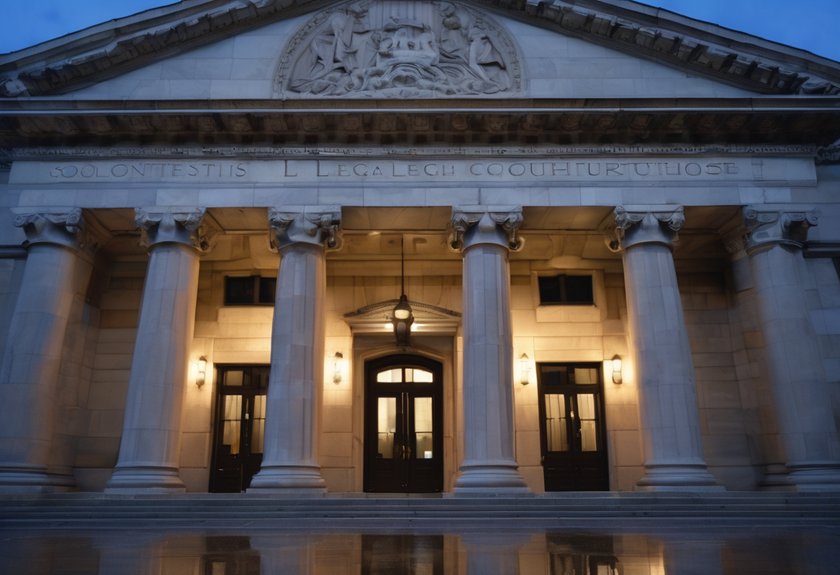
Although the case is still unfolding, a federal court has twice ruled that transgender women in federal custody can’t be moved out of women’s prisons while the challenge proceeds, holding that the Bureau of Prisons must preserve their pre–January 20, 2025 housing placements and continue gender-affirming medical care. That directive places constitutional limits on prison policy and rejects abrupt changes that expose people to known danger.
Federal courts have twice barred transfers that would expose transgender women in custody to known danger while litigation continues.
In February 2025, Judge Royce Lamberth initially entered a temporary restraining order on February 4, then a preliminary injunction on February 18. Both orders required officials to keep protected women where they’d been housed before January 20 and to maintain prescribed medical care, including hormone treatment.
The court’s reasoning centered on irreparable harm and equal protection principles. Plaintiffs submitted affidavits describing harassment, threats, prior sexual assault, and serious health consequences from interrupted treatment.
For post-operative women especially, transfer to men’s facilities threatened immediate physical and psychological injury. On that record, the judge found a strong likelihood that forced transfers would violate constitutional guarantees before the merits could even be fully resolved.
Rights don’t disappear at the prison gate, and precedent demands more than administrative convenience when state action creates foreseeable danger.
The injunctions didn’t end in February. The court renewed them on May 15, 2025, through August 23, and again on August 20, through November 21. Those rulings protected at least 17 women directly, while counsel understood the relief to reach about 22 people nationwide.
Although the D.C. Circuit later remanded parts of the dispute and declined to halt transfers of 18 women across the country, it left the district court free to make additional individualized factual findings. That matters because equality under law requires careful attention to actual risk, actual bodies, and actual constitutional injury—not blanket exclusion or political decree.

 News and AdvocacyJuly 6, 2026Federal Judge Shuts Down Trump Administration’s Push for Trans Kids’ Medical Files
 Featured PostsJuly 3, 2026Solitude, Not Silence: My Foundations for Living Alone
 Featured PostsJuly 3, 2026What Is Gender Affirming Care?
 Featured PostsJuly 3, 2026Connecting the Dots: Often-Overlooked Signs of Being a Trans Woman