Transgender Women Athletes Locked Out as IOC Redefines Who Can Compete in Women’s Events
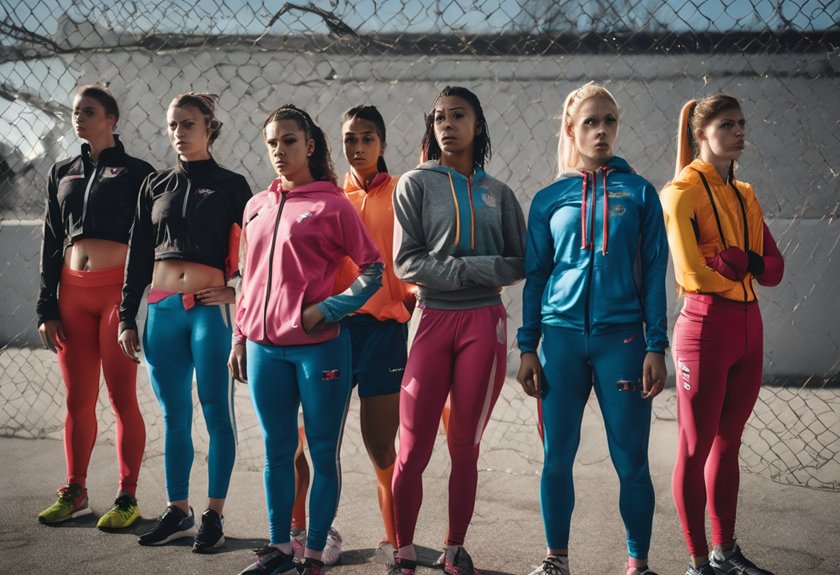
As the International Olympic Committee resets eligibility rules for the 2028 Los Angeles Games, it has moved to bar transgender women from female-category events and to require a one-time SRY gene test to verify eligibility, arguing that athletes who’ve undergone male puberty can retain significant performance advantages. The IOC says the rule protects competitive fairness, athlete safety, and the integrity of women’s sport. It won’t apply retroactively, and it doesn’t govern grassroots or recreational participation.
For Los Angeles 2028, the IOC will bar transgender women from female events and require one-time SRY testing for eligibility.
The policy rests on a physiological case the IOC presents as settled enough for regulation. It points to three testosterone peaks—prenatal development, infant “mini-puberty,” and adolescent puberty—and argues those exposures can create durable differences in muscle mass, bone structure, power production, and aerobic capacity.
By its estimates, male performance advantages average roughly 10 to 12 percent in many running and swimming events, exceed 20 percent in numerous throwing and jumping disciplines, and can surpass 100 percent in some explosive punching metrics.
For verification, the IOC has selected SRY-focused genetic screening through a cheek swab, saliva sample, or blood test. It describes that approach as the least intrusive and most accurate option now available, emphasizing scientific validity and administrative consistency. Several international federations, including track and field, skiing, and boxing, already use similar standards, which strengthens the IOC’s claim that the test is operationally feasible across Olympic qualification pathways.
Still, the legal implications are significant. Human rights advocates argue that mandatory gene testing revives discredited sex-screening practices and risks exclusion, stigma, and discrimination. Those objections will likely shape future challenges before courts, arbitral bodies, and national regulators.
The policy also aligns with broader U.S. political pressure, including measures advanced under President Trump, underscoring that Olympic eligibility rules now sit at the intersection of science, governance, and contested civil rights debates globally.

 Featured PostsOctober 21, 2026The Trans Journey to Passing
 Activism and ChangeOctober 17, 2026Trans Rights at Risk? The Implications of a Trump 2024 Win
 Featured PostsOctober 17, 2026One Step Closer: Trans and Passing
 Featured PostsOctober 14, 2026Navigating Manhood: The Challenges FTM Individuals Face