Beyond Labels: Exploring the Worlds of Crossdressing, Transgender Identity, and Drag
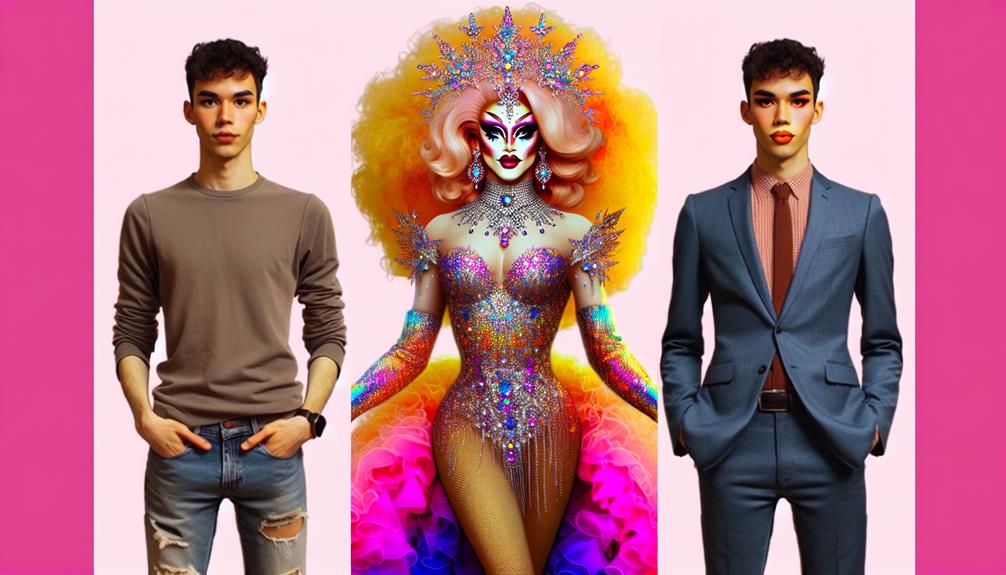
In discussions concerning the distinctions between a crossdresser, a drag queen, and being transgender, the nuances in gender expression and identity come to light. Although they may all involve deviations from traditional gender norms, the motivations and implications vary realm. Exploring these differences can unravel the intricate tapestry of human identity and challenge preconceived notions about gender roles and societal expectations.
Get ready to uncover the layers of complexity that shape individuality and self-expression within these diverse realms of gender variance.
When distinguishing between crossdressers and drag queens, it’s essential to understand their distinct purposes and contexts of dressing. Crossdressers typically dress in clothing associated with the opposite gender for personal comfort or expression, often without the intention of public performance. On the other hand, drag queens use exaggerated attire, makeup, and performances to entertain and showcase creativity to an audience.
While crossdressers may identify as cisgender individuals exploring their gender expression, drag queens are often cisgender or transgender individuals who perform in drag as a form of artistic expression.
The key difference between crossdressers and drag queens lies in their focus: crossdressers prioritize personal expression, comfort, and identity exploration, while drag queens prioritize public performance, entertainment, and artistic expression. Both crossdressers and drag queens play essential roles within the LGBTQ+ community, with crossdressers contributing to the diversity of gender expression and drag queens entertaining audiences and challenging societal norms through their performances.
To differentiate between gender identity and performance art, it’s essential to understand how individuals express themselves creatively through clothing and makeup. Drag queens and crossdressers use these mediums to showcase different aspects of their identity.
Drag queens, often cisgender men, perform on stage as exaggerated characters, challenging gender norms through extravagant performances. On the other hand, crossdressers may dress in private to explore their feminine side or for personal comfort.
Being transgender, however, goes beyond performance art or personal expression. It pertains to one’s innate gender identity, which may not align with the sex assigned at birth. Trans people experience a deep sense of disconnect between their gender identity and assigned sex, leading to gender dysphoria.
Appreciating these distinctions is vital for promoting inclusivity and understanding the diverse forms of gender expression within the drag, crossdressing, and transgender communities.
Clothing choices and motivations vary substantially among individuals who identify as crossdressers, drag queens, and transgender people. Crossdressers typically choose their clothing based on personal comfort and expression, often seeking to blend in with their desired gender presentation. On the other hand, drag queens prioritize extravagant and attention-catching outfits for their performances, embracing exaggerated femininity and glamour. Transgender individuals select clothing that corresponds with their gender identity, sometimes opting for gender-affirming surgeries to express themselves authentically.
While crossdressers dress in private settings for personal reasons, drag queens showcase their attire in public performances for entertainment purposes. The motivations behind clothing choices for crossdressers and drag queens differ significantly. Crossdressers focus on personal expression and comfort, using their clothing as a means of self-discovery and self-expression. In contrast, drag queens emphasize theatricality and artistic presentation, using extravagant outfits to captivate audiences and convey a sense of glamour and extravagance.
Societal perceptions often conflate crossdressers, drag queens, and transgender individuals due to a lack of understanding. Crossdressers challenge traditional gender norms by dressing in clothing typically associated with a different gender. They may face judgment for expressing femininity through wearing feminine clothes and makeup.
On the other hand, drag queens, often seen in the popular show ‘RuPaul’s Drag Race,’ take pride in their performances where they walk a blurred line between exaggerated femininity and entertainment. However, these performers are distinct from transgender individuals who are expressing their true selves by changing to align their gender identity with their gender expression.
Transgender individuals face stereotypes and discrimination, as misconceptions about gender identity and expression persist. Educating society about these differences is vital to combat stigmas and promote inclusivity, recognizing that gender expression isn’t a lifestyle choice but a fundamental aspect of one’s identity.
In the domain of personal expression and authenticity, individuals navigate their gender identities through various modes of creative presentation and genuine self-representation. When it comes to expressing oneself authentically, different groups, such as drag queens and transgender individuals, utilize clothing, performance, and creative expression in unique ways. Here are some key points to take into account:
Crossdressers may dress to blend in or for personal comfort, while drag queens aim to capture attention and entertain through flamboyant presentation. Being transgender involves embodying one’s true gender identity in all aspects of life, while drag queens and crossdressers use clothing and performance as forms of creative expression.
In distinguishing between TS and CD, it’s important to recognize that TS individuals experience a mismatch between their assigned sex and gender identity, often seeking medical interventions.
Conversely, CD individuals dress in attire traditionally associated with the opposite gender for personal expression without necessarily desiring a permanent gender change.
Understanding these differences is key for respecting the diverse identities and experiences within the spectrum of gender.
A female impersonator typically aims for a realistic portrayal of women, focusing on mimicking feminine traits convincingly.
On the other hand, a drag queen goes beyond impersonation, creating exaggerated, glamorous, and often campy characters through makeup, costumes, and performance.
Drag queens showcase their creativity and challenge gender norms with a more theatrical and flamboyant style.
The distinction lies in the level of realism and the theatricality of the portrayal.
Female drag queens are known as ‘bio queens’ or ‘faux queens’ within the drag community. They’re cisgender women who perform in drag, challenging gender norms. Through makeup, costumes, and performances, they embody exaggerated femininity.
Despite some controversy, female drag queens bring diversity and creativity to drag culture. Their unique perspective and artistic expression contribute to the richness of the drag performance art form.
The point of drag queens is to showcase creativity, talent, and self-expression through exaggerated femininity. They use extravagant costumes, makeup, and performances to entertain and challenge gender norms in a safe and celebratory environment.
Drag queens offer a platform for exploring gender diversity and pushing boundaries while combining elements of comedy, music, and fashion to captivate audiences. Their art serves as a cultural commentary on gender, identity, and societal expectations, promoting inclusivity and acceptance.
To sum up, it’s important to understand the distinctions between a crossdresser, a drag queen, and being transgender.
While crossdressers and drag queens may use clothing and performance as a form of self-expression or entertainment, being transgender is about personal identity and living authentically in alignment with one’s gender identity.
It’s critical to respect and acknowledge the individual experiences and identities of each group without perpetuating stereotypes or misconceptions.

 Featured PostsJanuary 20, 2026The Big Sister’s Guide: Everything I Wish I Knew at the Start of My Transition
 Featured PostsJanuary 20, 2026The Idol in the Mirror: How the Ego Obscures the Trans Self
 Activism and ChangeJanuary 17, 2026How Many Trans People Have Moved From Red States to Blue States and What States Are They Moving To?
 Activism and ChangeJanuary 17, 2026To the Queer and Fearful: You’re Not Alone