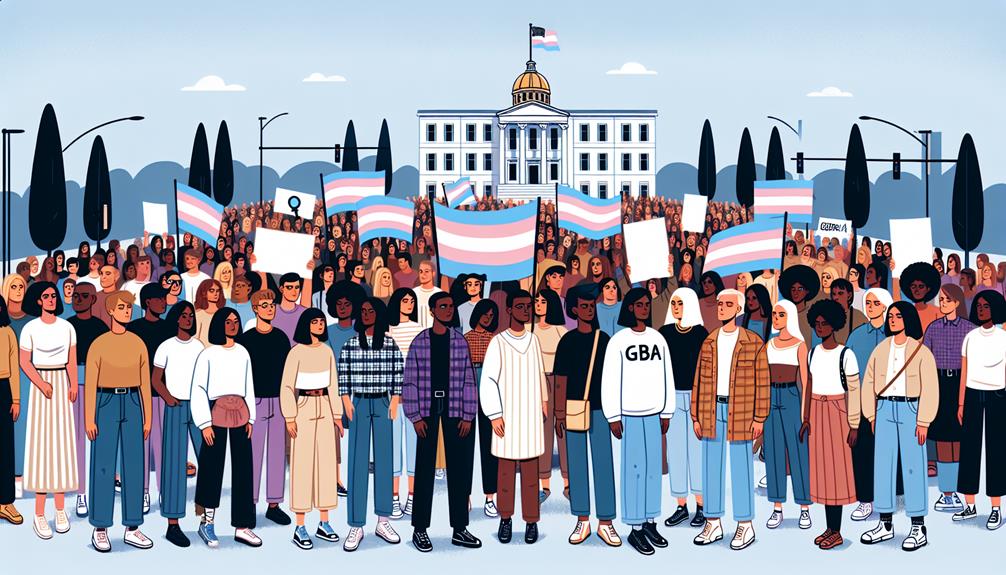
Minnesota Transgender State of Affairs

Legislative progress for transgender rights has seen a significant milestone with the passing of a bill in the Minnesota House, establishing the state as a ‘trans refuge’ and aiming to protect the rights and access to gender-affirming health care for transgender individuals.
The bill, passed with a 68-62 vote, marks a crucial step forward in safeguarding the rights of the transgender community. Supported by Rep. Leigh Finke, the bill aims to prevent out-of-state laws from interfering in gender-affirming health care and emphasizes the importance of creating a safe space for transgender individuals.
It addresses concerns about parental rights in providing medically necessary health care, including prohibiting enforcement of court orders for the removal of a child.
The passage of this bill is crucial for establishing legal protections and creating a safe space for the transgender community. Anti-trans laws in other states have led to individuals being forced to move to access gender-affirming health care, contributing to health disparities and discriminatory treatment.
The bill’s passage would establish Minnesota as a trans refuge state, providing legal protections for trans individuals seeking gender-affirming health care and aiming to create more space for the trans community to live authentically and without fear.
Amid the legislative progress for transgender rights in Minnesota, the focus now shifts to examining the healthcare access and challenges faced by transgender individuals in the state.
Access to gender-affirming care is a critical component of healthcare for trans people. Gender-affirming health care encompasses a wide range of medical interventions, including puberty blockers, hormones, voice therapy, and surgeries, all of which are essential for the well-being of transgender individuals.
The provisions of the bill in Minnesota aim to protect the rights of trans youth to access gender-affirming care, ensuring a safe and inclusive environment. This is particularly significant in light of the discriminatory treatment and fear experienced by the transgender community due to anti-trans laws in other states.
The passage of this bill is crucial for establishing legal protections and ensuring the well-being of transgender individuals in Minnesota. It’s supported by medical societies and evidence-based research, highlighting the importance of healthcare access in upholding trans rights and affirming the gender identity of all individuals.
Representation and visibility in media play a crucial role in shaping public perceptions and understanding of transgender individuals. In Minnesota, as in many other places, the media’s portrayal of transgender people has a significant impact on how they’re perceived by society. Here are three key points to consider when it comes to representation and visibility in media:
In light of the challenges faced by transgender individuals in Minnesota, the ongoing discrimination and violence against this community demand immediate attention and concerted efforts to address these pressing issues.
Hate crimes targeting transgender individuals continue to be a significant concern in the state, and discrimination in areas such as housing, employment, and access to public accommodations remains a pervasive problem. Many transgender individuals report feeling unsafe and experiencing harassment and violence in their daily lives.
Furthermore, the lack of inclusive state laws and policies often contributes to the marginalization of transgender individuals, particularly in accessing gender-affirming care and health services. It’s crucial for the state to take decisive action to address ongoing discrimination and violence, including implementing measures to ensure equal protection and opportunities for all individuals, regardless of their gender identity.
Additionally, there’s a need for comprehensive child protection action to safeguard transgender youth from discrimination and violence, creating a safer and more inclusive environment for all members of the community.
Advocating for and supporting the transgender community in Minnesota requires proactive measures to ensure equal rights and access to vital resources. The state’s advocacy and support for the transgender community are crucial, especially in the realm of gender-affirming health care.
Here’s what’s happening in Minnesota:
The transgender protection bill in Minnesota is a crucial piece of legislation aimed at providing discrimination protections, legal recognition, and healthcare access for transgender individuals.
It seeks to establish equality legislation, promote social acceptance, and advance advocacy efforts for gender identity rights.
If passed, this bill will have a significant policy impact, creating a safe and inclusive environment for the transgender community.
The transgender representative for Minnesota is Rep. Leigh Finke, a staunch advocate for gender-affirming healthcare and civil rights. Their legislative advocacy has a profound political impact, promoting identity recognition and combating employment discrimination.
Their efforts aim to foster public perception and social acceptance, while ensuring community support and healthcare access for transgender individuals. This representation is vital for advancing the rights and well-being of the transgender community in Minnesota.
Minnesota HF 146 is a bill aimed at establishing legal protections for transgender individuals. The bill focuses on several key areas, including gender recognition, name change, identity documents, and discrimination protections in public accommodations. It seeks to ensure access to gender-affirming health care and prevent out-of-state laws from interfering.
The bill has garnered support from Representative Leigh Finke, who believes that its passage would create a culture of fearlessness for the transgender community and help reduce health disparities. However, for the bill to become law, it requires a vote and gubernatorial signature.
To legally change gender in Minnesota, individuals must petition the district court, complete a background check, and attend a hearing. They need a medical professional’s sworn statement and court order for the gender change.
Minnesota allows gender marker amendments on driver’s licenses and birth certificates. The process ensures privacy and protection while affirming gender identity.
Legal resources help individuals navigate the complex procedures for name change, social security, driver’s license, birth certificate, and passport updates.
As Minnesota works towards becoming a ‘trans refuge’ state, the bill supported by Rep. Leigh Finke aims to protect transgender individuals from out-of-state laws and ensure access to gender-affirming healthcare.
With ongoing discrimination and violence, representation in media, and healthcare challenges, the transgender community continues to advocate for their rights.
Minnesota’s legislative progress and support for the transgender community signal a commitment to creating a safe and inclusive space for all individuals.

 Featured PostsSeptember 5, 2026Administration Move Targets Trans Visibility
 Featured PostsAugust 27, 2026Transgender Identity: Ancient Roots and Modern Understanding
 Featured PostsAugust 27, 2026What Does Non-Binary Mean?
 Featured PostsAugust 27, 2026A Guide to Dating a Trans Woman