Colorado’s Highest Court to Hospitals: Ignore Trump, Continue Gender-Affirming Care
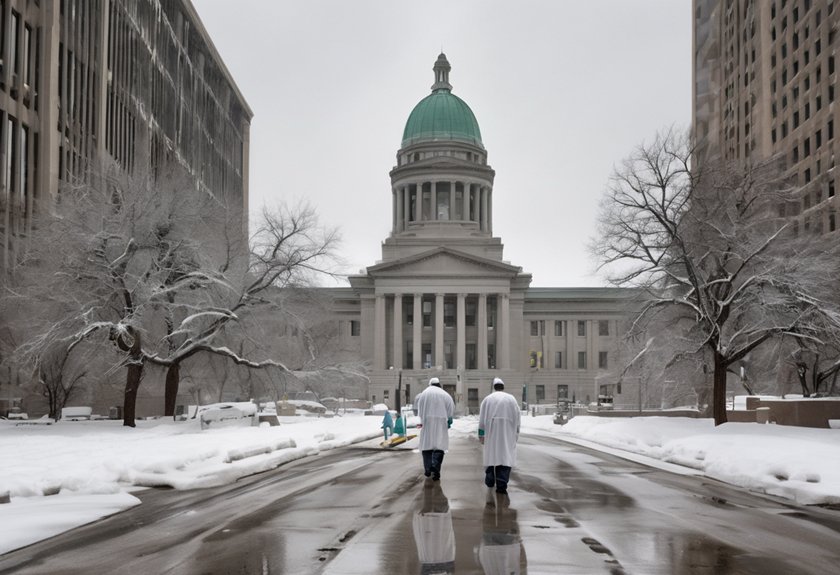
Although a Denver district judge had denied preliminary injunctive relief, the Colorado Supreme Court, in a 5–2 order, directed Children’s Hospital Colorado to resume providing certain medical gender-affirming services to the transgender plaintiffs and to show within two weeks why continued treatment shouldn’t be required under the Colorado Anti-Discrimination Act despite the hospital’s asserted federal Medicaid-funding risk. The ruling sharply reframed the dispute’s Legal implications and its immediate consequences for Patient access, emphasizing that speculative federal enforcement concerns don’t automatically displace state antidiscrimination obligations.
In a 5–2 order, Colorado’s high court prioritized transgender patients’ access over speculative federal Medicaid-funding threats.
The district court had concluded that the plaintiffs were likely to succeed on their CADA claims, yet it withheld interim relief after crediting the hospital’s argument that continued treatment could jeopardize federal Medicaid funding. The Supreme Court’s intervention signaled a different weighting of equities. By compelling treatment now and demanding a prompt justification for any cessation, the justices indicated that ongoing denial of care may constitute cognizable discrimination warranting immediate correction, not merely later damages.
During argument, several justices focused on narrower alternatives the hospital might’ve adopted. They questioned whether current patients could finish treatment while new intakes paused, and they examined the hospital’s continued provision of comparable medications to cisgender patients. That line of inquiry suggested concern with unequal application of medical policies rather than with abstract debates over gender medicine.
The order also imposed an accelerated schedule: two weeks for the hospital to explain why treatment shouldn’t continue, and one week for the plaintiffs to respond. That timetable underscored the court’s view that delay itself can inflict injury. More broadly, the case arose amid litigation over HHS Secretary RFK Jr.’s December declaration, which an Oregon federal judge preliminarily blocked. Even so, Colorado’s high court indicated that asserted federal jeopardy doesn’t, without more, permit a hospital to suspend care in ways that may violate state law.

 Featured PostsSeptember 5, 2026Administration Move Targets Trans Visibility
 Featured PostsAugust 27, 2026Transgender Identity: Ancient Roots and Modern Understanding
 Featured PostsAugust 27, 2026What Does Non-Binary Mean?
 Featured PostsAugust 27, 2026A Guide to Dating a Trans Woman