Transgender Rights Today: The Fight for Equal Treatment and Acceptance
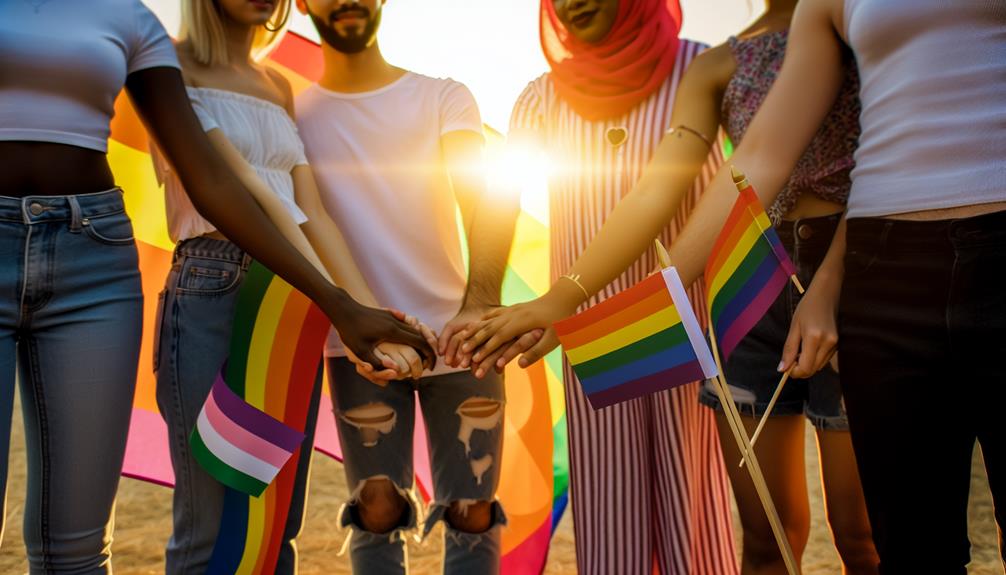
You might wonder why transgender rights are such a significant topic today. It’s about ensuring everyone can live authentically without facing discrimination or harm. Think about access to healthcare, fair treatment in jobs, and the ability to express one’s gender freely—these are just fundamental human rights, right? But the path towards full acceptance and equal rights is filled with challenges and misunderstandings. So, what does the current legislative landscape look like, and how does it affect transgender individuals daily? Let’s delve into this essential issue further.
In the current year, over 100 anti-trans bills have been introduced in the US, reflecting a significant challenge for transgender rights. These bills aim to limit the rights and freedoms of transgender individuals in different ways, from healthcare access to personal identification. You should know that 12 states have already enacted anti-trans legislation, creating real barriers for transgender people.
You might’ve heard about attacks on hospitals providing gender-affirming care, which is critical for many trans individuals. These attacks range from legal challenges to physical threats, making it harder for trans people to get the care they need. It’s also essential to recognize that some politicians use these anti-trans bills for political gain, capitalizing on fear and misinformation to rally support.
Understanding this legislative landscape helps you see the broader context of these challenges. These laws don’t just affect adults; they often target young trans people, making their lives even more difficult.
It’s vital to stay informed and support policies that protect and uplift the transgender community. By doing so, you can help create a more inclusive and understanding society for everyone.
When considering trans athletes in sports, keep in mind that many states have introduced laws targeting trans athletes, especially in youth sports. These laws are based on the fear of unfair advantage, but it’s crucial to understand the facts before forming an opinion.
The International Olympic Committee has guidelines for trans athletes, ensuring fair competition while respecting athletes’ identities. These guidelines are developed with extensive research and expert input. Yet, state legislators often bypass this expertise, leading to inconsistent and sometimes absurd policies.
When you think about trans athletes, sports decisions should be made on a sport-by-sport basis, taking into account the specific needs and contexts of each sport. The goal should be inclusivity and fairness for all athletes.
It’s important to challenge the misconceptions that fuel these legislative actions. Trans athletes don’t have an inherent advantage; they just want to play the sports they love, like anyone else.
Many parents feel uneasy about what schools teach regarding gender identity and expression. It’s important to want the best for your child, and understanding what’s being taught can help ease those concerns. Schools aim to provide accurate information to help all students feel accepted and understood.
| Concern | Clarification |
|---|---|
| Gender identity | It’s about understanding one’s sense of being male, female, or another gender. |
| Gender expression | This is how a person presents their gender through clothing, behavior, and more. |
| Rapid onset gender dysphoria | This concept has been debunked by multiple studies. |
| Sex vs. gender | Sex is biological, while gender is a social and personal identity. |
Accurate education helps debunk myths and reduce misinformation. For instance, some believe in ‘rapid onset gender dysphoria,’ but this has been debunked by experts. Understanding the difference between sex and gender is important, as it clarifies that gender is more about personal identity and less about biological attributes.
Gender affirming care, which includes medical and psychological support, significantly improves the well-being of trans individuals. This type of care can involve hormone therapy, surgeries, counseling, and social support. It’s designed to help trans people align their physical appearance with their gender identity, reducing feelings of dysphoria and enhancing mental health.
This care is crucial for many trans individuals’ mental and physical health, as research shows it reduces anxiety, depression, and suicide rates. By allowing trans people to live more authentic and fulfilling lives, gender affirming care plays a vital role in their overall well-being.
Advocating for gender affirming care involves supporting policies and practices that ensure access to these essential services. It requires promoting inclusive healthcare, educating others on the importance of this care, and standing up against misinformation. Making a difference in this area entails listening to and amplifying trans voices, supporting local trans organizations, and fostering acceptance in your community.
Supporting gender affirming care goes beyond medical procedures; it involves respecting trans individuals’ identities and helping them lead fulfilling lives. By advocating for inclusive policies, you help create a more accepting and compassionate society.
In the face of adversity, hope and progress can shine a light on the path toward inclusivity and equality for trans individuals. You can choose to focus on the strides being made and the positive changes happening. Despite the challenges, there are countless stories of trans individuals finding acceptance and support in their communities.
You can see progress in the increasing number of schools and workplaces that are adopting inclusive policies. These changes don’t just happen overnight; they result from dedicated advocacy and the courage of those who share their stories. You can help by supporting trans rights and speaking out against discrimination whenever you encounter it.
Inclusivity means creating spaces where everyone feels welcome and respected. It’s about listening to trans voices and understanding their experiences. By educating yourself and others, you contribute to a culture that values diversity and equality.
You have the power to make a difference. Advocate for policies that promote equality, support trans-friendly organizations, and show kindness and respect in your daily interactions. Together, we can build a world where hope, progress, and inclusivity thrive, ensuring everyone can live authentically and joyfully.
You might think that being transgender is just a phase or a choice, but it’s not. People often believe that gender identity is tied to biological sex, which isn’t true.
There’s also a misconception that trans people are confused or mentally ill. These beliefs are false and harmful.
Educate yourself on the realities of transgender identities to support and understand trans individuals better.
You can support transgender employees by creating an inclusive workplace. Start with clear non-discrimination policies and provide diversity training.
Use correct names and pronouns, and offer gender-neutral restrooms. Guarantee your health benefits cover gender-affirming care.
Encourage open communication and build a supportive environment where everyone feels valued. By taking these steps, you help foster a positive and respectful workplace for all employees.
There are several mental health resources you can access.
Look into local LGBTQ+ community centers; they often provide counseling or support groups.
Online platforms like The Trevor Project offer chat and phone support.
Many therapists specialize in gender issues, so don’t hesitate to ask for recommendations.
Understanding cultural differences is like sailing through diverse seas, each with unique challenges and opportunities.
You’ll find that some countries welcome diversity and offer robust protections, while others may have restrictive laws and social stigmas.
Understanding these differences helps you advocate effectively and support transgender rights globally.
Stay informed, be empathetic, and push for inclusivity and acceptance wherever you are.
Allies play a vital role in supporting communities by standing up against discrimination and misinformation. You can advocate for inclusive policies, educate others, and offer emotional support.
Your actions amplify the voices that need to be heard, fostering a sense of belonging and acceptance. By being informed and proactive, you help create a safer and more inclusive environment for everyone.
Your support truly makes a difference.
You’ve just taken a whirlwind tour through the crucial world of transgender rights. Imagine a society where every door swings open, welcoming every person, regardless of gender identity.
Picture a world where schools, sports, and healthcare are bursting with inclusivity. By championing these rights, you’re not just supporting individuals; you’re building a vibrant, diverse, and compassionate community.
Let’s keep pushing forward, because every step we take is a giant leap toward true equality and acceptance.

 Featured PostsOctober 21, 2026The Trans Journey to Passing
 Featured PostsOctober 17, 2026From Job Search to Success: A Transgender Woman’s Employment Journey
 Activism and ChangeOctober 17, 2026Trans Rights at Risk? The Implications of a Trump 2024 Win
 Featured PostsOctober 17, 2026One Step Closer: Trans and Passing