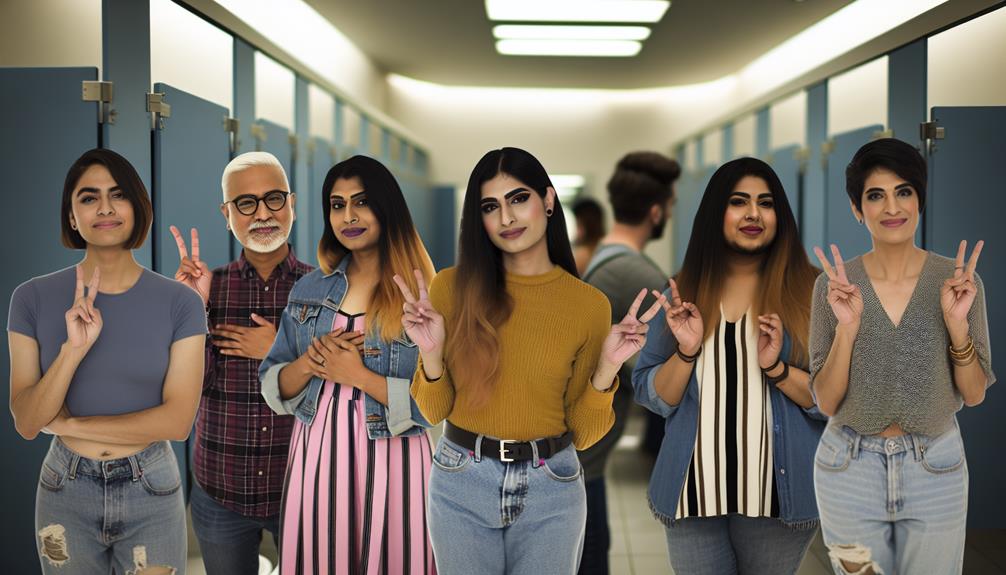
Love Unboxed: the Journey of Being With a Transgender Partner

Love Unboxed: The Journey of Being with a Transgender Partner invites readers into the often uncharted territory of relationships with transgender individuals. As society continues to evolve and embrace diversity, understanding the experiences of individuals in these relationships is essential.
Understanding and consistently supporting a transgender partner is crucial for fostering a healthy and affirming relationship. It’s essential to recognize that the first time a person comes out as transgender can be a deeply emotional and vulnerable experience. Mental health and well-being are particularly significant during this period.
Research has shown that within the first two years of coming out, trans people often face increased risk of anxiety, depression, and suicidal ideation. Therefore, providing unwavering support and understanding is paramount.
When it comes to supporting a transgender woman, it’s vital to acknowledge and validate her gender identity, affirm her experiences, and prioritize her mental health. Creating a safe space for open communication and actively listening to her needs fosters trust and strengthens the relationship.
Additionally, being a supportive ally involves educating oneself about the challenges that transgender individuals encounter in society and within relationships. By advocating for LGBTQ+ rights and challenging societal misconceptions, partners can work together to create a more inclusive and affirming environment.
Navigating relationships with transgender individuals requires creating a supportive and affirming environment while advocating for their rights and acceptance, building upon the foundations of understanding and consistently supporting a transgender partner.
Understanding and supporting their journey of self-discovery and transition is fundamental for a healthy relationship. It’s crucial to communicate openly and respect their identity and pronouns, fostering a safe and loving environment.
Being prepared to face societal judgment and discrimination together is part of being in a relationship with a transgender individual. Building a strong support system and advocating for their rights and acceptance is key in navigating relationships with transgender individuals.
This journey involves embracing their authenticity, challenging societal misconceptions, and promoting self-identity and acceptance. It’s also important to acknowledge the discrimination faced by transgender individuals in relationships and the struggles they encounter during their transition, while finding happiness and fulfillment in being true to themselves and fostering a loving and accepting family environment.
When considering dating a transgender individual, it’s important to acknowledge the potential societal judgment and criticism that may accompany such relationships.
Society often imposes unfair scrutiny and discrimination on transgender individuals and their partners. This can lead to feelings of isolation and stress within the relationship.
Family acceptance can also present a challenge, as not all families may be understanding or supportive of a partner’s decision to date a transgender individual.
Additionally, transgender individuals themselves may experience personal struggles and mental health challenges during their transition, which can impact the dynamics of the relationship.
Building a strong support system and open communication are crucial in dating transgender individuals. It’s essential to approach the relationship with empathy, understanding, and a willingness to stand against societal prejudices.
While love and connection are at the core of any relationship, it’s important to be aware of the potential risks and considerations that may arise when dating a transgender individual.
Fostering inclusivity and acceptance in society begins with promoting empathy, education, and a commitment to equality for all individuals, regardless of their sexual orientations and gender identities. It’s about understanding and acknowledging the unique struggles of transgender individuals, and creating an environment where they feel respected and valued.
Here are a few ways to foster inclusivity and acceptance:
Fostering inclusivity and acceptance is a collective effort that requires compassion, understanding, and a willingness to stand up for equality.
Empowering transgender partners and their allies involves fostering understanding and open communication, creating a strong support system to navigate discrimination and judgment from society, and advocating for transgender rights to challenge societal misconceptions.
By promoting understanding and open communication, individuals can create an environment where transgender partners feel valued, heard, and supported. This includes actively listening to their experiences, concerns, and needs, and working together to address any challenges that may arise.
Building a strong support system is crucial for both transgender partners and their allies. This can involve seeking out resources such as support groups, counseling services, and educational materials to gain a deeper understanding of the transgender experience and to navigate any discrimination or prejudice that may be encountered. Allies play a pivotal role in providing unwavering support, standing up against discrimination, and amplifying the voices of transgender individuals in their communities.
Additionally, advocating for transgender rights is essential in challenging societal misconceptions and promoting inclusivity. This can encompass participating in activism, supporting policy changes, and educating others on the importance of respecting and affirming transgender individuals.
Empowerment comes from actively working to create a more accepting and equitable society for transgender partners and their allies.
Being in a relationship with a trans person means you are dating someone who identifies with a gender different from the one they were assigned at birth. Like any relationship, it’s built on mutual respect, love, and understanding. It’s important to recognize that being trans is just one part of your partner’s identity and doesn’t define your entire relationship.
Support can come in many forms. Listening to your partner and understanding their needs is fundamental. Educate yourself about transgender issues to better empathize with their experiences. Use their chosen name and pronouns, offer emotional support during their transition (if they are transitioning), and stand up against transphobia. Remember, the most powerful support is accepting and loving them for who they are.
Transitioning is a significant life event that can bring changes to any relationship. Your partner may experience shifts in their physical appearance, emotions, and social interactions. Open communication is crucial. Discuss each other’s feelings, expectations, and how you can navigate these changes together. It’s also a journey of growth and deepening understanding between you two.
Facing societal judgment and transphobia can be challenging. It’s important to build a strong support system with friends, family, or groups who understand and support LGBTQ+ relationships. Educate those around you when safe to do so. Prioritize your and your partner’s safety and well-being, and seek out supportive communities who can offer advice and solidarity.
Intimacy is a personal and unique aspect of any relationship, including relationships with a trans person. Communication is key. Discuss comfort levels, boundaries, and desires openly and respectfully. Understand that your partner’s comfort with their body may vary, and be patient and supportive as you both navigate intimacy together.
Educating yourself is essential. Read books, watch documentaries, and explore reputable online resources about transgender experiences and issues. However, remember that every trans person’s journey is unique. Engage in open and honest conversations with your partner about their feelings and experiences, always respecting their boundaries regarding what they wish to share.
Supporting a partner who hasn’t come out yet involves respecting their privacy and decisions about coming out. Encourage them and offer reassurance, but also let them set the pace. Be a confidential source of support they can trust and rely on as they make decisions about coming out.
“Normal” is subjective and often reflects societal expectations. Any relationship that is based on mutual respect, love, and support is healthy and valid. Focus on building a relationship that works for both of you, rather than fitting into a conventional mold.
It’s okay to have mixed emotions about your partner’s transition. Acknowledge your feelings and consider seeking support from a therapist or support groups for partners of trans people. Openly discussing your feelings with your partner, while maintaining respect for their identity, can also help navigate these waters together.
Prepare for a range of reactions and plan how to address them together. It may help to educate your family about transgender issues and share your partner’s (and your own) feelings and experiences. Remember, acceptance may take time. Support each other and seek external support if needed.
Depending on your location, you may encounter legal challenges related to identification documents, marriage, and parental rights. It’s important to research and understand the laws in your area. Seeking advice from legal professionals familiar with LGBTQ+ issues can be helpful.
Being part of the LGBTQ+ community can offer a sense of belonging, understanding, and support for both you and your partner. However, involvement is a personal choice. Some find community engagement empowering, while others prefer privacy. Respect each other’s preferences and explore involvement at your own pace.
Gender identity can be fluid for some people. Maintaining open communication, flexibility, and support is key. Embrace your partner’s journey of self-discovery, and be open to learning and adapting together.
Discuss your aspirations, concerns, and practical matters openly. Planning for the future may involve considerations around transitioning, career, family, and legal matters. Working together to navigate these discussions can strengthen your relationship and help you build a shared vision for the future.
As the stories in ‘Love Unboxed’ unfold, the complexities and beauty of love with a transgender partner come to light. Through the challenges and victories, the narratives offer a glimpse into the resilience and joy found within these relationships.
By fostering understanding and acceptance, this collection provides a platform for dialogue and promotes inclusivity in love and companionship. Love Unboxed invites readers to explore the depth and richness of these relationships, challenging stereotypes and embracing the profound connections found within.

 Activism and ChangeJanuary 17, 2026How Many Trans People Have Moved From Red States to Blue States and What States Are They Moving To?
 Activism and ChangeJanuary 17, 2026Barriers and Boundaries: The New Reality for the Transgender Rights Movement
 News and AdvocacyJanuary 16, 2026Ideological Clash: Musk Threatens Custody Suit After St. Clair’s Transgender Support
 Transgender BasicsJanuary 16, 2026Navigating Public Restrooms: A Guide for Trans Individuals