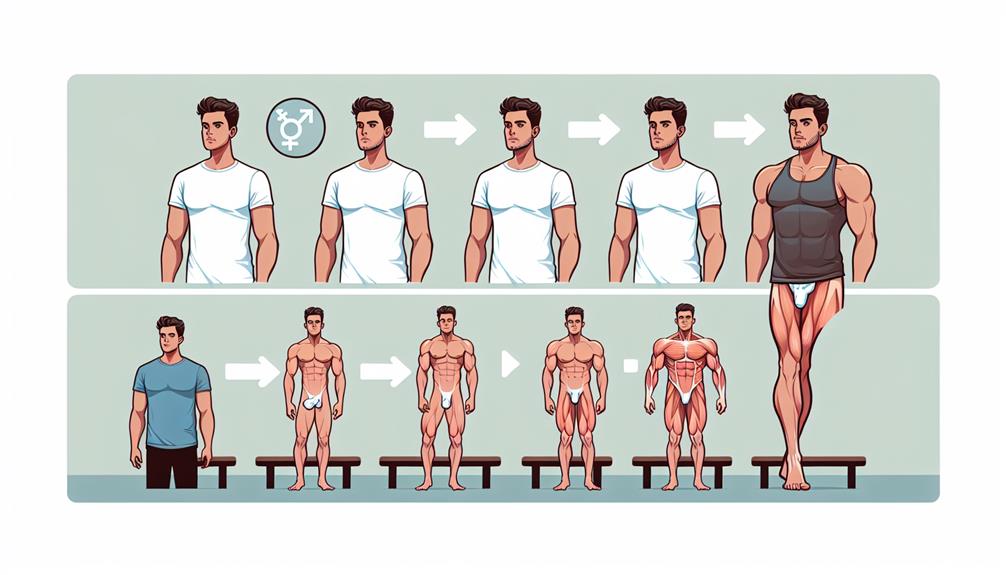
Becoming Me: Navigating Transgender Puberty

An estimated 50% of transgender individuals experience symptoms of gender dysphoria during puberty, highlighting the significant impact this period can have on their well-being. Understanding the complexities of transgender puberty is crucial for creating a supportive environment that fosters self-discovery and acceptance.
As hormonal changes occur, the challenges and experiences faced by transgender youth may vary, making it essential to explore the ways in which medical interventions and social support systems can positively influence their journey.
By addressing the unique needs of transgender individuals during puberty, society can offer invaluable resources that pave the way for a more inclusive and understanding future.
Hormone therapy plays a crucial role in aligning secondary sex characteristics with gender identity during transgender puberty. For adolescents experiencing gender dysphoria, hormone therapy offers a way to transition physically to align with their true gender identity. Testosterone therapy, for instance, can promote characteristics like facial hair growth and deepening of the voice in transgender males. On the other hand, estrogen therapy aids in the development of features such as breast growth and redistribution of body fat in transgender females. These changes can have a profound impact on the individual's sense of self and well-being during puberty.
It's important to note that the effects of hormone therapy on transgender puberty are reversible to some extent. This reversibility allows individuals the flexibility to explore their gender identity and make informed decisions about their transition. While hormone therapy can lead to emotional changes, altered body composition, and shifts in libido, it serves as a vital tool in helping transgender individuals navigate the challenges of puberty and affirm their gender identity.
Navigating social transition challenges during puberty can be a complex and impactful journey for transgender youth. Here are some key points to consider:
Support systems, like parents and counselors, are essential for affirming the gender identity of transgender youth during puberty. Trusted adults play a crucial role in providing guidance and support to transgender individuals as they navigate the complexities of puberty, especially when faced with a disconnect between their gender identity and physical changes. Creating inclusive and supportive environments at home is paramount in reducing mental health disparaties and promoting the overall well-being of transgender youth during this critical stage of development. Mental health providers also offer valuable assistance to parents and caregivers, helping them understand and address the challenges their transgender children may encounter. Additionally, educators hold a significant responsibility in supporting transgender students by acknowledging and validating their gender identity, fostering safe spaces within school settings. By working together, these support systems contribute to a more positive and affirming experience for transgender youth during puberty.
| Support Systems | Importance |
|---|---|
| Parents and Counselors | Essential for affirming gender identity and providing guidance |
| Trusted Adults | Alleviate anxiety and help navigate mismatch between identity and changes |
| Supportive Environments | Reduce mental health disparaties and promote well-being |
| Mental Health Providers | Support caregivers in understanding and addressing challenges |
| Educators | Create safe and inclusive spaces for transgender students |
During puberty, transgender youth encounter physical changes that may cause distress as these changes may not align with their gender identity. Here's how they can navigate these challenges:
Transgender youth experiencing puberty may find themselves navigating an emotional journey fraught with anxiety and distress stemming from the incongruity between their gender identity and physical changes. During this critical developmental phase, the emotional well-being of transgender adolescents is paramount. Trusted adults such as parents, counselors, or healthcare providers can offer crucial support in affirming the gender identity of transgender individuals. Creating a safe and supportive environment that acknowledges and respects diverse gender identities is essential for the mental health of adolescents going through puberty. Puberty blockers can also play a vital role in assisting transgender youth by pausing the physical changes that might cause emotional distress, allowing time for the individual to explore their gender identity freely. Below is a table summarizing key aspects of the emotional journey of transgender puberty:
| Keywords | Description |
|---|---|
| Blockers | Pause physical changes to alleviate distress during puberty |
| Gender Identity | Mismatch with physical changes can cause emotional turmoil |
| Mental Health | Support and affirmation are crucial for the well-being of transgender youth |
| Adolescents | Guidance and understanding from trusted adults are vital during puberty |
The regret rate for transitioning is estimated to be low, around 1-2%. Factors like appropriate mental health assessments and following established protocols can further reduce this rate.
Social support, access to affirming healthcare, and alignment with one's gender identity play crucial roles in determining regret rates.
Long-term studies show that most individuals undergoing gender-affirming treatments report improved mental health and satisfaction with their transition.
Comprehensive care and support are vital for transgender individuals navigating this process.
When identifying signs of a transgender child, it's essential to pay attention to their persistent desire to be a different gender than assigned at birth. They may reject clothes, toys, or activities typically associated with their assigned gender, express discomfort with their body, and strongly identify with a gender different from their assigned sex. Some may consistently insist they're a different gender over a long period.
Understanding and supporting these signs is crucial in providing care for transgender children.
'Every cloud has a silver lining, but puberty can be a challenging time for individuals experiencing gender dysphoria.
While not solely causing gender dysphoria, puberty can exacerbate the distress and discomfort associated with the incongruence between one's assigned sex at birth and gender identity.
The development of secondary sex characteristics during this phase may intensify feelings of dysphoria in transgender individuals.
Supportive interventions are crucial to navigating these complexities.'
The best age to transition from male to female (MTF) varies, but starting hormone therapy around Tanner stage 2-3, typically at ages 12-14, is commonly recommended. Initiating the process earlier can prevent irreversible changes linked to male puberty, like voice deepening and facial hair growth.
Transitioning at a younger age may lead to better physical outcomes and improved mental well-being. Individual needs and circumstances play a crucial role in determining the optimal age for MTF transition.
In navigating the emotional journey of transgender puberty, support systems play a crucial role. Just like a compass guiding a traveler through uncharted territory, these systems provide direction and comfort during times of uncertainty.
Hormone therapy and social transitions can have profound effects on this journey, shaping the path ahead. Remember, with the right support and resources, individuals can embrace their true selves and navigate the challenges of puberty with courage and resilience.

 Featured PostsOctober 21, 2026The Trans Journey to Passing
 Activism and ChangeOctober 17, 2026Trans Rights at Risk? The Implications of a Trump 2024 Win
 Featured PostsOctober 17, 2026One Step Closer: Trans and Passing
 Featured PostsOctober 14, 2026Navigating Manhood: The Challenges FTM Individuals Face