A Kansas Law Voided 1,700 Licenses. Now Judges Must Decide Whether It Stands
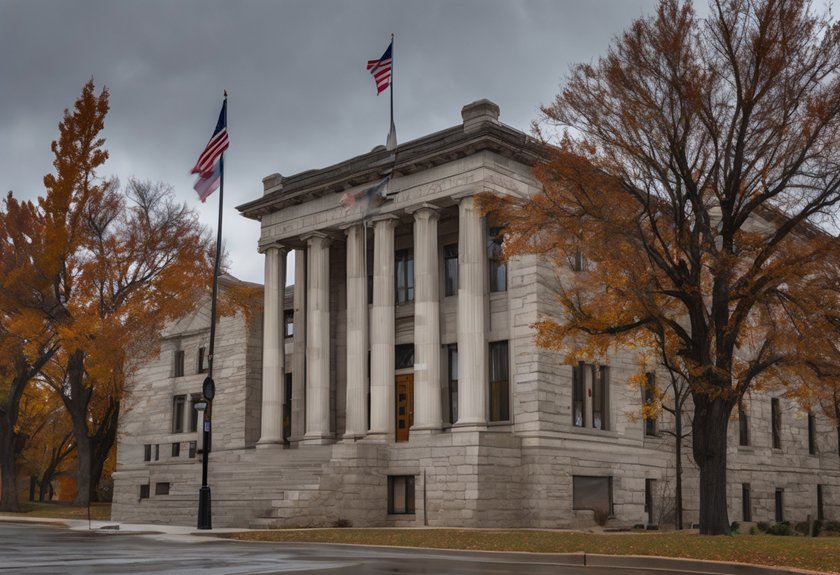
As Kansas moves to enforce a 2026 law that would invalidate driver’s licenses for roughly 1,700 transgender residents whose gender markers don’t match their sex assigned at birth, the measure is heading to court amid a rights-based challenge backed by the ACLU of Kansas.
The case centers on legal implications that reach beyond identification documents, raising urgent questions about bodily autonomy, privacy, equal protection, and whether the state can force transgender people into inaccurate legal classifications. Advocates say the social impact is immediate and severe, because a voided license can disrupt travel, employment, housing access, and everyday safety.
The lawsuit argues SB 244 doesn’t simply regulate paperwork; it strips people of dignity and exposes them to discrimination in routine interactions. By requiring government-issued identification to conflict with a person’s lived identity, the law can invite harassment, outing, and denial of services.
Attorneys challenging the statute contend Kansas is imposing a policy that targets a specific group for unequal treatment, violating core constitutional protections. A preliminary injunction hearing is set for September 29, 2026, when advocates will ask the court to block enforcement before deeper harm takes hold.
The law’s reach extends beyond licenses. It also bars transgender people from using restrooms in government buildings that align with their gender identity, while creating potential civil and criminal liability.
Critics say that combination magnifies fear and instability for transgender residents and their families, who already navigate stigma and heightened scrutiny. Court proceedings are expected to detail the psychological strain, social isolation, and practical barriers the law creates.
For affected Kansans, the lawsuit is about more than policy; it’s about whether the state will be held accountable for measures that jeopardize safety, equality, and basic recognition under law today.

 Featured PostsSeptember 29, 2026A Kansas Law Voided 1,700 Licenses. Now Judges Must Decide Whether It Stands
 Featured PostsSeptember 29, 2026The First Time I Realised My Body Was Changing
 Featured PostsSeptember 28, 2026Staying Together After a Partner Comes Out as Trans
 Featured PostsSeptember 26, 2026Navigating Intimacy: A Trans Woman’s Path to Authentic Dating Experiences