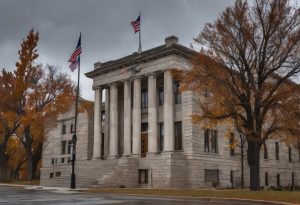
Judge Blocks “Nakedly Hateful” Ban on LGBTQ+ Student Groups
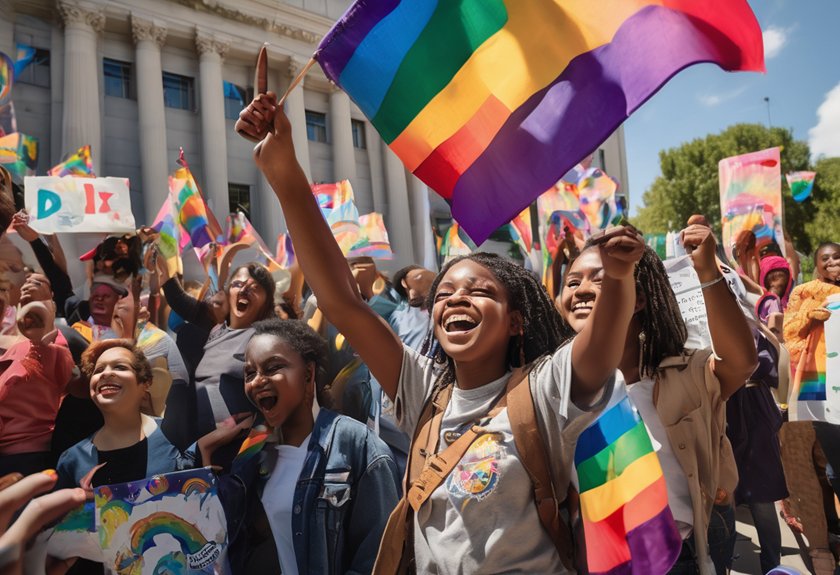
In a decisive ruling, a court has struck down a law that banned LGBTQ+ student clubs, labeling it as “nakedly hateful” and detrimental to student rights. The decision underscores that LGBTQ+ students are entitled to form clubs under the federal Equal Access Act, which guarantees equal access to student organizations. This judgment is seen as a vital step toward fostering inclusive education, where diverse student voices can be heard and respected.
The court’s decision highlighted the harmful impact the law had on student rights, particularly for LGBTQ+ youth who rely on these clubs for safety and support. Personal testimonies from affected students illustrated how the ban undermined fundamental support systems. By dismissing the law, the court reinforced the notion that schools must be places of inclusivity and acceptance, where all students have the opportunity to express themselves freely.
The court’s decision ensures schools remain inclusive spaces where LGBTQ+ youth find essential support and freedom of expression.
Advocates for LGBTQ+ rights have hailed this ruling as a significant victory in the ongoing battle against discriminatory legislation. It emphasizes the importance of safe spaces within educational environments, making certain that marginalized communities can thrive without fear of exclusion or prejudice.
The decision also sets a legal precedent, reinforcing the protections offered by the Equal Access Act and serving as a deterrent against future attempts to limit student rights. This legal action reflects broader societal efforts to combat anti-LGBTQ+ measures and promote acceptance within schools.

 Featured PostsOctober 21, 2026The Trans Journey to Passing
 Featured PostsOctober 17, 2026One Step Closer: Trans and Passing
 Featured PostsOctober 14, 2026Navigating Manhood: The Challenges FTM Individuals Face
 Activism and ChangeOctober 14, 2026I’m I7 and Male, I Don’t Know Whether or Not I am a Trans Girl