The Testosterone Effect: Understanding Your Body's Transition
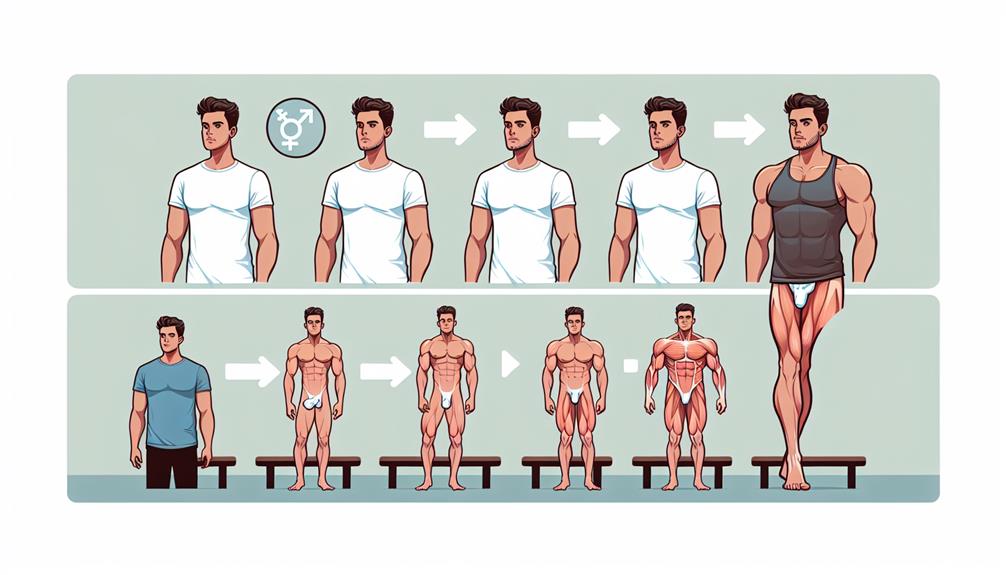
Navigating the changes that come with transitioning to a male body can be both exhilarating and challenging. While taking the journey towards embracing one's true self, it's crucial to understand the significant impact of testosterone on the body.
From physical alterations like muscle growth and fat redistribution to emotional shifts in mood and expression, the effects of masculinizing hormone therapy are multifaceted. For individuals considering or undergoing this transition, understanding these changes is key to managing expectations and ensuring a smooth and well-supported process.
But what exactly are the emotional and physical changes that can arise from testosterone, and how can individuals navigate them effectively?
During the transition to testosterone, individuals may experience a range of emotional changes, including feelings of joy, detachment, and increased irritability.
Testosterone, as part of gender affirming hormone therapy, not only brings about physical effects but also has a significant impact on emotional state and mental health.
For transgender men, starting testosterone can lead to a mix of emotions, including gender euphoria, decreased depression, and anxiety, as well as an increased sex drive and better self-esteem. However, it's important to note that increased irritability or quick reactions may occur initially, but these effects tend to improve over time.
The roller coaster of emotions during this transition period is a normal part of the process, and with the support of mental health professionals, individuals can navigate these changes more effectively.
Additionally, transitioning allows for a more authentic experience of emotions, and while the relationship between testosterone and tear production isn't entirely clear, some research suggests a link.
As individuals settle into their hormone therapy, they can expect their emotional state to stabilize, providing a more balanced and affirming experience.
Navigating the emotional impact of testosterone transition can be supported by understanding the overview of masculinizing hormone therapy. For individuals undergoing gender affirming hormone therapy, particularly trans men, testosterone therapy plays a pivotal role in their gender transition. Here's what you need to know:
Understanding the overview of masculinizing hormone therapy can empower transgender healthcare and gender non-conforming people to make informed decisions while undergoing this significant aspect of their gender transition.
The physical changes brought about by hormone replacement therapy (HRT) can significantly impact an individual's body transition, encompassing alterations in skin texture, body fat distribution, and facial hair development. Hormone therapy, particularly in masculinizing gender affirming care, can lead to thicker and oilier skin, larger pores, and increased acne due to elevated levels of testosterone.
Body fat distribution may shift, resulting in a more masculine pattern, while facial hair growth may occur. In addition, muscle mass and strength may increase, and there could be changes in weight, vocal chords, and body hair thickness and growth rate.
It's important to note that while these changes can affirm one's gender identity, individuals taking hormone therapy may also experience side effects, including emotional changes, altered interests, a narrower range of emotions, and fluctuating libido and sexual pleasure.
Understanding the physical and emotional effects of hormone therapy is crucial for individuals' overall health and well-being during the process of transitioning.
Physical changes from testosterone can significantly impact an individual's body, including alterations in skin texture, body fat distribution, and the development of facial hair. When undergoing gender-affirming hormone therapy, these changes are part of the development of secondary sex characteristics. Here are some important physical changes that may occur from testosterone:
As these changes take place, it's essential to adapt skin care practices to accommodate the effects of hormone therapy. Understanding the physical changes from testosterone can help individuals prepare for and embrace the transformation their bodies will undergo.
Adapting your skincare routine to accommodate changes in skin texture and oil production is essential for managing the physical effects of testosterone-induced changes.
With the increase in oil production, thicker and oilier skin, and larger pores, it's crucial to adjust your skincare regimen. Regular cleansing and the use of non-comedogenic products can help manage acne development, along with seeking advice from dermatological professionals for potential medical treatments.
Additionally, engaging in regular exercise and maintaining a balanced diet can assist in managing changes in body fat distribution and muscle mass. For those experiencing frontal scalp hair thinning and male-pattern baldness, seeking professional advice is recommended. Exploring hair removal options can also help manage varying degrees of facial hair development.
It's essential for individuals undergoing hormone therapy as part of the transition process, such as transgender individuals, to monitor hormone levels and seek medical guidance. Being proactive in managing testosterone-induced physical changes can help individuals navigate the transition process with confidence and comfort.
Testosterone has three main effects on the body: it increases muscle mass, promotes hair growth, and stimulates the production of red blood cells.
These effects play a crucial role in maintaining overall health and vitality. Regular exercise can help optimize these effects by enhancing muscle development and promoting overall well-being.
It's important to consult a healthcare professional before making any significant changes to hormone levels or starting a new exercise regimen.
Yes, testosterone can mess with emotions. It may cause mood swings, increased confidence, and heightened sex drive.
Over time, emotions can stabilize, leading to feelings of joy and gender euphoria.
It's important to note that existing mental health conditions can be affected, potentially worsening depression and anxiety. Seeking support from mental health professionals is crucial.
It's a journey with emotional ups and downs, but ultimately, many individuals find a sense of well-being and increased self-esteem.
Taking testosterone can lead to permanent physical changes such as:
Facial changes may include:
Testosterone can also result in:
These changes are part of the physical transition that individuals may experience when taking testosterone.
Testosterone affects various aspects of life. It influences physical changes like thicker skin, body fat redistribution, and facial hair development. Muscle mass and strength can increase, along with changes in vocal chords and body hair.
Emotionally, it can bring a roller coaster of emotions and changes in interests. Libido, sexual pleasure, and the reproductive system are also impacted.
In conclusion, understanding the effects of testosterone on the body's transition is crucial for individuals undergoing masculinizing hormone therapy.
Did you know that approximately 80% of people who undergo testosterone therapy experience changes in their emotional expression?
By working closely with healthcare providers and seeking support, individuals can navigate the physical, emotional, and sexual changes with confidence and knowledge.
Remember, you're not alone in this journey.

 News and AdvocacyAugust 21, 2026Trump Administration Granted Access to Trans Patients’ Records by Court
 Fashion and ExpressionAugust 13, 2026Facial Feminization With Makeup: Mastering the Art
 Fashion and ExpressionAugust 13, 2026The Dual Life: Exploring the Desires, Meanings, and Identity Behind Male Cross-Dressing
 Featured PostsAugust 12, 2026The Bright Side of Being: Exploring Gender Euphoria