Seeking Asylum: Protecting Transgender Lives Amid U.S. Discrimination

Imagine facing constant threats just for being who you are. For many transgender individuals in the U.S., this is a harsh reality. Discrimination and violence are on the rise, leaving many to seek safety elsewhere. You may question how other countries are stepping in to help. There’s more to investigate about how these nations offer hope and refuge. What does it mean for a country to truly provide a safe haven?
Although the challenges for transgender individuals in the U.S. have been present for years, the threats have intensified considerably in recent times. You might notice increased transgender discrimination, where unfair treatment affects daily life. This discrimination can involve denying medical care or facing obstacles when trying to change legal documents. You may also recognize the systemic violence that targets transgender people. This isn’t just physical harm; it includes harmful laws and policies that make life harder. When schools, workplaces, and public spaces become hostile, it’s difficult to feel safe. These challenges don’t just affect adults but also young transgender people who deserve support and acceptance. Understanding these threats is essential in addressing and combating the discrimination and violence they face.

As the crisis for transgender individuals in the U.S. worsens, countries around the world are stepping up to offer support and protection. Nations like Canada and Sweden are recognizing the urgency of providing transgender asylum to those facing discrimination. By acknowledging the threats transgender people encounter, these countries are offering a safer place for those who can no longer live freely in the U.S. International recognition of this crisis is vital, as it highlights the need for global cooperation in safeguarding human rights. Some countries are also issuing travel warnings, advising their citizens about the potential risks of traveling to the U.S. This global response underscores the significance of protecting transgender lives and ensuring they have the freedom to live openly and safely.
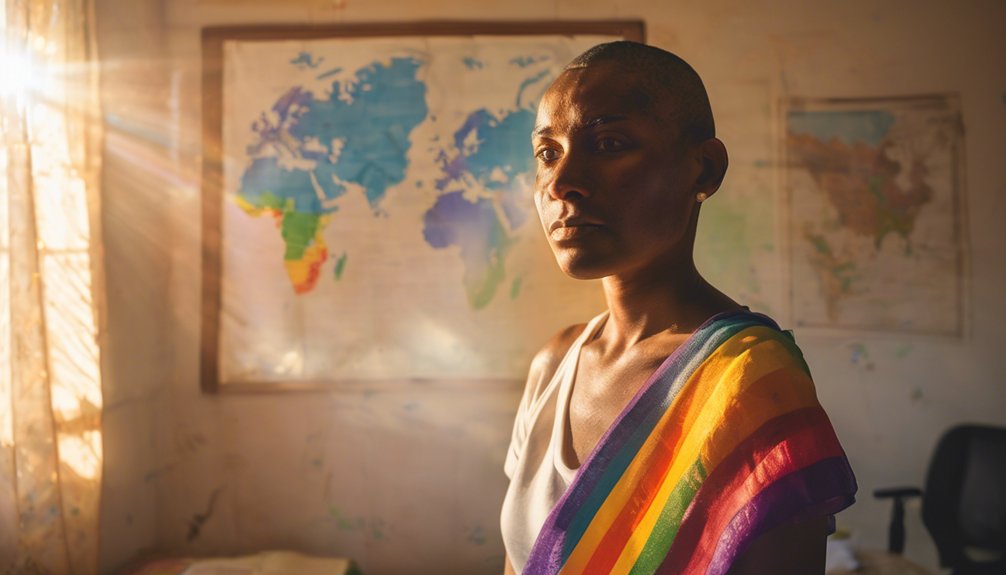
In times of crisis, global solidarity becomes not just significant but vital. You may be curious why it’s essential. When people face danger, like transgender individuals in the U.S., they need support from everyone. Global unity means countries and communities working together to help each other. When we stand together, we’re stronger. Intersectional advocacy is about understanding that people have different needs based on their identities, like being transgender and a person of color. By supporting each other, we can make a big difference. You can help by learning about these issues and telling others. When countries unite and advocate for everyone, it sends a powerful message: everyone deserves safety and respect, no matter who they are or where they’re from.
Finding safe haven as a transgender asylum seeker can seem daunting, but there are viable pathways available. Initially, you need to understand the asylum application process. It requires you to show that you’ve faced or fear persecution based on gender identity. Gathering evidence and telling your story clearly is key. You might face legal challenges, but don’t lose hope. Many organizations offer support and guidance through this complex process.
It’s essential to seek legal advice early on. Lawyers and advocacy groups can help navigate the system, making sure your application is strong. They can also help you prepare for interviews and hearings. Remember, while the expedition may be tough, many have succeeded in finding safety and starting anew.
Safe haven countries play a crucial role in providing refuge for transgender people fleeing discrimination. These countries offer a lifeline through their supportive refugee policies. As a transgender person, you might find safety in countries that value human rights and provide the necessary support for a new start. Here’s how safe haven countries can help:
Finding a safe haven can be the initial step towards a secure future.
You can find mental health resources during relocation by tapping into community support networks. Did you know that 67% of people feel more resilient with a strong community? Connect online with transgender support groups and local LGBTQ+ centers in your new area. They often offer counseling and peer support. Don’t hesitate to use virtual therapy platforms, which provide accessible mental health care no matter where you are. Remember, you’re not alone in this process.
To apply for transgender asylum, you need to gather significant legal evidence and identity verification documents. Start by collecting any records that show your need for protection, such as police reports or medical documents. Also, make sure your identity documents, like birth certificates or passports, match your gender identity as closely as possible. It’s vital to present a clear and strong case to support your claim for asylum.
You’re looking for help in seeking asylum as a transgender person. There are advocacy groups and asylum resources to support you. Organizations like the Transgender Law Center and Rainbow Railroad offer guidance and assistance through the asylum process. They provide legal advice, connect you with resources, and advocate for your rights. Don’t hesitate to reach out to these groups—they’re dedicated to helping you find a safe and supportive environment.
Vital communication can create challenges when you’re maneuvering through a new nation with language barriers. Start by seeking community resources that support cultural adaptation. Many local organizations offer language classes or translation services to help you shift smoothly. Connect with community groups that can provide guidance and support. Remember, embracing the local language and culture not only helps you integrate but also empowers you to build meaningful connections in your new home.
Imagine you’re a gardener nurturing a delicate flower in a storm. That flower represents transgender individuals seeking safety. In the U.S., many face harsh winds of discrimination, but globally, there’s a garden of hope. Countries offering asylum act as protective greenhouses, ensuring these individuals can bloom. For instance, Canada, with its inclusive policies, has seen a rise in transgender asylum seekers. Your support, like sunlight, can help these individuals thrive, emphasizing the power of global solidarity.

 News and AdvocacyJuly 6, 2026Federal Judge Shuts Down Trump Administration’s Push for Trans Kids’ Medical Files
 Featured PostsJuly 3, 2026What Is Gender Affirming Care?
 Featured PostsJuly 3, 2026Connecting the Dots: Often-Overlooked Signs of Being a Trans Woman
 Featured PostsJuly 2, 2026The Big Sister’s Guide: Everything I Wish I Knew at the Start of My Transition