The Dual Life: Exploring the Desires, Meanings, and Identity Behind Male Cross-Dressing

Surveys suggest that about 2% to 5% of men have worn clothing traditionally associated with women at some point, though secrecy may make the true figure higher. You may do so for comfort, self-expression, erotic interest, creativity, or reasons that don’t fit a simple label. Cross-dressing alone doesn’t define your sexuality or gender identity, yet it can carry powerful meaning—especially when it becomes part of a hidden life.
This article explores the multifaceted motivations behind male cross-dressing, emphasizing that wearing feminine clothing is a form of self-expression separate from sexual orientation or gender identity. The text highlights how cultural standards define fashion while noting that many men who dress in this manner identify as cisgender and heterosexual. While usually a harmless personal interest driven by creativity or comfort, the practice can sometimes lead to interpersonal conflict or psychological strain due to social stigma and secrecy. Consequently, the source advocates for open communication and professional support to help individuals navigate their identity without shame. Ultimately, it frames cross-dressing as a valid lifestyle choice that only requires clinical attention if it results in significant functional impairment or emotional distress.
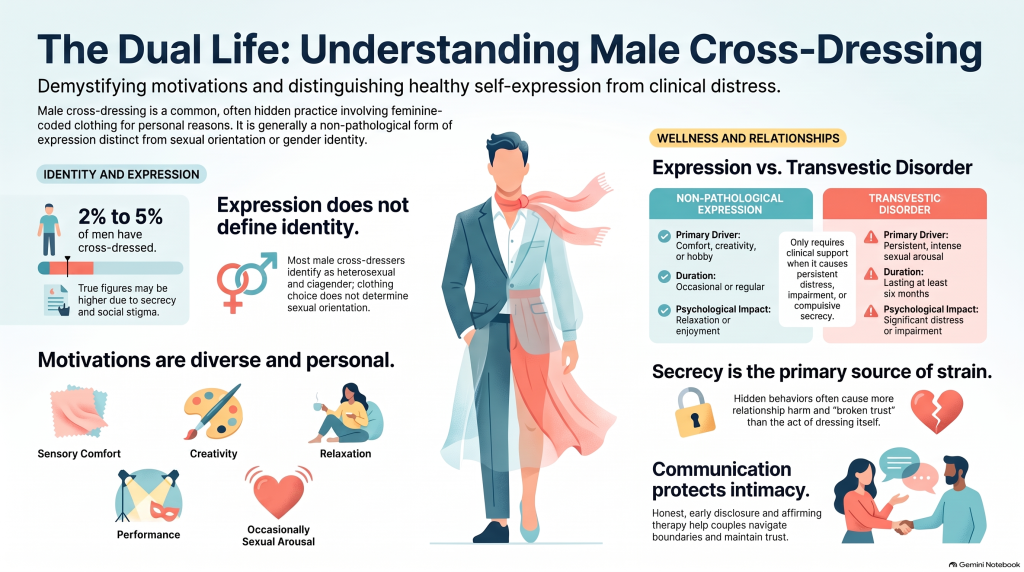
Male cross-dressing generally means wearing clothing or adopting styles traditionally associated with women, such as dresses, makeup, lingerie, or hairstyles. If you cross-dress, your choices may reflect comfort, creativity, emotional regulation, imaginative empathy, or sexual arousal; no single meaning applies to everyone. Historical contexts and cultural symbolism shape which garments people label feminine, so these boundaries vary across places and ages. Cross-dressing alone doesn’t determine your sexual orientation or require a clinical diagnosis. Research indicates that many male cross-dressers identify with their sex assigned at birth, and many are heterosexual, including married men. Clinicians distinguish ordinary cross-dressing from transvestic disorder, which involves persistent arousal linked to cross-dressing alongside significant distress or impairment. You don’t need treatment simply because you enjoy this form of expression; support can help if shame, compulsive patterns, or daily difficulties emerge.
Cross-dressing doesn’t, by itself, reveal your sexual orientation or gender identity. You may identify with the sex assigned at birth, identify as transgender, or hold another identity; clothing alone can’t determine that. Research has found that many male cross-dressers identify as heterosexual, and many have committed relationships.
Your gender expression can reflect comfort, creativity, performance art, or exploration without defining whom you’re attracted to. Cultural context also shapes which clothes people label masculine or feminine, so meanings differ across communities and time. Cross-dressing may affect body image or help you experiment with how you feel seen, but those experiences remain personal. Clinicians don’t treat cross-dressing as a problem unless recurring sexual arousal causes lasting distress or interferes with daily functioning. If it does, supportive therapy can help you understand your needs without judgment.

People cross-dress for many reasons, and no single explanation fits every man. You may investigate femininity through sensory experimentation: fabric, movement, makeup, or a different aesthetic. For some, it’s erotic; for others, it brings comfort, calm, creativity, imaginative empathy, or a chance to embody an admired role. It doesn’t automatically define your gender identity or mean you want to change your social role.
Research suggests these experiences are more commonly reported by men, though stigma likely leads to underreporting. Your reasons can be personal, layered, and valid.
Although cross-dressing is usually a nonpathological form of expression, it may warrant support when it brings persistent shame, disrupts daily life, or creates serious conflict in a relationship. Clinically, transvestic disorder applies only if persistent, intense sexual arousal lasts at least six months and causes significant distress or impairment.
You may struggle when secrecy becomes exhausting, such as repeatedly buying, hiding, or discarding clothing despite unwanted consequences. A hidden disclosure after marriage can leave your partner feeling excluded or betrayed, sometimes interpreted as a marital breach rather than simply private expression. Reactions vary: some partners respond positively, while others experience distress, reduced attraction, or a need for firm boundaries. The central concern isn’t the clothing itself; it’s whether fear, shame, compulsive behavior, or broken trust is harming your wellbeing, daily functioning, or relationship stability.
When shame, secrecy, or conflict begins to outweigh the comfort or enjoyment of dressing, supportive counseling can help you understand what the practice means to you and make choices that protect your wellbeing and relationships.
Clinical guidance treats cross-dressing as nonpathological unless it causes significant distress or impairment. Therapy, peer networks, and communication workshops can reduce shame and support informed, respectful conversations.
Your partner may need time, reassurance, and space; responses vary. Mutual engagement in therapy can help you rebuild intimacy, negotiate agreements, and protect consent.
Cross-dressing can reflect your gender expression without determining your gender identity. You may identify with your birth-assigned gender while enjoying clothing for comfort, creativity, social investigation, or arousal. For others, cross-dressing can help you examine persistent feelings about being another gender. Social perception may create pressure or distress, but clothing alone doesn’t diagnose anything. If these feelings cause impairment or dysphoria, you can seek supportive, affirming professional guidance.
You can call a man who wears clothing traditionally associated with women a cross-dresser. This respectful term describes clothing expression, not necessarily gender identity, sexual orientation, or motivation. Terminology nuances matter: some people may prefer gender-expansive, feminine-presenting, or no label at all. Cultural labels vary and can carry stigma, so you’ll show respect by asking what language someone uses for themselves and avoiding outdated terms like “transvestite” unless they self-identify.
Adults may cross-dress for varied reasons: sexual arousal, comfort, stress relief, curiosity, or gender expression. Psychological triggers can include seeking relaxation, confidence, emotional escape, or connection with an admired aspect of femininity or masculinity. Social influences—privacy, supportive communities, media, relationships, and access to clothing—may affect when you dress. It isn’t inherently a problem; consider professional support if it causes distress, secrecy, conflict, or compulsive behavior.
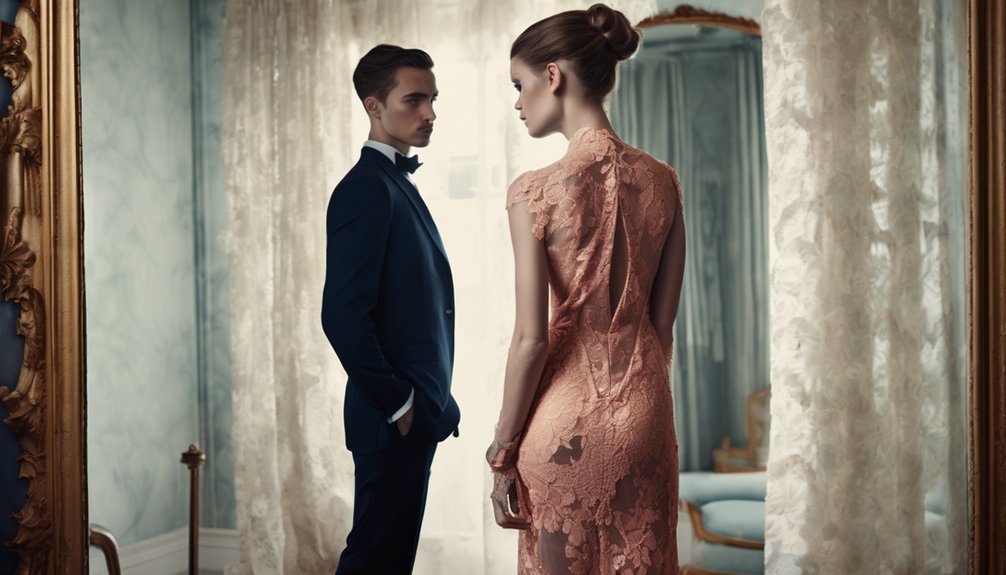
You may experience cross-dressing as a quiet refuge behind a closed door or a vivid form of expression under bright lights. Neither choice alone defines your sexuality, gender identity, or worth. Research and clinical practice support a nonjudgmental view: meaning matters more than clothing. When secrecy brings shame or strains a relationship, honest conversation and affirming therapy can help. You deserve space to investigate safely, communicate clearly, and build relationships grounded in trust.

 Activism and ChangeOctober 14, 2026I’m I7 and Male, I Don’t Know Whether or Not I am a Trans Girl
 Featured PostsOctober 13, 2026Colorado and Michigan Join States Ending Medicaid Coverage for Trans Youth
 Featured PostsOctober 8, 2026From Self-Doubt to Self-Acceptance: Confronting Internalized Transphobia
 Featured PostsOctober 8, 2026Say NO to Props 134 & 135 in Colorado