Federal Court Sides With Transgender Military Personnel in Landmark Case
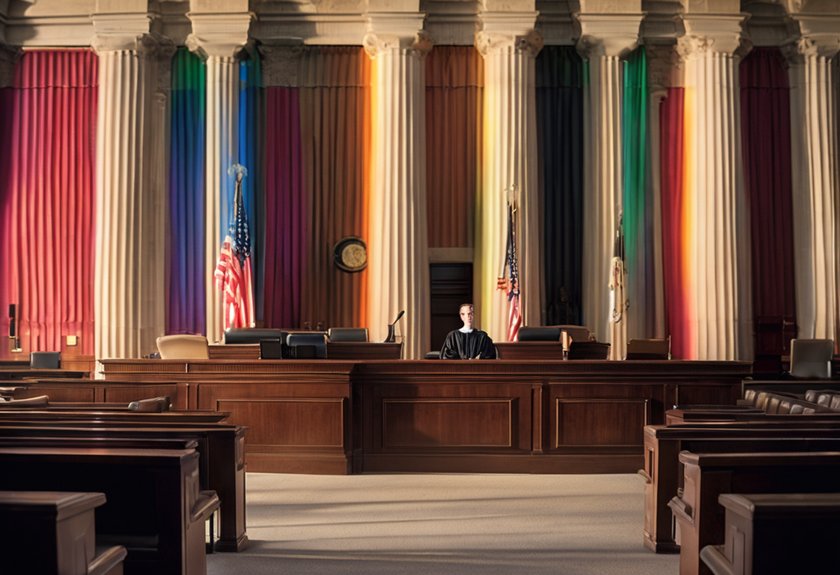
A divided federal appeals panel on Friday pushed back on the administration’s transgender military ban, ruling 2–1 that the policy likely rests on unconstitutional animus rather than a substantiated national-security judgment and barring the discharge of 28 named transgender service members while the case moves forward.
In a closely watched decision, the D.C. Circuit treated transgender service as a constitutional controversy shaped by legal precedent, not simply a matter of military discretion. Judge Robert L. Wilkins, writing for the majority, said the record suggested the policy was “driven by the bare desire to harm a politically unpopular group,” a formulation that placed the case within familiar equal-protection doctrine.
The court’s practical holding was narrower than its rhetoric. It protected 28 currently serving plaintiffs from removal during the litigation, but it stopped short of immediately extending relief to prospective enlistees. That limitation reflected both procedural caution and the fragmented posture of the case.
Even so, the majority emphasized that the plaintiffs’ combined 130-plus years of service and more than 80 commendations sharply undercut the government’s claim that categorical exclusion served national security.
Judge Judith Rogers agreed in part but would’ve gone further, reasoning that prospective recruits also faced concrete exclusion from military opportunity. Judge Justin Walker dissented, arguing that courts shouldn’t second-guess military personnel judgments and warning that the majority exceeded traditional judicial limits. His position echoed longstanding deference principles, but the majority signaled that deference doesn’t erase constitutional review.
The ruling arrives amid a broader legal struggle over the February 2025 Pentagon policy disqualifying people with gender dysphoria and after the Supreme Court allowed the ban to take effect during related appeals. That procedural backdrop makes the decision significant: it doesn’t ultimately resolve the dispute, but it reframes it around evidence, motive, and constitutional limits.

 News and AdvocacyJuly 12, 2026Federal Court Sides With Transgender Military Personnel in Landmark Case
 Featured PostsJuly 11, 2026Mapping Refuge: The Most Welcoming and Supportive US States for Trans People in 2026
 News and AdvocacyJuly 6, 2026Federal Judge Shuts Down Trump Administration’s Push for Trans Kids’ Medical Files
 Featured PostsJuly 3, 2026Solitude, Not Silence: My Foundations for Living Alone