Respectability’s Toll: Why the Struggle for Black Acceptance Often Leaves Trans Folk Behind
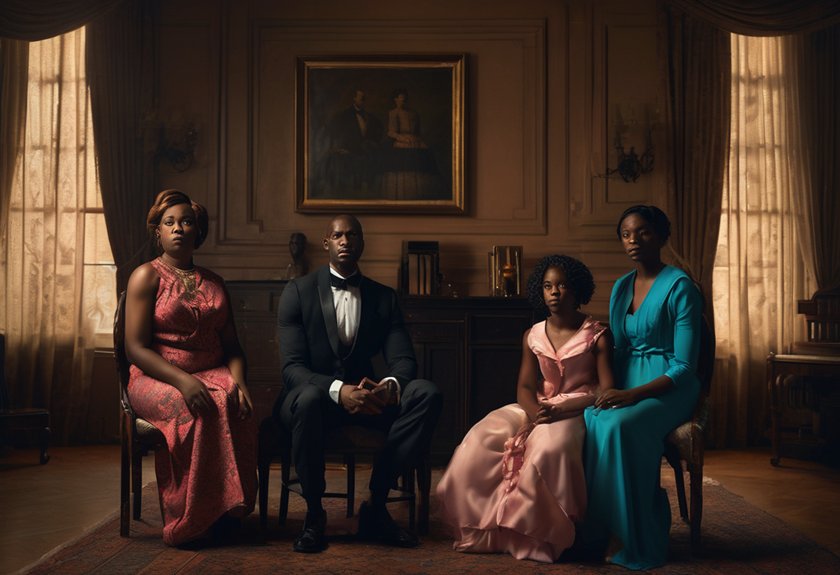
You don’t have to dismiss Black struggle to question respectability politics; you only have to notice who pays for acceptance. When you treat conformity as protection, you ask Black trans and nonbinary people to absorb racism and transphobia at once, then blame them when institutions still deny safety, housing, care, and belonging. That bargain doesn’t strengthen collective freedom. It narrows it—and the people pushed furthest out reveal exactly where that narrowing begins.
Although people often frame respectability politics as a path to dignity and safety, it’s better understood as a strategy that urges marginalized Black people to conform to dominant norms—through dress, speech, behavior, and deference—in hopes of winning recognition and reducing racist stereotypes.
To understand it, you have to trace its historical origins in late nineteenth-century Black uplift politics, where middle-class leaders promoted behavioral norms as tools for survival and racial advancement. Yet that strategy never operated neutrally: it asked you to perform worthiness under white scrutiny. Over time, respectability politics shifted from collective defense to neoliberal individualism, recasting inequality as a problem of personal conduct. Critics note that it disciplines Black communities internally, blames those harmed by injustice, and weakens solidarity by rewarding conformity over structural change and collective liberation.
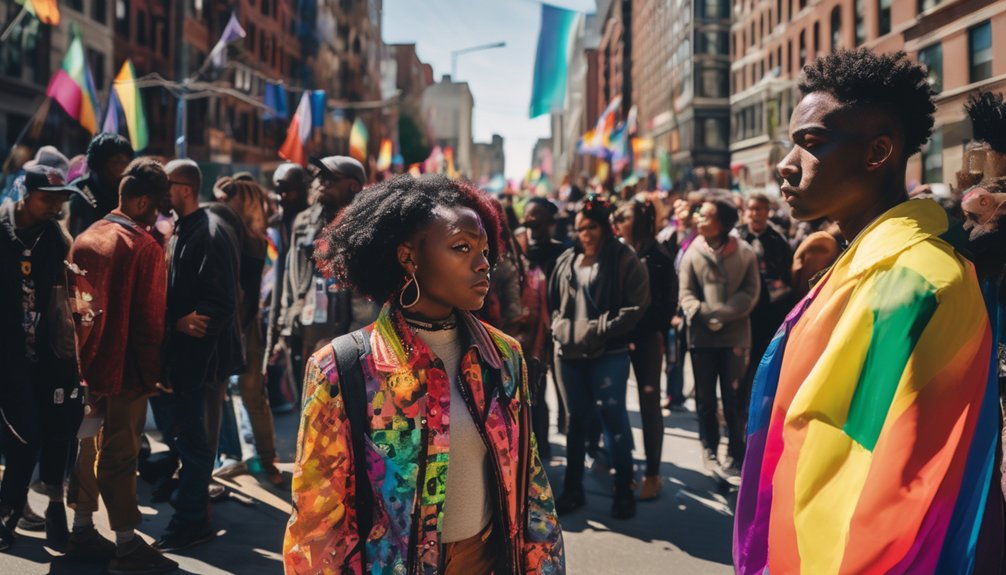
Because respectability politics treats conformity as the price of protection, it fails Black trans people at the very point where race, gender, and survival intersect. You can see that failure clearly:
Even when many Black adults recognize anti-trans discrimination, fewer treat trans-specific issues as urgent collective priorities. That’s why community storytelling matters: it exposes how assimilationist politics creates secondary marginalization. Queer Black organizers have long challenged that bargain, insisting liberation can’t depend on disappearing your gender to prove your worth.
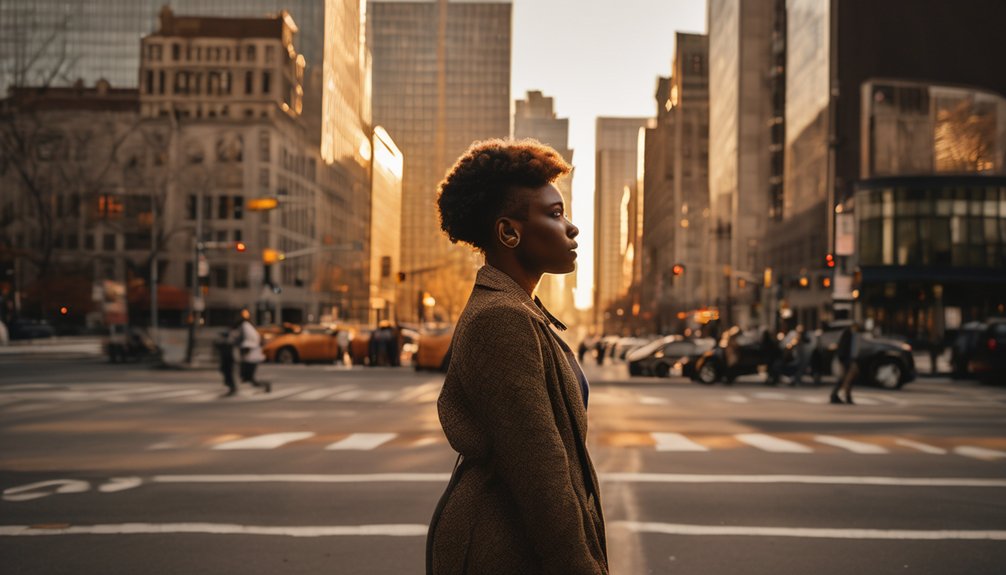
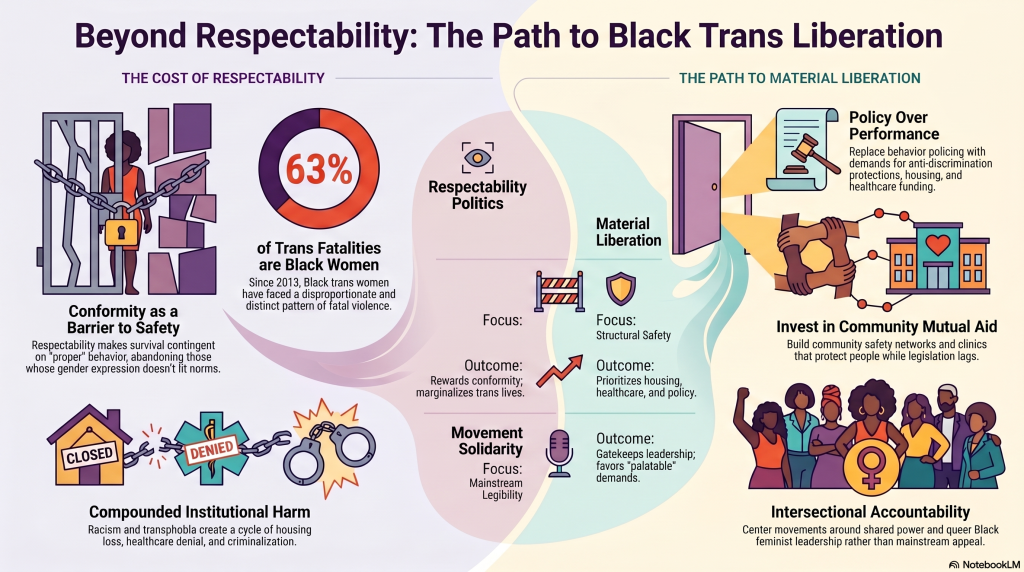
When racism and transphobia work together, they don’t just add risk—they create a distinct pattern of harm that falls heaviest on Black trans and nonbinary people, especially Black trans women. You can see it in fatal violence: since 2013, over 300 trans and nonbinary people have been killed in the U.S., and 63% were Black trans women.
That danger grows through structural violence. If employers, landlords, clinics, police, and courts discriminate against you, economic precarity deepens and safety shrinks. You may get pushed toward survival economies, where street exposure and criminalization increase vulnerability. When people don’t know trans people, stigma hardens; when institutions deny care or protection, reporting violence feels pointless. The result isn’t isolated bias but a system that makes Black trans life more exposed, less supported, and more disposable in daily life.
That pattern of harm doesn’t come from outside Black politics alone; it also reflects how some Black movements have been shaped by respectability politics. You can see exclusion happen when movements treat “acceptable” Blackness as straight, cis, church-friendly, and professionally legible.
You’re not looking at simple ignorance. You’re seeing how education gaps, religiosity, and conservatism shape agendas, while polls still show uneven support. Yet movements rooted in queer Black feminist intersectionality have shown you another possibility: inclusion grows when respectability stops setting the generation.
Replacing respectability politics means building movements around material safety, shared power, and intersectional accountability instead of around who looks acceptable to the mainstream. You observe this in formations like Movement for Black Lives, where queer Black women shaped agendas linking policing, trans violence, and economic justice rather than assimilation.
With a Policy focus, you stop policing behavior and demand anti-discrimination protections, housing, healthcare, and violence-prevention funding that materially reduce harm. You also invest in Mutual aid: shelters, clinics, legal support, and community safety networks that protect people while legislation lags. Still, you can’t romanticize solidarity; support for Black trans people remains weaker than for Black gay and lesbian people. So you measure success by outcomes—less violence, more care, greater representation—because Black trans women still face disproportionate fatal violence nationwide today.
Skoliosexual means you’re primarily attracted to transgender, nonbinary, or gender-nonconforming people. Like a compass tilting off the expected grid, this sexual orientation names an attraction identity centered beyond the cisgender binary. You should use the term with care: it can affirm visibility and solidarity, but it can also slip into fetishizing trans people if you ignore power, personhood, and the politics shaping who gets desired, respected, and humanized.
You’re looking at very low regret rates: most studies find under 1% to about 2% of trans youth regret transition-related decisions. If you read longitudinal studies carefully, you’ll see persistence is far more common than regret. You also can’t ignore how parental support, clinical assessment, racism, transphobia, and mental health shape outcomes. Regret, when it happens, often reflects social pressure or evolving identity, not simply “bad treatment” alone.
Psychologists generally say transgender people have a valid gender identity, not a mental illness. You’ll find current clinical perspectives emphasizing that distress usually comes from stigma, discrimination, and violence, not from being trans itself. They support individualized, evidence-based, gender-affirming care, including family support and trauma-informed therapy when needed. If you want nuance, psychologists also stress intersectional realities: race, class, disability, and safety shape mental-health outcomes.
About 16% of transgender adults in the U.S. are Black, so you can place Black trans people clearly within national racial demographics. You should also note that survey methods likely undercount them because stigma affects identity visibility and disclosure. If you look intersectionally, you’ll see Black trans communities face disproportionate violence and exclusion, even while remaining essential within broader Black life, gender diversity, and struggles for safety, dignity, and recognition.
You can’t win freedom by polishing yourself for power’s approval. When Black struggle bows to respectability, trans and nonbinary people bear the bruising burden—through lost resources, sharper surveillance, and fractured belonging. If you want liberation that lasts, you must reject blame-shifting and build brave, broad solidarity rooted in material care. Choose policies and mutual aid that honor difference, confront racism and transphobia together, and make survival, safety, and self-determination possible for all.

 Featured PostsSeptember 5, 2026Administration Move Targets Trans Visibility
 Featured PostsAugust 27, 2026Transgender Identity: Ancient Roots and Modern Understanding
 Featured PostsAugust 27, 2026What Does Non-Binary Mean?
 Featured PostsAugust 27, 2026A Guide to Dating a Trans Woman