Transgender Bathroom Debate
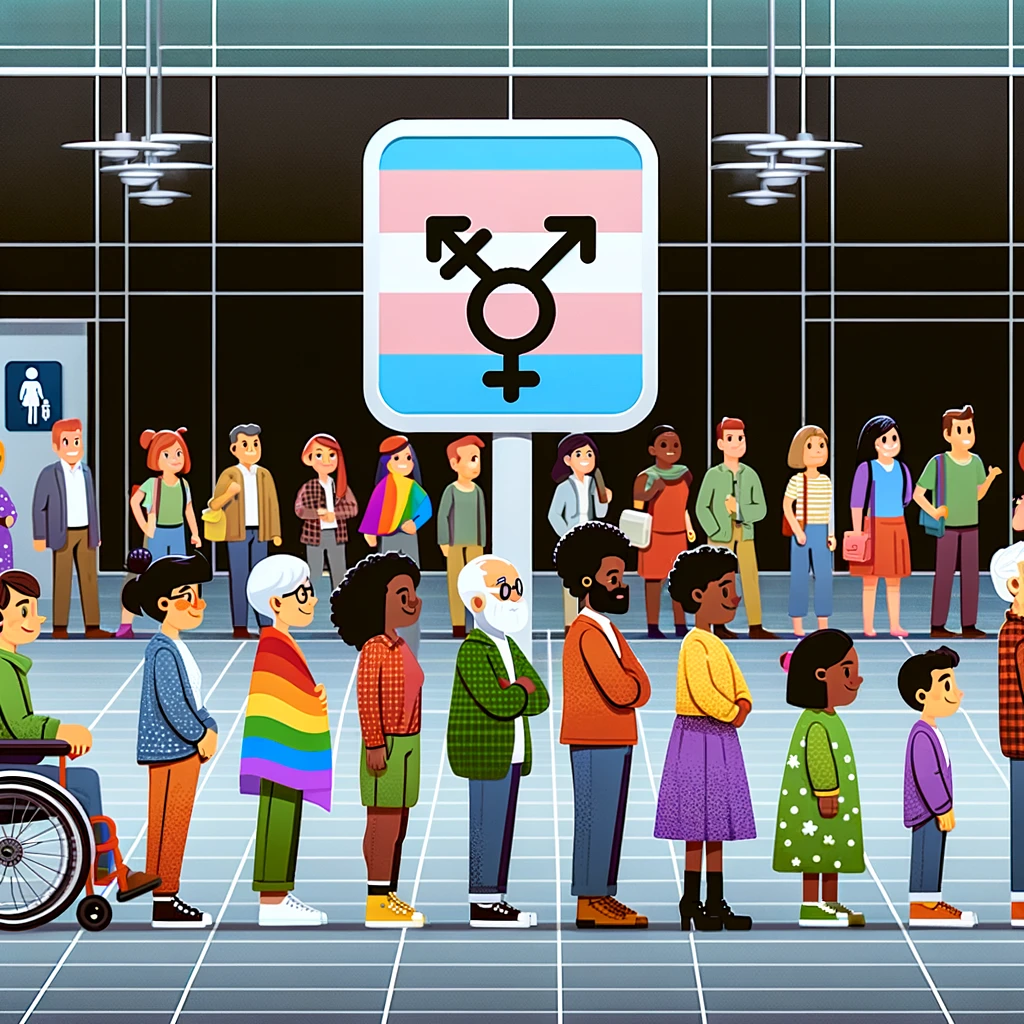
The transgender bathroom debate has sparked intense emotions and ignited heated discussions across various platforms. As society grapples with the complexities surrounding gender identity and restroom usage, diverging viewpoints continue to emerge, shedding light on the nuances of this contentious issue.
In a world where inclusivity and safety are paramount, exploring the implications of transgender bathroom policies becomes imperative to foster understanding and respect for all individuals involved.
When considering the perspectives on transgender bathroom access, it becomes evident that the experiences of transgender individuals in public restrooms are often fraught with challenges and discrimination. For many transgender individuals, using a public restroom can be a source of anxiety and fear due to the potential for denial of access, verbal harassment, or even physical assault. The lack of safe restroom access not only impacts their physical well-being but also takes a toll on their mental health.
Discriminatory practices in restroom access not only violate the rights of transgender individuals but also contribute to their marginalization and exclusion from public spaces. Advocates emphasize the importance of safe restroom access, highlighting that it’s essential for transgender individuals to fully participate in society without facing surveillance, violence, humiliation, or trauma. Ensuring equal restroom access is a matter of public safety and basic human dignity for those whose gender identity may not align with traditional norms.
The legal implications surrounding bathroom policies are at the forefront of discussions, particularly regarding public restroom use based on expressed gender identity. These debates often revolve around the enactment of bathroom bills, like the one in North Carolina in 2016, which restricted transgender access to restrooms, sparking a nationwide conversation. Proponents of gender-restricted restroom laws argue that such measures are necessary to uphold public safety by enforcing restroom use based on biological sex.
On the other hand, opponents view these laws as discriminatory and harmful to individuals whose gender identity differs from their biological sex. The issue of restroom access based on gender identity intersects with nondiscrimination laws and the broader conversation around sexual orientation or gender. The debate encompasses ethical, legal, and biological considerations, highlighting the complexities of balancing public safety with the protection of individuals from discrimination in public accommodations.
Facing ongoing challenges, transgender individuals often encounter barriers to safe restroom access in public spaces due to discrimination based on their gender identity. This discrimination manifests in denial of access, verbal harassment, and even physical assault, creating significant safety concerns for transgender individuals. The lack of inclusive restroom policies further exacerbates these issues, leading to the marginalization and exclusion of transgender individuals from essential facilities.
Safe restroom access isn’t just a matter of convenience but a critical aspect of the physical and mental well-being of transgender individuals. The denial of this basic right not only impacts their health but also hinders their participation in daily life. It’s crucial to address and rectify these discriminatory practices to ensure that transgender individuals can access public facilities without fear of harm or prejudice.
Research indicates that safety concerns used to justify restricting restroom access for transgender individuals are unfounded, highlighting the urgent need for more inclusive and supportive policies to protect the rights and dignity of all individuals, regardless of their gender identity.
Amidst the ongoing discussions surrounding the transgender bathroom debate, divergent perspectives on inclusive policies and safety concerns have emerged, reflecting the complexity of public opinion on this contentious issue. Advocates say that transgender people should have access to bathrooms and locker rooms that align with their gender identity, emphasizing the importance of nondiscrimination protection in public spaces.
However, opponents raise fears of safety risks, particularly regarding women and public restrooms, citing concerns about potential sexual violence. Controversies often stem from misconceptions and unfounded beliefs rather than evidence-based risks. The debate underscores broader questions about gender identity and privacy rights, with both sides grappling with the balance between inclusivity and safety.
Despite these challenges, efforts to promote understanding and debunk myths surrounding transgender individuals’ restroom access remain crucial in advancing equality and safeguarding the rights of all individuals.
Considering the importance of creating inclusive restroom practices, organizations and establishments are increasingly recognizing the need to provide safe and affirming spaces for transgender individuals. Inclusive restroom practices benefit transgender individuals by offering them a sense of safety and acceptance while accessing public facilities.
Here are some key points to consider in moving towards inclusive restroom practices:
Creating affirming spaces for restroom access is a significant step towards fostering a more inclusive and equitable society.
Transgender individuals generally appreciate the availability of gender-neutral bathrooms. These spaces provide a comfortable and safe option for those who may feel uncomfortable or unsafe in traditional gender-specific restrooms.
Gender-neutral bathrooms help promote inclusivity and respect for all individuals regardless of their gender identity. It’s important to recognize the value of such facilities in creating a more welcoming environment for everyone.
When it comes to safety concerns in public restrooms, transgender individuals may face unique challenges. Issues like harassment, discrimination, and violence can create a sense of vulnerability. These experiences can lead to anxiety and fear when using public facilities.
It’s important to address these concerns to ensure that all individuals feel safe and respected in these shared spaces.
Bathroom policies can significantly impact transgender individuals’ mental health. Access to safe and affirming restrooms is crucial for their well-being.
Discriminatory policies can cause stress, anxiety, and fear of harassment or violence. Conversely, inclusive policies that respect their gender identity can provide a sense of validation and support, positively impacting their mental health.
It’s essential for society to prioritize creating environments that foster acceptance and safety for all individuals.
Many misconceptions exist about transgender individuals and bathroom access. These misconceptions often stem from lack of understanding and misinformation.
It’s important to educate oneself about the realities of transgender experiences to combat these misconceptions. By fostering empathy, providing accurate information, and promoting inclusivity, society can work towards creating safe and welcoming environments for all individuals, regardless of their gender identity.
Bathroom policies can significantly impact transgender individuals in schools and workplaces. They play a crucial role in fostering a safe and inclusive environment.
These policies, when thoughtfully crafted, can help create spaces where everyone feels respected and supported. By ensuring that bathroom policies are inclusive and respectful of all gender identities, schools and workplaces can promote equality and contribute to a more accepting and welcoming atmosphere for everyone.
In conclusion, the transgender bathroom debate continues to spark controversy and division. As society grapples with the complexities of gender identity and public safety, it’s crucial to consider the perspectives and challenges faced by transgender individuals.
The path towards inclusive restroom practices requires thoughtful dialogue and understanding from all parties involved. Stay tuned for further developments in this ongoing conversation.

 Featured PostsOctober 17, 2026One Step Closer: Trans and Passing
 Featured PostsOctober 14, 2026Navigating Manhood: The Challenges FTM Individuals Face
 Activism and ChangeOctober 14, 2026I’m I7 and Male, I Don’t Know Whether or Not I am a Trans Girl
 Featured PostsOctober 13, 2026A New Beginning: Embracing the Realization That I’m Trans