Navigating Your Social World: A Practical Guide for MTF Transition

Steering through your social world as a MtF individual can feel like walking a tightrope over a pit of fire. Yet, it’s an expedition that can lead to profound self-discovery and acceptance. Understanding how to communicate your identity, build supportive networks, and advocate for your rights is vital. So, how can you create a space where you truly belong while embracing your authentic self? Let’s investigate the steps you can take to find that balance.
Understanding social transition is an essential part of your path, as it allows you to present yourself authentically in public. This process often involves expressing your gender identity through changes in wardrobe, hairstyle, and even using prosthetics. Coming out to friends, family, and colleagues can foster important support, making your transition smoother. Legal document updates, like changing your name and gender markers, can greatly reduce misgendering and affirm your identity. Remember, social transition is unique for each individual; there’s no right timeline or method. Engaging with supportive communities, including LGBTQIA+ groups, can also provide emotional resilience during this transformative experience. Welcome your process, knowing you’re not alone—many transgender people share similar experiences.
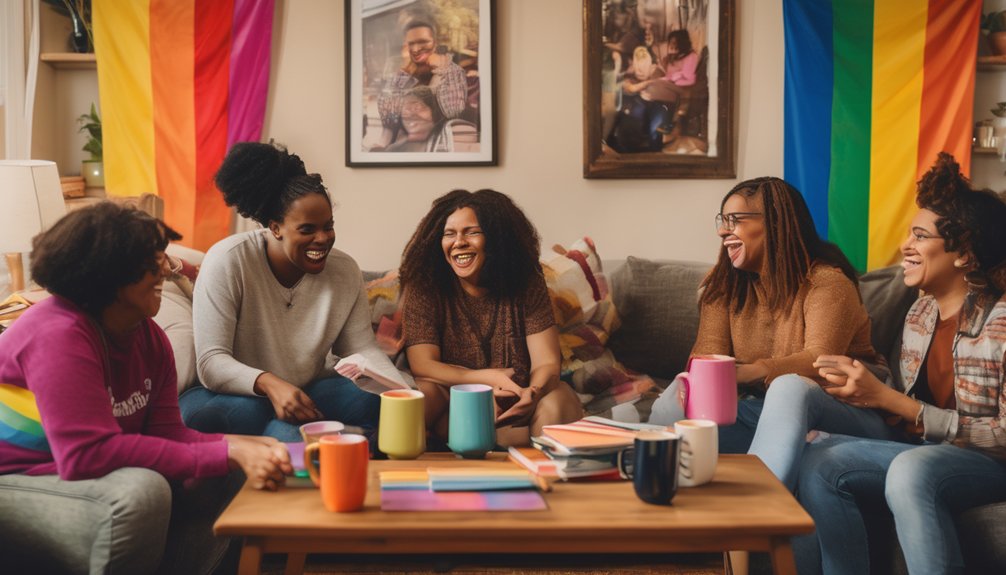
As you navigate your change, building supportive networks can be an important lifeline, helping you feel less isolated and more empowered. Connecting with others who understand your path makes a significant difference. Consider these avenues to strengthen your community connections:
Building supportive networks is essential for feeling empowered and connected as you navigate your journey.
Establishing relationships with affirming friends and family creates a safe space for emotional support, which is crucial during your change. Remember, you’re not alone on this path.
Effective communication can be a powerful tool in your social change, especially when you accept your identity fully. For transgender and gender non-conforming individuals, using personal pronouns and preferred names during introductions improves connections and affirms your identity. Engage in active listening and ask open-ended questions to foster deeper relationships with peers and allies. Assertive communication techniques, like “I” statements, help express your feelings clearly, reducing misunderstandings. Pay attention to non-verbal cues, such as body language and eye contact, to convey confidence. Joining support groups or community organizations provides a safe space to practice these skills, making it easier to navigate social environments during your change. Remember, effective communication is key to building meaningful connections.
Steering through professional environments can feel daunting, especially during your shift, but it’s important to know you have rights and resources available to support you. Understanding your rights under anti-discrimination laws, like Title VII, is significant. Here are some tips to help you navigate your workplace:
As a trans person, practicing self-advocacy is fundamental. Emphasize your contributions and qualifications while addressing any concerns related to your gender identity. Remember, you’re not alone in this experience.
Embracing your true self during a male-to-female (MtF) change is an essential step toward building self-confidence and enhancing your general well-being. When you practice self-acceptance, you affirm your gender identity, leading to reduced anxiety and improved mental health. Engaging with community connections—like LGBTQIA+ events and support groups—can provide crucial social reinforcement, making you feel less isolated. These interactions foster a sense of belonging and validate your experiences, greatly improving your confidence. Furthermore, workshops and counseling focused on gender identity exploration can help you build resilience and coping skills. Remember, embracing who you are not only empowers you but also encourages others in their path, creating a supportive environment for everyone.
No, 25 isn’t too old to shift to MtF. Your self-acceptance path is personal, and societal perceptions shouldn’t dictate your timeline. Many people find their true selves later in life, and starting at 25 can lead to a fulfilling, authentic existence. Accept your path, seek support from healthcare providers and communities, and keep in mind that it’s never too late to live as your true self. You deserve to feel comfortable in your own skin.
To start socially evolving in MtF, focus on building support networks. Begin by expressing your gender identity through your wardrobe and hairstyle, which fosters self-acceptance. Talk to supportive friends or family about your progression; they can help you feel more secure. Use your chosen name and pronouns consistently to reinforce your identity. Remember to prioritize your personal safety by gradually exploring gender-affirming spaces and community events, helping you ease into your new life.
There’s a compelling statistic showing that those who change earlier often experience 50% lower rates of depression. The best period to change as an MtF individual really hinges on your personal readiness, not societal expectations or myths. You deserve to feel comfortable in your own skin, so take the time to reflect on your feelings and seek support. It’s essential to prioritize your mental health and well-being during this process.
The initial steps to changing MtF involve exploring your gender identity and connecting with support networks. Seek medical resources like therapists experienced in gender issues to guide you emotionally. You’ll also want to reflect on legal considerations, such as changing your name and gender marker on documents. Engaging with communities and professionals can help ease your path, making it more manageable and affirming as you accept your true self.
As you navigate your social world, keep in mind that embracing your true self is an expedition worth taking. By building supportive networks and communicating openly, you empower yourself and those around you. Don’t forget, every step you take toward authenticity strengthens your confidence. So, what’s holding you back from fully embracing who you are? Surround yourself with allies, stay informed, and celebrate your progress—each moment brings you closer to the life you deserve.

 Featured PostsSeptember 29, 2026A Kansas Law Voided 1,700 Licenses. Now Judges Must Decide Whether It Stands
 Featured PostsSeptember 29, 2026Privacy, Dignity, and Rights: The Transgender Bathroom Controversy
 Featured PostsSeptember 29, 2026Finding Your Feminine Voice: A Guide to MtF Voice Therapy
 Featured PostsSeptember 29, 2026The First Time I Realised My Body Was Changing