Trans Adult Healthcare Under Siege as Project 2025 Architect Seeks Gender‑Affirming Care Ban
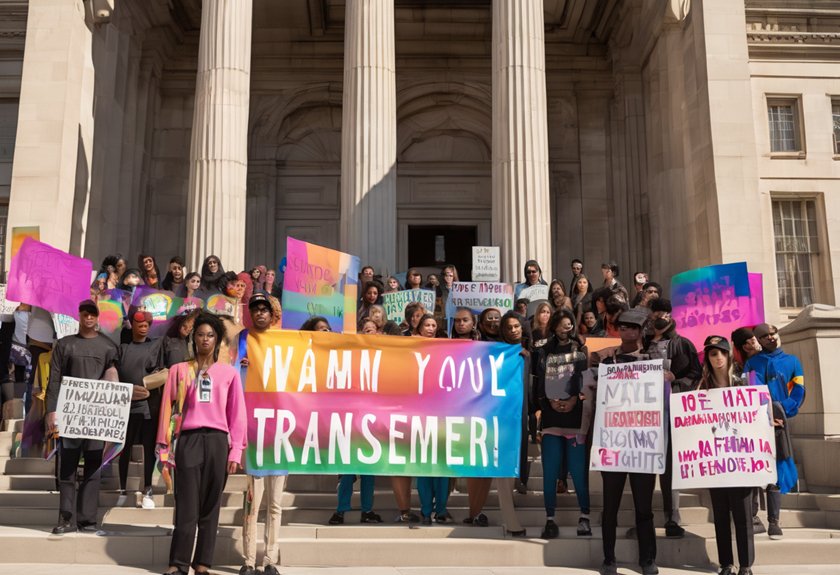
Amid growing debates over healthcare access and LGBTQI+ rights, Project 2025’s proposal to ban gender-affirming care for transgender adults has sparked considerable controversy. The project aims to categorize such medical treatments as harmful and akin to “child abuse,” despite widespread medical consensus affirming their benefits for mental health and general well-being.
The initiative’s proposal to eliminate federal protections poses a serious threat to healthcare access for transgender individuals. By targeting gender-affirming care, Project 2025 seeks to revoke protections under the Affordable Care Act, which currently guards against discrimination based on gender identity. This move could greatly impede access to necessary treatments, creating substantial barriers for trans individuals seeking care.
Community reactions have been swift, with many expressing surprise, confusion, and frustration. Critics argue that the proposal represents governmental overreach into personal healthcare decisions, undermining the autonomy of individuals to choose the medical care that best supports their mental health and identity.
Project 2025’s rhetoric frames gender-affirming care as part of a larger “transgender ideology” that it aims to dismantle. By linking medical treatments with ideological beliefs, the initiative intensifies ongoing societal debates about healthcare access and LGBTQI+ rights. This framing further complicates the discourse, as it shifts focus from individual well-being to broader political and cultural battles.
The proposed ban challenges established medical understanding, which supports gender-affirming care as vital for improving mental health outcomes among transgender adults. The potential rollback of protections could lead to increased discrimination and reduced availability of necessary healthcare, affecting the well-being of countless individuals.
As discussions continue, the implications of Project 2025’s proposals remain a focal point in the national conversation on healthcare access and LGBTQI+ rights.

 Featured PostsSeptember 20, 2026Full or Partial Transition? Understanding the Options for Older Trans Adults
 Activism and ChangeAugust 27, 2026From Erasure to Oppression: The Rise of Anti-Trans Laws
 Activism and ChangeAugust 27, 2026The Power of Resistance: Lessons From the Stonewall Riots
 Featured PostsAugust 27, 2026Dysphoria: Acknowledging the Pain, Finding Hope