We Belong Here: Transgender Soldiers and the Fight for Recognition

Did you know that around 8,000 transgender individuals are actively serving in the U.S. military? You’re likely aware of the challenges they face due to certain policies, but there’s more to investigate. These soldiers’ experiences highlight the emotional impact of exclusion and the vital role of community support. What steps can we take to guarantee they’re recognized and respected within the military? Immerse yourself in their stories and uncover the power of advocacy.
When military separation policies target specific groups, like transgender soldiers, they considerably impact both individuals and the broader military community. You might face separation consequences that disrupt your career and personal identity. The emotional challenges are significant, as you grapple with policy implications that question your place in the military. It’s a tough situation that affects your sense of belonging and can harm military readiness by removing capable members. These policies don’t just affect you personally; they also impact your unit’s cohesion and effectiveness. Understanding these policy implications helps highlight the need for inclusive practices that respect every soldier’s identity. Your identity is crucial, and the military should recognize the value you bring, regardless of gender identity.
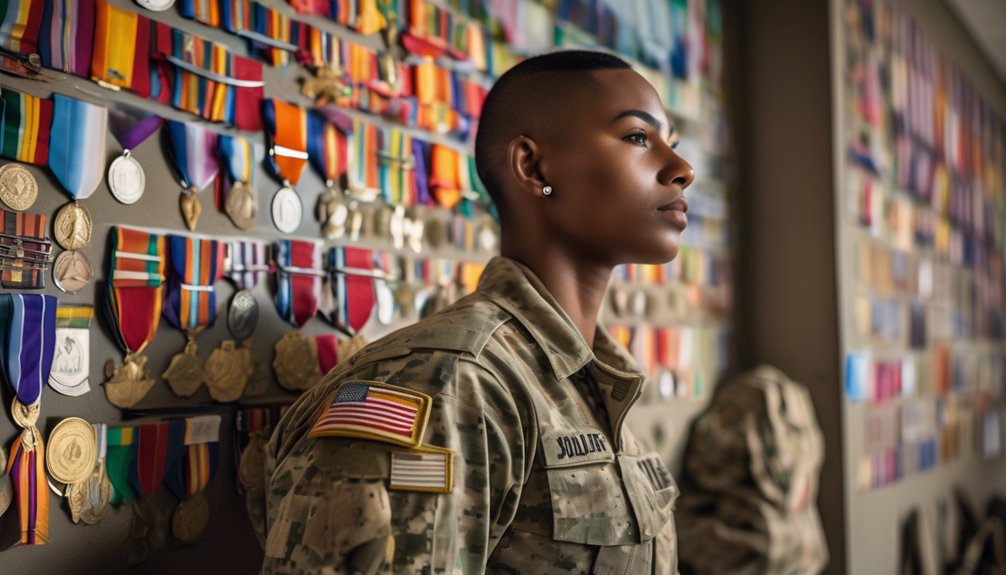
The challenges imposed by military separation policies deeply affect soldiers, but beneath the struggles lies remarkable personal stories of courage and resilience. You hear about personal odysseys where identity struggles transform into resilience narratives. Each emotional battle faced by transgender soldiers reveals their strength and determination. Community support plays an essential role, offering a lifeline during tough times.
| Personal Odyssey | Resilience Narrative |
|---|---|
| Maneuvering identity struggles | Emerging stronger and more determined |
| Facing emotional battles | Developing inner strength and courage |
| Finding community support | Building connections and belonging |
| Overcoming isolation | Embracing self-acceptance and pride |
| Advocating for rights | Inspiring others with their story |
These stories show you the incredible courage it takes to stand tall and say, “We belong here.”
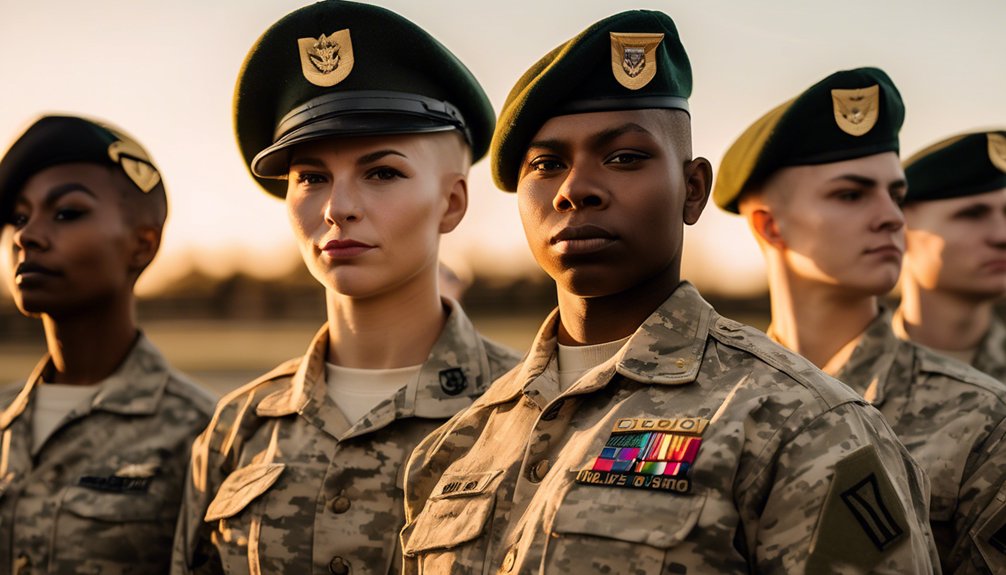
Although misconceptions and stereotypes about transgender soldiers persist, they aren’t grounded in reality. Those misconceptions about identity often stem from a lack of understanding about gender diversity. You might hear debates questioning military readiness, but these arguments overlook the strength that comes from embracing individual differences. Transgender soldiers, like their peers, are committed, skilled, and ready to serve. Stereotypes in service suggest that being transgender is a barrier, yet many find that changing their gender actually improves their abilities and mental well-being. It’s essential to educate others, fostering an environment where all soldiers are valued for their contributions, not judged by outdated stereotypes. By understanding and respecting gender diversity, you help create a more inclusive and effective military force.
In the military, support and community can make all the difference for transgender soldiers maneuvering challenging policies. You find strength in these bonds, which help you thrive despite obstacles. Support networks are essential, offering you a sense of belonging and understanding. Community initiatives encourage solidarity actions that elevate morale and foster inclusive environments. Engaging in peer mentorship, you not only gain guidance but also provide significant support to others like you. When you’re part of a welcoming community, you feel more confident and empowered to face challenges. Here’s how these elements come together:
As you consider the power of support and community, it’s important to focus on advocacy and finding new paths forward. You can champion transgender rights and fight for military inclusion by joining forces with others who share your vision. Policy reform is fundamental to guarantee that all soldiers, regardless of their gender identity, are treated impartially. Advocating for mental health support and tackling legal battles head-on is critical for lasting change. By staying informed and connected, you strengthen the push for fair and inclusive policies. Remember, every voice matters in the process toward equality. Your efforts can help pave the way for a military that values each member’s unique contribution, assuring a future where everyone belongs.
You’d face several legal implications if involuntarily separated as a transgender troop. Your legal rights might allow you to file discrimination claims, challenging the military’s decision under military justice standards. You’d need to investigate if separation benefits apply to you. Advocacy for policy reform is essential, as ongoing legal battles highlight the need for change. Staying informed and seeking legal guidance can support your path through these challenges.
Imagine you’re Ryan, voluntarily separating from the military. You wonder about pension eligibility criteria. Voluntary separation might delay your pension if you haven’t hit retirement milestone. Separation benefits include pay, but careful financial planning strategies are vital. Consider the impact on dependents, as their future hinges on your decisions. Understanding these factors helps you navigate the separation process smoothly, ensuring your long-term financial stability and peace of mind.
You may be curious about international precedents for such military policies. Globally, several countries, like Canada and the UK, support military inclusion with policies promoting defense equality. Historical precedents show nations embracing diversity often strengthen their forces. International comparisons reveal some countries have moved beyond outdated views, fostering environments where all soldiers, regardless of gender identity, serve openly. These examples highlight progress in recognizing the importance of inclusive military practices.
You’ve got access to several mental health support options. Counseling services offer compassionate care, while peer networks provide practical support. Resilience training builds strength and stability, preparing you for challenges. Crisis intervention teams are ready to respond rapidly, ensuring you never face struggles alone. These resources aim to improve your well-being, ensuring you feel supported and understood within the military community. Remember, seeking help is a sign of strength.
You might notice the policy impacts military recruitment and retention by creating recruitment challenges and lowering retention rates. It affects service diversity, as fewer transgender individuals may join or stay. The policy’s effects on military culture can be significant, as it may discourage inclusivity and acceptance. Supporting diversity and understanding in the ranks improves cohesion and morale, so addressing these policy issues is essential for a strong, unified military.
You’ve seen how transgender soldiers bravely face challenges and fight for recognition. Did you know that, according to recent studies, units with inclusive policies are 23% more effective? This statistic shows how accepting every soldier strengthens the military as a whole. By supporting inclusive practices, you help guarantee these dedicated individuals are respected and valued. Remember, community and advocacy can transform lives, making the military a place where everyone truly belongs. You’re part of this significant change.

 News and AdvocacyApril 28, 2026Trump Admin Moves to Remove LGBTQ+ Housing Protections, Reshape Shelter Policy
 Activism and ChangeApril 26, 2026What Is Queerbaiting?
 News and AdvocacyApril 26, 2026The Court’s Latest LGBTQ+ Case Could Reshape Who Gets Included in Preschool
 News and AdvocacyApril 23, 2026Democrats Pass New Law Shielding Trans Minors’ Name-Change Records