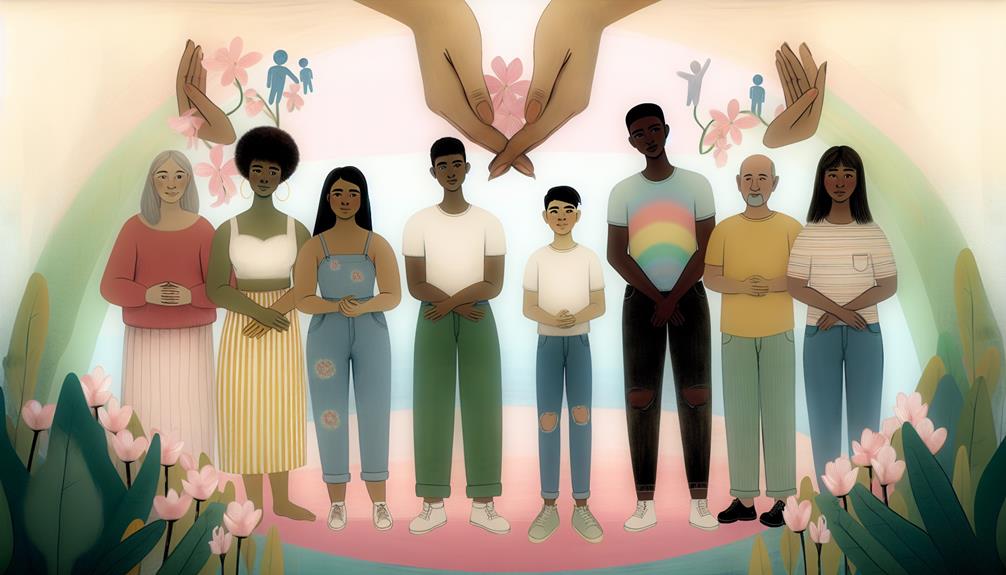
What is Internalized Transphobia: Spotting and Overcoming Internalized Transphobia

When you wrestle with the "whispered doubts" that society has instilled about transgender identities, you might be experiencing internalized transphobia. This isn't just about feeling uncomfortable or conflicted about your trans identity; it's about carrying harsh societal judgments that can deeply affect your self-esteem and overall well-being. To recognize these insidious patterns, listen to the narratives you tell yourself and notice when they echo common societal misconceptions. By understanding these signs and seeking support from empathetic friends or professionals, you can start to dismantle these harmful beliefs. After all, recognizing the problem is the first step towards healing, and there's much more to explore on how to nurture your true self.
Understanding internalized transphobia involves recognizing how you might unconsciously adopt negative societal beliefs about transgender individuals, affecting your self-perception and self-worth. This process often stems from normative gender expectations that label anything deviating from the traditional male or female roles as undesirable or incorrect. You might find yourself struggling with self-criticism or feeling inadequate because you don't meet these rigid standards.
For many transgender and gender nonconforming people, internalized transphobia manifests as negative self-narratives. These are the damaging stories you tell yourself about your worth and identity based on a misinformed societal viewpoint. Recognizing these narratives is an important step in challenging the deeply ingrained biases that fuel them.
It's important to understand that internalized transphobia isn't just about how you view yourself but also how these views can lead to broader mental health challenges. Feelings of distress, anxiety, and identity conflicts are common as you navigate your self-perception in a world that often misrepresents or undervalues transgender identities.
Internalized transphobia often leads you to judge yourself harshly and doubt your worth as you navigate your identity. This self-judgment can deeply impact your mental well-being, fostering a cycle of negative self-talk and diminished self-esteem. As a trans person, you might find yourself wrestling with internal conflicts that challenge the acceptance of your transgender identity. This struggle isn't just personal; it extends to how you perceive and interact with other trans individuals, potentially perpetuating harmful stereotypes and biases within your community.
Moreover, internalized transphobia hinders your ability to practice self-compassion and develop self-awareness, essential components for a healthy sense of self. It can make you more critical of yourself and less forgiving of your journey, which is unique and valid. The constant internal critique not only impacts your own authenticity but can also contribute to a broader culture of judgment and criticism among trans individuals.
Addressing and overcoming these effects is important. By recognizing and working through internalized transphobia, you pave the way towards a more accepting and authentic existence, enhancing your and others' mental well-being within the transgender community.
To start addressing internalized transphobia, you'll need to first recognize the negative self-talk that's shaped by societal biases. This often stems from widespread misconceptions about trans people and can lead to harmful comparisons with both cisgender and other transgender individuals. It's important to note how these internal narratives affect your mental health and overall well-being.
Identifying and addressing internalized transphobia involves more than acknowledging these thoughts. It requires a thorough exploration into how societal gender attitudes and the psychological mediation framework impact you. You'll need to challenge the stigmatizing language and beliefs that have been ingrained over time. This isn't easy, but it's an essential step towards healing.
To effectively combat these issues, start with self-reflection. Consider how internalized norms influence your view of yourself and your community. Educate yourself about the diversity and richness of trans experiences, which can help reshape your perceptions. Seeking support from peers or professionals who understand the nuances of gender identity can provide a safe space to explore these feelings.
Promoting inclusivity and acceptance within your circles also plays a critical role. By fostering an environment where diverse gender identities are celebrated, you contribute to a healthier, more supportive community for all trans people.
Overcoming internalized transphobia starts with recognizing the negative self-talk you've internalized from societal prejudices. As a transgender or gender nonconforming individual, it's important to identify how these thoughts contribute to negative health outcomes and hinder your journey toward self-acceptance.
Here's a breakdown to help guide your understanding and actions:
| Key Focus | Actions to Take |
|---|---|
| Awareness | Acknowledge and identify negative self-talk |
| Reframing Thoughts | Challenge and replace harmful narratives |
| Seeking Therapy | Engage with professionals to address internalized feelings |
| Practicing Self-compassion | Cultivate kindness and understanding towards yourself |
| Community Support | Connect with affirming groups and individuals |
Engaging in therapy can be a transformative step. It provides a safe space to explore and understand the roots of your internalized transphobia. Through therapeutic intervention, you can learn strategies to reroute your thought patterns towards more important and positive reflections.
Moreover, practicing self-compassion is essential. It's about being kind to yourself, recognizing your worth, and affirming your identity despite external negativities. Remember, you're not alone in this journey. Connecting with a supportive community can amplify your efforts in creating an inclusive environment where you can thrive.
You can start addressing internalized transphobia by seeking support from mental health professionals, joining support groups, and connecting with understanding friends and family. This approach not only provides a safe space to explore and affirm your gender identity and gender experiences but also plays an important role in applying psychological strategies tailored to your needs. By engaging with these supportive environments, you're taking significant steps to reduce stigma and foster a deeper understanding of what it means to be a transgender individual.
Educating yourself about the complexities of transgender identities helps dismantle the myths that fuel internalized transphobia. Immerse yourself in resources that celebrate transgender experiences and contributions, which will empower you to challenge negative self-talk and beliefs. It's about rewriting the narrative that society has often imposed on transgender individuals.
Advocating for inclusivity and acceptance in all areas of life also combats systemic transphobia. Whether it's in healthcare, the workplace, or within educational settings, your voice is important. Push for policies and practices that respect and affirm diverse gender identities. Remember, addressing internalized transphobia isn't just about self-transformation; it's about reshaping the world around you to embrace and celebrate all gender identities.
You're looking at the difference between internalized and external transphobia.
Internalized transphobia happens within you, manifesting as self-directed negativity based on societal biases. You might feel inadequate or criticize yourself harshly.
External transphobia, on the other hand, involves discrimination or prejudice from others towards transgender people. It's about how society or individuals outwardly express their biases against trans identities, often through exclusion, derogatory comments, or discriminatory actions.
Yes, internalized transphobia can deeply affect non-binary individuals just like it does transgender people. You might find yourself absorbing negative societal attitudes towards gender non-conformity, leading to self-doubt and insecurity about your own identity.
It's essential to recognize these harmful patterns and actively challenge them. Seek supportive communities and educate yourself about non-binary identities to help foster self-acceptance and resilience against these internalized biases.
Culture plays a significant role in shaping your views and self-perception, including internalized transphobia. It influences societal norms, values, and biases that you might unconsciously adopt.
If your culture stigmatizes or misunderstands transgender identities, you might internalize these negative beliefs, impacting your self-esteem and identity.
To combat this, it's essential to question these cultural norms and seek inclusive, affirming environments that celebrate and support transgender identities.
Internalized transphobia can wreak havoc on your physical health, potentially leading to chronic stress, anxiety, and depression. These emotional strains often manifest physically as headaches, fatigue, or digestive issues.
It's important to recognize these signs and take action. By addressing and working through these internal conflicts, you can reduce their physical toll, improve your overall well-being, and embrace a healthier, more fulfilled life.
Yes, specific age groups are more vulnerable to internalized transphobia, particularly young transgender individuals during their formative years and older adults who may face isolation.
You're likely to be more affected if societal and familial acceptance is lacking during these critical periods.
It's essential to seek supportive communities and mental health resources to combat these internalized negative beliefs and foster a positive self-identity amidst these challenges.
Remember, the journey to overcoming internalized transphobia starts with you. It's like unraveling a tightly wound thread—patience and persistence are key.
Acknowledge your feelings, challenge harmful beliefs, and surround yourself with supportive folks who uplift you. You're not alone in this fight.
Every step you take towards embracing your true self is a victory. So, keep learning, keep growing, and above all, be kind to yourself. You've got this!

 Featured PostsDecember 31, 2025Beyond the Headlines: The Full Impact of New Anti-Trans Laws
 Featured PostsDecember 30, 2025Misgendered by Machines: Inside AI’s Discrimination Against Trans People and the Solutions We Need
 News and AdvocacyDecember 21, 2025In Prime-Time Speech, Trump’s Anti-Trans Broadsides Are Branded as Desperate
 Featured PostsDecember 21, 2025Beyond the Binary: A Basic Guide to Transgender Awareness