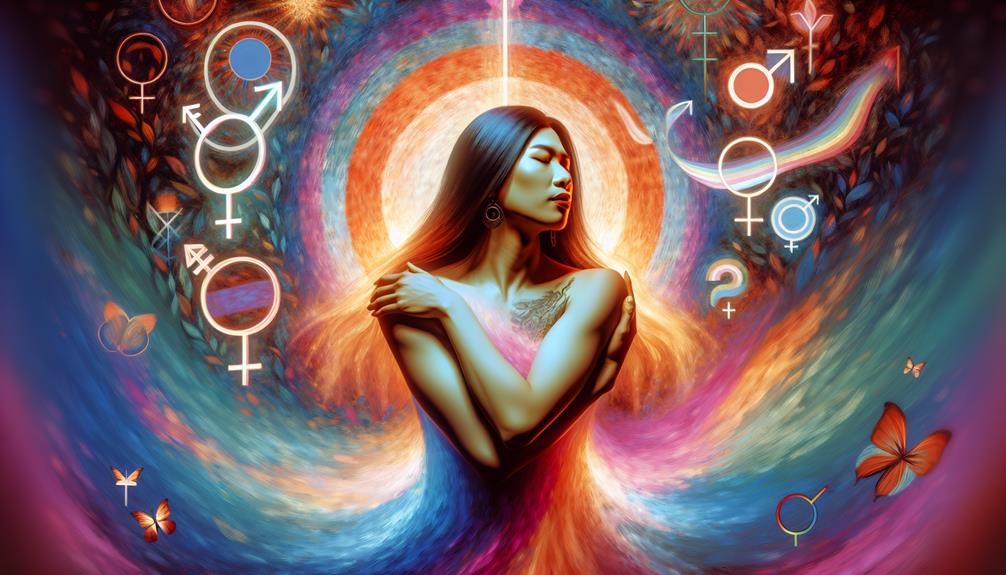
Shared Struggle: Why the Fight for Trans Rights Is a Feminist Issue

The fight for trans rights is a feminist issue because it recognizes that all women face a shared struggle against discrimination and violence. When you support trans women, you strengthen the entire movement for gender equality. Historical inequities and societal pressures affect everyone, but we can challenge these injustices together. By standing in solidarity, you not only uplift marginalized voices but also empower your own fight for rights. There’s much more to investigate about this essential connection.
In the domain of sports, historical inequities have long sidelined women, leaving their achievements overshadowed and their voices muffled. You may notice that women’s sports often struggle for recognition, with media coverage typically favoring male athletes. This lack of visibility stifles female talent and diminishes their accomplishments. Coaches and decision-makers, largely men, frequently limit women’s control over their sporting environments, perpetuating a cycle of inequality. When a woman heads a team, it’s treated as newsworthy, highlighting the stark disparities still present. These gender dynamics mirror broader societal inequalities, reinforcing the need for a collective push for change. Acknowledging and addressing these historical inequities is crucial for empowering all athletes and fostering a more inclusive sporting culture.

While traversing the complexities of society, women and trans individuals often encounter a shared landscape of challenges that reflect deep-rooted inequalities. You might face harassment, discrimination, and economic disparities, all while steering through societal expectations about your identity. The struggles are intertwined, demanding solidarity in the fight for justice.
| Challenge | Impact |
|---|---|
| Workplace Inequity | Lower pay, fewer promotions |
| Violence and Harassment | Physical and emotional trauma |
| Societal Expectations | Pressure to conform to norms |
| Misunderstanding | Misrepresentation and fear |
| Lack of Representation | Media and leadership gaps |
These challenges not only affect individuals but also echo the broader fight for gender justice. Recognizing these commonalities is crucial for building a united front.

Fundamentalism greatly distorts gender identity by enforcing rigid roles that ignore the complexity of individual experiences. These ideologies dictate that your worth and identity hinge on biological determinism, limiting your expression and autonomy. You’re often pressured to conform to narrow definitions of masculinity and femininity, stifling your authentic self. This rigidity not only impacts trans individuals but also confines cisgender women, reinforcing patriarchal norms that prioritize obedience over individuality. When you challenge these fundamentalist views, you disrupt the status quo and advocate for a broader understanding of gender. Together, we can dismantle the harmful narratives imposed by fundamentalism and adopt a more inclusive society, where diverse identities are celebrated rather than suppressed. Your voice matters in this essential fight for liberation.
As anti-trans legislation gains momentum, the ripple effects on society extend far beyond the trans community, threatening the very foundation of gender equality. This backlash creates a hostile environment for all women, undermining their rights and dignity. You might see how these laws disproportionately affect marginalized groups, perpetuating violence and discrimination.
| Consequences | Impact on Society |
|---|---|
| Increased violence against trans people | Heightened fear and anxiety among all women |
| Erosion of healthcare access | Limited support for gender-affirming care |
| Legal discrimination | Reinforced societal stigma |
| Diminished educational opportunities | Restricted learning environments |
| Normalization of hate speech | Broader acceptance of intolerance |
Ultimately, these consequences aren’t just about trans rights; they threaten the progress of all women, demanding our solidarity in this fight.
The rising tide of anti-trans legislation underscores an urgent reality: the fight for rights is interconnected, and women’s solidarity is vital for progress. When you stand with trans women, you’re not just defending their rights; you’re fortifying your own. The struggles against gender-based violence, discrimination, and societal expectations bind us together. Ignoring the plight of any woman, including trans women, weakens the collective fight for equality. As fundamentalist ideologies threaten us all, uniting across identities becomes imperative. Education and advocacy empower us to challenge oppressive norms. By embracing a shared struggle, you amplify voices that have long been silenced. Together, we can dismantle the structures that perpetuate inequality and create a future where every woman’s rights are upheld and celebrated.
To support trans rights effectively, you can educate yourself and others about trans issues, challenge harmful stereotypes, and listen to trans voices. Use your platform to amplify their stories, advocate for inclusive policies, and stand against discrimination. Show up at rallies and support trans-led organizations. Remember, allyship means taking action, so commit to being an ongoing advocate. Your solidarity can make a real difference in creating a more equitable society for everyone.
Anti-trans legislation can severely impact mental health, leading to increased anxiety, depression, and feelings of isolation. You might experience fear and uncertainty about your identity and safety. This hostile environment undermines self-worth and fosters stress, creating barriers to accessing necessary support. Witnessing discrimination can heighten feelings of vulnerability, making it vital for you to seek community and advocacy. Standing together can help combat these psychological effects and promote healing and empowerment.
In regard to media portrayals, you’ve got to keep in mind that perception is reality. The way media represents trans individuals shapes public opinion, often perpetuating stereotypes or biases that lead to misunderstanding. Positive, authentic depictions can foster empathy and acceptance, while negative portrayals deepen stigma and fear. By holding media accountable for their narratives, you can help create a more inclusive society that respects and values trans lives as part of our broader community.
If you’re facing discrimination as a trans individual, numerous resources can support you. Organizations like the Human Rights Campaign and Trans Lifeline offer advocacy, crisis support, and legal assistance. Local LGBTQ+ centers often provide community connections and resources tailored to your needs. Furthermore, online platforms can connect you with allies and mentors. Don’t hesitate to reach out—building a support network is essential for maneuvering challenges and asserting your rights. You’re not alone in this fight.
To promote understanding between cisgender and transgender women, start by sharing stories—your stories. Foster open dialogues where everyone feels safe to express their experiences and fears. Organize workshops focusing on empathy and active listening. Challenge stereotypes together, illuminating shared struggles and victories. Advocate for inclusive spaces that celebrate diversity. Remember, building bridges takes time, but each conversation can spark change, creating a united front against oppression and misunderstanding. Stand together, empowered and unyielding.
When you stand up for trans rights, you’re not just advocating for a single group; you’re fighting against a system that seeks to oppress all women. The theory that one group’s liberation threatens another’s is a myth—true empowerment lifts everyone. By embracing solidarity, we dismantle the barriers imposed by fundamentalism and anti-trans legislation. Together, we can create a world where every woman, regardless of her identity, thrives. Let’s unite and champion a future of shared freedom and equality.

 Featured PostsDecember 31, 2025Beyond the Headlines: The Full Impact of New Anti-Trans Laws
 Featured PostsDecember 30, 2025Misgendered by Machines: Inside AI’s Discrimination Against Trans People and the Solutions We Need
 News and AdvocacyDecember 21, 2025In Prime-Time Speech, Trump’s Anti-Trans Broadsides Are Branded as Desperate
 Featured PostsDecember 21, 2025Beyond the Binary: A Basic Guide to Transgender Awareness