Men Are Hurting: A Trans Man’s Unexpected Realization
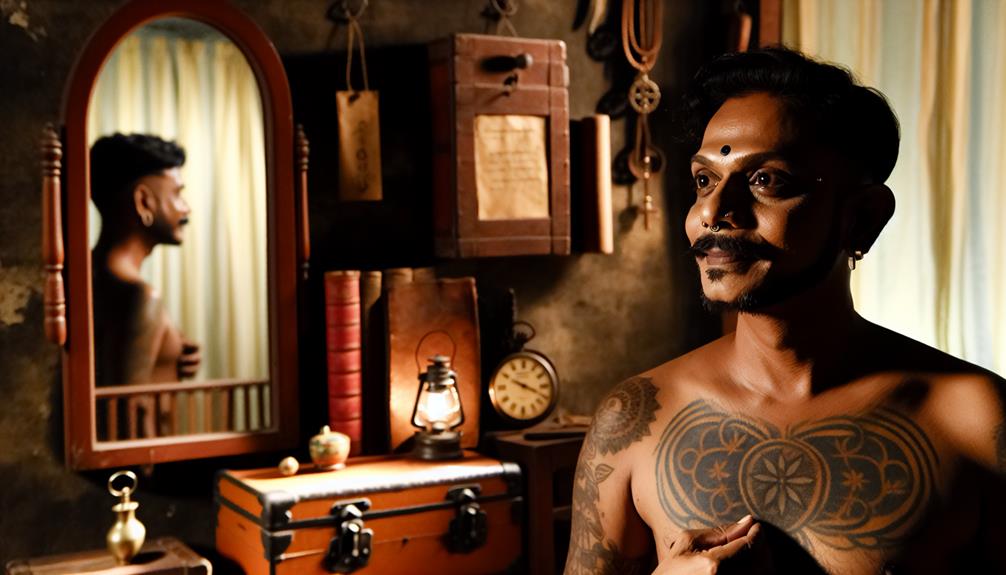
Imagine stepping into a new identity, expecting freedom and acceptance, only to find yourself confronting an unexpected kind of pain. As a trans man, you might think the hardest part is changing, but then you realize there’s more to it. Men are hurting in ways you didn’t anticipate, facing loneliness and mental health challenges. Society tells you to be strong and silent, but is that working? What if embracing vulnerability is the real strength? This path raises questions about masculinity and emotional healing that perhaps you’ve never considered before. What truths are you about to uncover?
Recognizing your gender identity is like piecing together a puzzle that you didn’t even know was incomplete. For many trans people, this realization might come early, even as young as eight years old. You might remember feeling that something was off, as if you were trying to fit into a role that didn’t quite match who you truly are. Years ago, your childhood experiences may have hinted at this disconnect, perhaps evident in the way you interacted with toys or the discomfort you felt when labeled by certain pronouns.
You might have a trans friend who shares similar stories of early signs of gender dysphoria, those feelings of unease and distress caused by a mismatch between your assigned gender at birth and your true identity. As you grow older, you begin to piece together these moments, realizing they were clues all along. The process of transformation, often beginning in adulthood, is a significant step toward aligning your outer appearance with your inner self. Although it can be a time of loneliness and challenge, it’s also a period where you start to form a deeper understanding of who you are, helping you find your place in the world.
As you navigate the path of understanding your gender identity, you might stumble upon the challenges that men face in expressing their emotions. Male loneliness often takes root in societal expectations that discourage emotional vulnerability, leaving many men isolated. This isolation can lead to mental health struggles, as men are four times more likely to commit suicide than women. The pressure to conform to traditional masculine norms often forces men to suppress their emotions, which can result in shallow friendships and a lack of deep connections.
Society’s portrayal of emotional expression as a weakness exacerbates this issue, creating a cycle where men feel compelled to hide their true feelings. This can lead to increased violence and unresolved emotional pain. Recognizing these struggles can help you empathize with the pressures men face and the inner conflict they endure.
Consider these key points:
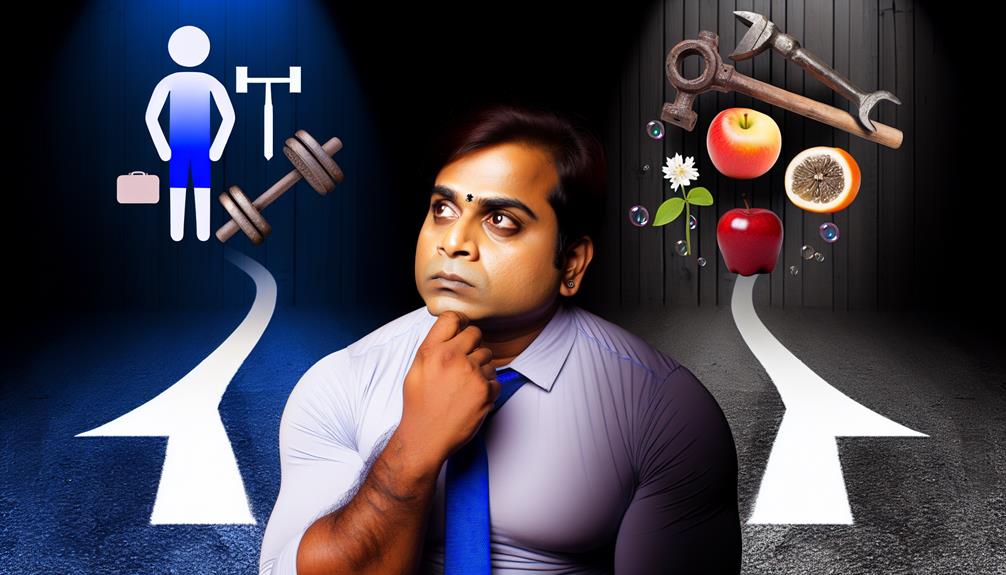
Maneuvering masculine privilege can be a complex expedition, as it offers both benefits and challenges. You might find a sense of safety and societal acceptance thanks to this privilege. However, it often demands emotional repression and limits opportunities for vulnerability. These societal expectations can lead to a feeling of isolation and loneliness. Men are frequently taught to prioritize toughness and stoicism, hindering their ability to express emotions and seek support. This contributes to higher rates of mental health issues and even suicide.
The paradox of masculinity lies in feeling protected from external threats, yet lacking deep emotional connections. Emotional vulnerability is often seen as unacceptable for men, reinforcing stereotypes that limit nurturing roles and empathy. This can exacerbate feelings of disconnection and loneliness, making it difficult to form meaningful relationships.
Challenging these conventional notions of masculinity by promoting emotional expression can foster healthier relationships. By embracing vulnerability, you can break free from these limiting societal norms. This not only benefits your personal relationships but also contributes to a less violent and more empathetic society. In doing so, you help redefine what it means to be a man in the present era.
To initiate your emotional healing voyage, begin by acknowledging your feelings and allowing yourself to express them without judgment. Society often pressures men to hide their vulnerability, but embracing your emotions is the initial step toward mental health. Recognizing your emotions can lead to better communication skills, fostering emotional openness, and creating stronger connections.
Developing these skills isn’t just about talking; it’s about truly understanding and connecting with others. To improve your emotional expedition, try these strategies:
Redefining masculinity to include emotional health challenges stereotypes and opens doors to healthier identities. By engaging in conversations about emotional struggles and sharing personal experiences, you’re contributing to community healing. This kind of openness not only benefits you but also helps others understand that vulnerability is a strength, not a weakness. As you commence on this voyage, keep in mind that emotional healing is a path to personal growth and deeper, more meaningful relationships. It’s about breaking barriers and building a supportive community around you.

Through sharing personal stories, trans men illuminate the emotional pain and isolation often felt during and after their transformation. You might find that storytelling becomes a powerful tool for understanding these experiences. When trans men open up about their experiences, they reveal how challenging it can be to establish meaningful friendships. It’s common for them to encounter friendships that lack depth, which can lead to feelings of loneliness. By sharing these stories, they advocate for more supportive environments where emotional connections can thrive.
Advocacy plays a vital role in addressing societal expectations of masculinity. As you listen to these personal narratives, you begin to see the importance of redefining what it means to be a man. The mental health challenges faced by trans individuals, often exacerbated by societal rejection, highlight the need for change. Creating spaces where vulnerability is encouraged helps combat these issues.
You might wonder if trans men are as strong as cisgender men. Strength isn’t just about physical power; it’s also about resilience, emotional intelligence, and facing unique challenges. Trans men often navigate complex social dynamics and societal expectations, showing incredible mental and emotional strength. By embracing their identity and overcoming obstacles, they redefine what it means to be strong, proving that strength comes in many forms, beyond traditional masculine norms.
So, you’re curious about what happens when a man changes to a woman? Imagine trading your tool belt for a makeup kit, but with a lot more paperwork. You’ll plunge into hormone replacement therapy, which means estrogen becomes your new best friend, prompting physical and emotional changes. Relationships may shift like tectonic plates, and you might face hurdles like discrimination. However, it’s about finding comfort in your true self, even if society’s still catching up.
You’re wondering how long it takes for a trans man to fully change. The process is highly individual, often starting with a social change and followed by medical steps like hormone therapy and surgeries. Hormone effects can be noticeable in 3-6 months, but full changes may take years. Surgeries add time, sometimes years, due to different factors. In general, feeling fully integrated in your gender identity might take a decade or more, depending on personal circumstances.
When altering, you’ll experience both physical and emotional changes. Physically, testosterone therapy deepens your voice, promotes facial and body hair, and alters fat distribution. Emotionally, you might feel shifts in friendships and social interactions. Society’s expectations may pressure you to conform to traditional masculine roles, impacting your emotional expression. Steering through these changes can be challenging, but embracing all aspects of your identity and seeking supportive environments can foster personal growth.
You might think embracing your true identity will solve all your problems, but remember Alex, a trans man who felt isolated despite his newfound confidence. He realized that breaking societal norms around masculinity takes courage and community support. By sharing his struggles, Alex found others who felt the same. Just like him, you can start by opening up to friends or joining support groups. It’s okay to be vulnerable; that’s where healing truly begins.

 Activism and ChangeOctober 14, 2026I’m I7 and Male, I Don’t Know Whether or Not I am a Trans Girl
 Featured PostsOctober 13, 2026Colorado and Michigan Join States Ending Medicaid Coverage for Trans Youth
 Featured PostsOctober 8, 2026From Self-Doubt to Self-Acceptance: Confronting Internalized Transphobia
 Featured PostsOctober 8, 2026Say NO to Props 134 & 135 in Colorado