From Awareness to Allyship: A Guide to Understanding Transgender People
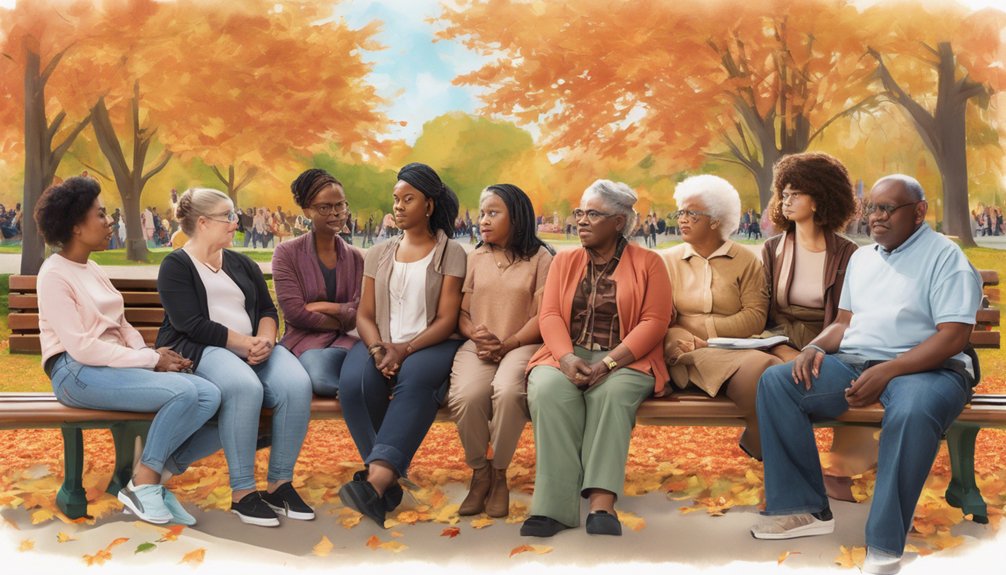
Understanding the difference between sex and gender can transform your perspective on transgender issues. It’s not just about terminology; it’s about affirming identities and fostering respect. When you use someone’s chosen name and pronouns, you validate their identity and support their path. This guide encourages you to investigate allyship, advocate for change, and engage with the community. Uncover what it truly means to be an ally and make a positive impact.
While many often use the terms interchangeably, it’s vital to distinguish between sex and gender to better understand and respect people’s identities. Sex is the biological classification at birth, like male, female, or intersex, but gender is your internal experience, which can be as a man, woman, or nonbinary. For transgender and gender non-conforming individuals, gender identity might not align with the sex assigned at birth. Recognizing this helps challenge assumptions about people’s gender and fosters an inclusive environment. Self-education is significant in understanding the diversity of identities, especially for intersex and nonbinary people, whose experiences further illustrate that gender is personal and not strictly tied to biology. Accept these insights to support all individuals authentically.
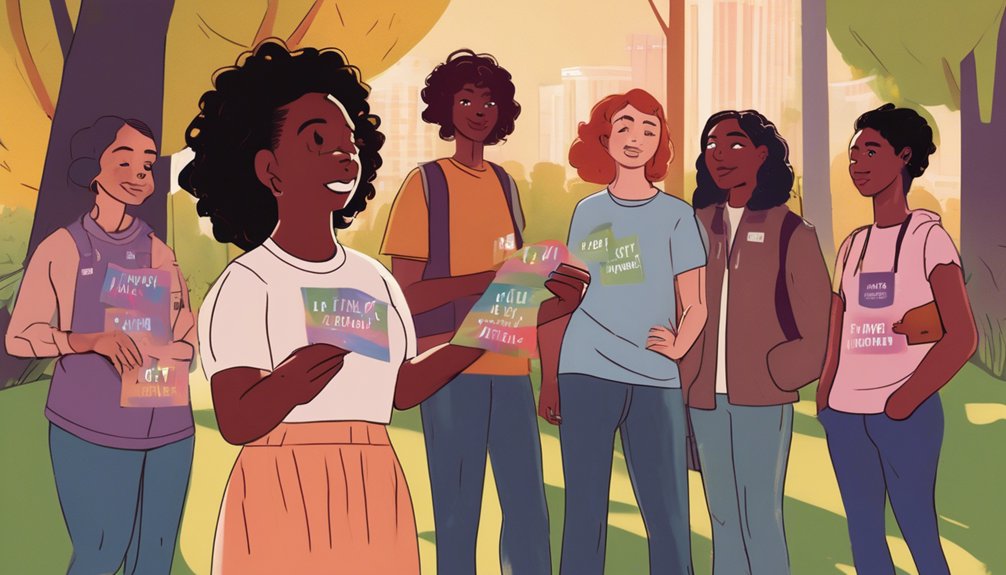
Understanding and respecting names, pronouns, and identities is vital in affirming a person’s gender identity. When you use someone’s chosen name and pronouns, you’re not only respecting their identity but also providing emotional support. Misgendering, even if unintentional, can be harmful, so it’s important to engage in sincere allyship by correcting mistakes with a genuine apology. Introducing yourself with your pronouns creates a more inclusive environment, encouraging others to share theirs without fear. Remember, about 75% of trans youth prefer terms beyond “boy” or “girl,” so using inclusive language is significant. Never ask for a transgender person’s “real name.” Instead, honor their chosen name, which reflects their path. Your respect and understanding make a meaningful positive impact.
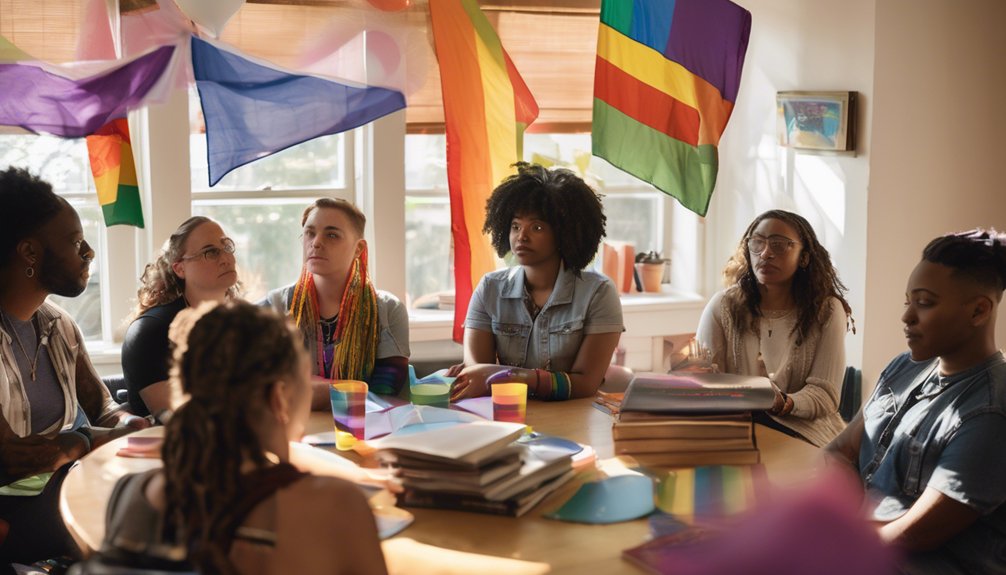
Starting on the path of change and gender examination is deeply personal and varies greatly from one individual to another. Transitioning is a personal voyage, encompassing social, medical, and legal changes. It’s not just about surgeries but also involves choosing pronouns, names, and other ways to affirm one’s gender identity. As you investigate, keep in mind that:
When you commit to fostering allyship and support for transgender individuals, you’re taking a meaningful step towards creating a more inclusive and compassionate society. Start by using correct pronouns and respecting chosen names. This simple act shows respect for gender identities and supports the trans community. Educate yourself about transgender issues and listen to personal experiences. Open conversations can challenge anti-transgender attitudes and promote understanding.
| Action | Impact |
|---|---|
| Use correct pronouns | Creates welcoming environments |
| Educate about transgender | Cultivates understanding and empathy |
| Challenge discrimination | Encourages inclusive spaces |
Engage actively and continuously in allyship. By understanding the unique challenges faced by transgender individuals, you help foster inclusive spaces and support transgender rights, contributing to meaningful change.
Supporting transgender individuals through personal allyship paves the way for broader systemic changes. By fostering an inclusive community, you’re helping to reshape institutions to better support transgender people. Start by advocating for the removal or self-identification of gender markers on forms, allowing for greater inclusivity. Guarantee access to gender-neutral bathrooms, creating a welcoming environment for everyone. Implementing a transgender-inclusive nondiscrimination policy is essential for equitable treatment and support. Engage with local organizations to advocate for safe spaces and respectful treatment in workplaces, schools, and community organizations.
Through awareness and engagement, you can drive meaningful change.
Ever wondered about the real impact of misgendering? You can debunk stereotypes by using inclusive language and understanding gender identity. Highlight transgender visibility and address intersectional issues, like healthcare access and legal rights. Challenge societal norms by providing educational resources. Remember, empathy goes a long way. Your support helps create a world where everyone feels seen and respected. Keep questioning, learning, and advocating for change. You’re not just an ally; you’re a friend.
You know the media plays an essential role in shaping perceptions of transgender identities. When media representation includes positive narratives and diverse film portrayals, it challenges stereotypes and underscores visibility importance. Transgender documentaries and inclusive advertising can foster understanding. Social media influence and thoughtful news coverage help evolve language and perceptions. By supporting accurate portrayals, you help transform media into a powerful ally in promoting acceptance and inclusivity.
To support your transgender child effectively, use affirming language and foster open communication. Guarantee their emotional safety by respecting their gender identity and facilitating access to inclusive education and healthcare. Strengthen peer relationships by encouraging community involvement. Provide family resources that improve understanding. Stay informed about their needs and remain a steadfast ally. Your support as a parent is essential in building a nurturing environment where your child can thrive authentically.
Imagine discrimination as a storm battering a ship. Transgender individuals face discrimination effects that deeply affect mental health, often due to social stigma. This can lead to internalized transphobia, anxiety disorders, and even suicidal ideation. It’s vital to build strong support systems and develop coping mechanisms. Community resilience helps, as does therapy access. By fostering understanding, you can help calm the storm and guide them to safer shores.
Your cultural background can greatly shape transgender identity and acceptance. Cultural perceptions and family dynamics play vital roles, impacting how you perceive yourself and how others view you. Religious beliefs and societal norms might either support or challenge your path. Historical context and intersectional identities influence your experiences. Language usage, community acceptance, regional differences, and educational background all contribute to the support or resistance you face in embracing your identity.
Understanding transgender people is like opening a window to a more inclusive world. You can foster allyship by respecting names and pronouns and supporting individual paths of gender exploration. Listen actively and advocate for change to guarantee equitable treatment. Your efforts help dismantle discrimination and create supportive spaces where everyone feels valued. By educating yourself and others, you’re contributing to a meaningful progress, making a positive impact on the lives of transgender individuals.

 Featured PostsFebruary 2, 2026The Weight Lifted: Navigating Your FTM Top Surgery Recovery
 News and AdvocacyJanuary 30, 2026Threat Assessment: 47 Organizations Launch National Initiative Against LGBTQ+ Marital Equality
 Featured PostsJanuary 30, 2026Voice in Female-To-Male Transgender Persons After Long-Term Androgen Therapy
 Featured PostsJanuary 30, 2026My Wife Doesn’t Know I’m Trans