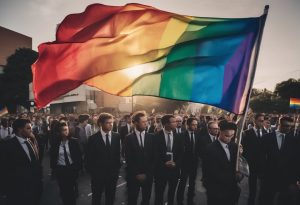
A Closer Look: The Implications of Utah's Transgender Bathroom Restrictions

Utah’s recent legislation regarding transgender bathroom access has sparked considerable debate and raised important questions about civil rights and inclusion. The implications of these restrictions reach beyond the legal realm, impacting the daily lives and social interactions of transgender individuals.
The controversial nature of the policies has prompted various stakeholders to voice their perspectives, adding complexity to the ongoing dialogue. As the discussion continues to unfold, it becomes increasingly crucial to examine the multifaceted implications of Utah’s transgender bathroom restrictions, shedding light on the broader societal and ethical considerations at play.
Utah’s HB257 redefining legal definitions of male and female based on reproductive organs at birth has sparked discussions about the legal ramifications of the state’s policies restricting transgender individuals from using bathrooms according to their gender identity. Governor Spencer Cox signed the bill into law, which includes criminal penalties for trans people using changing rooms that don’t align with their assigned sex at birth in government-owned or controlled buildings.
This legislation has significant implications for privacy protections and the rights of transgender individuals. It directly impacts trans students, who may face challenges in accessing facilities that align with their gender identity. Moreover, the law raises concerns about discrimination and marginalization of transgender individuals, especially those who’ve undergone gender-affirming surgery.
The implications of this law extend beyond Utah, as it has received national attention and may influence the national debate on transgender rights. The potential for legal challenges from advocacy groups further complicates the situation, with the possibility of setting precedents that could impact similar legislation in other states.
The ban on transgender individuals using facilities corresponding to their gender identity may prompt other states to consider similar laws, thus intensifying discussions about equality and rights for transgender individuals.
The legal restrictions on transgender individuals using facilities corresponding to their gender identity in Utah have sparked concerns about the social impact on the transgender community. Governor Cox’s decision to veto the bill that would have provided privacy protections for transgender individuals has intensified the debate over transgender rights and bathroom restrictions in Utah. The ban not only denies transgender individuals the right to access facilities in line with their gender identity but also perpetuates harmful stereotypes, potentially leading to increased discrimination and marginalization. This legislation could also contribute to heightened anxiety and fear when using public facilities, impacting the well-being and safety of the transgender community. The national attention surrounding this ban has raised important discussions about transgender rights and equality. There is a possibility that the ban may spark increased advocacy efforts for transgender rights and could influence similar legislation in other states.
| Concerns | Impact | Advocacy Efforts |
|---|---|---|
| Increased discrimination and marginalization | Heightened anxiety and fear | Potential for increased advocacy efforts for transgender rights |
Considering the ethical implications of bathroom restrictions for transgender individuals involves evaluating the rights and dignity of all individuals involved. The legislation raises significant ethical dilemmas related to privacy protections, fairness, and inclusivity. These considerations prompt a deeper reflection on societal attitudes and values.
Stakeholders such as LGBTQ+ advocacy groups, transgender individuals, and their allies express concerns over the targeting and discrimination of transgender individuals in light of Utah’s bathroom restrictions. They argue that the ban is not just about bathrooms but is a reflection of broader societal attitudes towards transgender individuals. Spencer, a transgender teen, directly appealed to the Utah Legislature, highlighting the detrimental impact of such restrictions on the lives of transgender individuals. The lack of safe accommodations and the changing privacy protections pose significant threats to the well-being of transgender individuals. Additionally, the ban could jeopardize federal funds for sexual assault and domestic violence services in Utah, affecting the broader community. The implications of this bill extend beyond the transgender community, prompting questions about equality and privacy protections under the Utah Constitution.
| Concerns | Impact | Implications |
|---|---|---|
| Targeting and discrimination | Detrimental impact on transgender individuals | Broader societal attitudes and equality discussions |
| Lack of safe accommodations | Jeopardizing federal funds for community services | Privacy protections under the Utah Constitution |
Amid the ongoing debate surrounding Utah’s transgender bathroom restrictions, the limitations on access to safe and inclusive facilities in public buildings have raised significant concerns about civil rights and inclusion for transgender individuals. This has sparked a broader conversation about the implications of the passed restrictions, threatening the privacy, dignity, and well-being of millions of transgender individuals.
The current situation has also served to highlight the urgent need for privacy protections and inclusive policies that require transgender individuals to use facilities that align with their gender identity. Moreover, the legislation has drawn attention to the ongoing struggles for equality and acceptance faced by transgender individuals, reinforcing harmful stereotypes and hindering their ability to participate fully in public life.
As a result, advocacy groups, led by individuals such as Emily Anderson, are vowing to challenge the restrictions, signaling potential legal battles and continued efforts to protect transgender rights. Furthermore, the national attention garnered by the ban may influence discussions and policies on transgender rights and equality in other states.
Gender-neutral restrooms must be included in new government buildings in Utah. Schools are also required to develop privacy plans for students uncomfortable using group bathrooms.
The law restricts transgender individuals in public schools and government buildings to use bathrooms based on their assigned sex at birth. Violators could face loitering charges, and government-owned institutions may be fined for non-compliance.
These requirements aim to address the needs of individuals uncomfortable with traditional gender-specific facilities.
A transgender employee should use the bathroom that aligns with their gender identity.
It’s crucial to create an inclusive and safe environment for all employees. By respecting and affirming their gender identity, employers can foster a workplace culture that values diversity and promotes equality.
Additionally, implementing gender-neutral restroom options can further support the needs of transgender employees, ensuring their comfort and well-being while at work.
The inclusive restroom policy in Utah requires transgender individuals to use bathrooms based on their sex assigned at birth in public schools and government buildings. They must provide proof of gender-affirming surgery and a changed birth certificate to use the appropriate bathroom.
New government buildings must have single-occupancy bathrooms, and schools are obligated to create privacy plans for students uncomfortable using group bathrooms.
Violators of the policy may face charges, and government-owned institutions may face fines for non-compliance.
The federal bathroom law, Title IX, mandates that schools and educational institutions receiving federal funding can’t discriminate based on sex. This law extends to protect transgender students, allowing them to use the restroom that corresponds with their gender identity.
Title IX’s broader goal is to ensure equal access and protection for transgender individuals in educational settings. The law’s implications have sparked legal battles and national debate, reflecting a broader effort to safeguard the rights of transgender individuals in public institutions.
In conclusion, Utah’s transgender bathroom restrictions have created a legal and social battleground for the transgender community, with significant implications for civil rights and inclusion.
These policies have erected barriers and criminal penalties for trans individuals, leading to a climate of fear and discrimination.
As the fight for equality continues, it’s clear that these restrictions are a roadblock on the path to progress, casting a dark shadow over the transgender community’s hopes for acceptance and respect.

 Featured PostsFebruary 2, 2026The Weight Lifted: Navigating Your FTM Top Surgery Recovery
 News and AdvocacyJanuary 30, 2026Threat Assessment: 47 Organizations Launch National Initiative Against LGBTQ+ Marital Equality
 Featured PostsJanuary 30, 2026Voice in Female-To-Male Transgender Persons After Long-Term Androgen Therapy
 Featured PostsJanuary 30, 2026My Wife Doesn’t Know I’m Trans