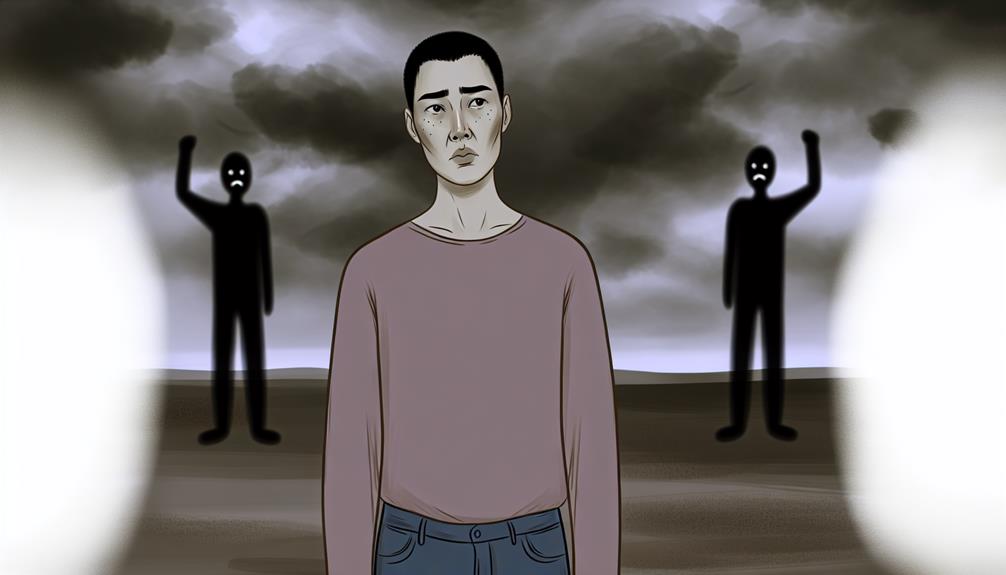
My Wife Doesn’t Know I’m Trans

You’re carrying the weight of secrets and the burden of truth, balancing your hidden identity with your love for your wife. It’s understandable that you’re anxious about how she might react. This expedition of self-discovery isn’t easy, but remember, you’re not alone in this. There are others who’ve walked this path, finding strength in openness. How do you begin to share your truth and welcome your authenticity while honoring your relationship?
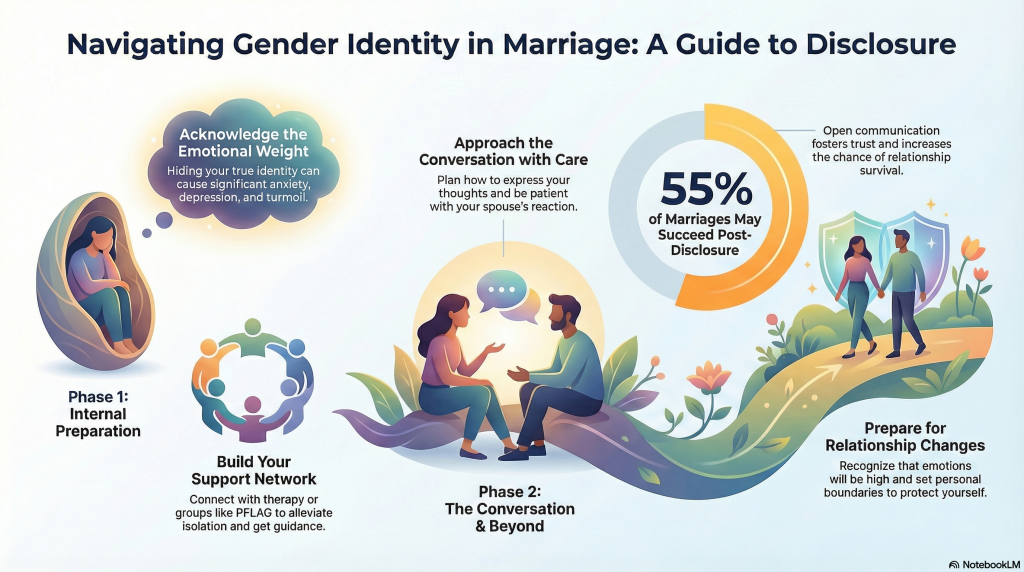

When you hide your true identity, the emotional burden can feel overwhelming. You might find yourself caught in an identity conflict, as you try to navigate the expectations of society while yearning to adopt your authentic self. This internal struggle often leads to emotional turmoil, manifesting as feelings of sadness, loneliness, and confusion. Every day, you may battle anxiety and depression, which can make even the simplest tasks seem insurmountable. The fear of how your partner might react adds another layer of complexity, especially if children are involved. Yet, acknowledging these feelings is a powerful step towards understanding and accepting yourself. Remember, you’re not alone in this path, and finding your truth can lead to profound personal growth and healing.

Steering the experience of coming out as transgender to your partner can feel daunting, but seeking support and building a network can make a significant difference. Engaging with supportive networks like the Straight Spouse Network and PFLAG connects you to community resources and people who understand your expedition. To navigate this course, consider the following:
These steps can empower you to face the change process with confidence.

Although it might feel challenging, being open about your gender identity in a relationship is crucial. Trust building is at the heart of any meaningful partnership, and transparency can strengthen the relationship dynamics you share with your partner. Open communication fosters trust and understanding, important for maintaining a healthy connection. Studies indicate that marriages have a higher chance of survival when partners discuss feelings and identities, with about 55% succeeding post-disclosure. By being honest, you reduce feelings of betrayal and confusion, allowing your partner to process emotions effectively. Engaging in honest dialogue helps both partners experience less emotional distress and misunderstandings. Encouraging your partner to educate themselves about gender identity promotes empathy and support, enhancing resilience during challenging times.
Facing the fear of rejection when coming out as transgender to your partner can be one of the most daunting aspects of revealing your true self. Rejection anxiety is a natural response, but preparing for potential relationship changes can empower you. Here’s how to navigate this identity exploration:
When you’re ready to share your transgender identity with your spouse, approach the conversation with care and thoughtfulness. It’s crucial to reflect on the emotional impact on both of you, steering through feelings with sensitivity. Prepare a structured plan to express your thoughts, helping reduce misunderstandings and clarifying your intentions. Recognize the importance of understanding boundaries, allowing your spouse the time they need to process this revelation. Reactions can vary, so be patient and open to their initial shock or confusion. Keep communication lines open throughout your transition experience, fostering mutual understanding and support. Engaging with resources like the Straight Spouse Network can be invaluable, offering guidance and reassurance as both of you traverse this personal and transformative path together.
If your husband is trans, prioritize trans partner support through open communication strategies. Encourage honest conversations about both your feelings and theirs. It’s okay to feel a mix of emotions—give yourself time to process. Discuss boundaries and expectations as your relationship dynamics may change. Seek support from resources like PFLAG. Empower each other through this experience, ensuring you both feel understood and supported. Foster a loving environment for your family.
Yes, it’s completely normal to not know if you’re trans. Gender identity and self-exploration are expeditions that can take time. You might feel uncertain, and that’s okay. Exploring your feelings is a significant part of understanding yourself. Don’t rush; allow yourself space to reflect. Reach out to supportive communities or professionals who can help. Remember, it’s your path, and you’re entitled to uncover your truth at your own pace.
You don’t *have* to tell your partner you’re trans, but think of it as planting seeds for a healthier relationship. Identity disclosure can transform your relationship dynamics, fostering trust and understanding. It’s your personal path, and you should feel ready before sharing. Approach the conversation with empathy, keeping your partner’s feelings in mind. When you’re prepared, this dialogue can lead to greater connection and mutual support in your relationship.
Yes, it’s okay not to tell people you’re trans. Your privacy concerns are valid, and your personal path is yours alone. You’re empowered to decide who knows, when, and how. Everyone’s experience with their gender identity is unique, and you deserve to navigate it in a way that feels right for you. Trust your instincts, and remember, you’re not obligated to disclose anything unless it feels safe and comfortable for you.
You’ve taken the initial step by acknowledging the burden you’ve carried. Remember, courage isn’t the absence of fear but the decision to face it. Accept your truth with compassion for yourself and your wife. While uncertainty may cloud your path, authenticity can light the way, fostering deeper connections and mutual understanding. You’re not alone in this expedition; countless others have walked this road, and you can draw strength from their stories and the support around you.

 Featured PostsSeptember 20, 2026Full or Partial Transition? Understanding the Options for Older Trans Adults
 Activism and ChangeAugust 27, 2026From Erasure to Oppression: The Rise of Anti-Trans Laws
 Activism and ChangeAugust 27, 2026The Power of Resistance: Lessons From the Stonewall Riots
 Featured PostsAugust 27, 2026Dysphoria: Acknowledging the Pain, Finding Hope