Why Is Inclusive Policy Advocacy Crucial for the Trans Community?
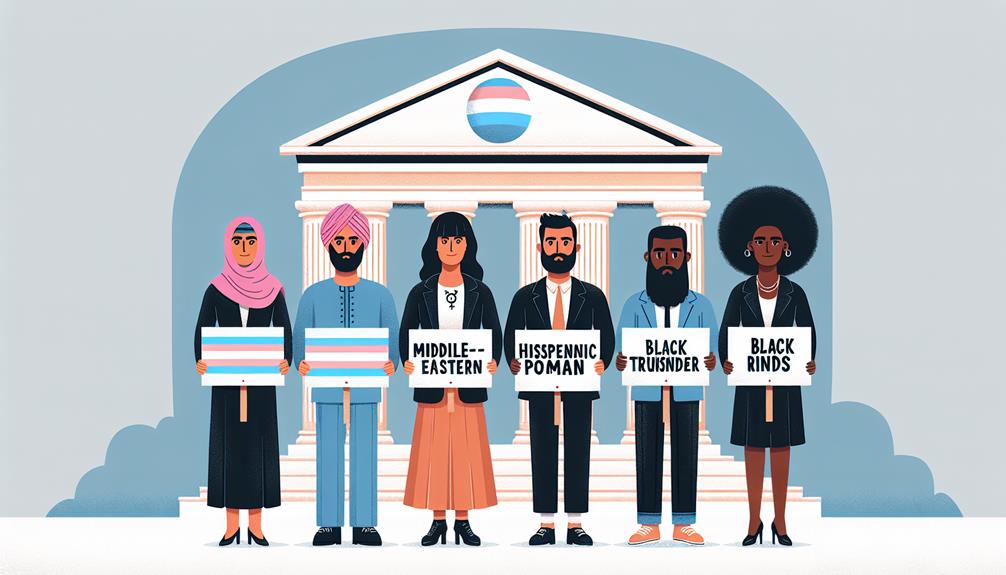
The struggle for transgender rights and acceptance is often symbolized by the uphill battle they face in accessing inclusive policy advocacy. This uphill battle is not just a matter of policy, but a reflection of the broader societal challenges that transgender individuals encounter on a daily basis.
The need for inclusive policy advocacy is not just a matter of legality, but a fundamental necessity for the equitable treatment and well-being of the transgender community. It is a crucial element in the journey towards creating a more just and inclusive society for all.
Exclusionary policies have significantly restricted the rights and well-being of the transgender community, leading to detrimental impacts on their health, safety, and access to essential resources.
The implementation of exclusionary policies has created a myriad of challenges for the trans community, including limited access to inclusive policies, discrimination, and health disparities.
These policies have contributed to the social exclusion and increased vulnerability of transgender individuals to HIV and other diseases. Furthermore, they’ve led to restricted access to education and employment opportunities, perpetuating cycles of poverty and marginalization.
The impact of exclusionary policies extends beyond socioeconomic factors, as they also contribute to frequent episodes of extreme violence towards transgender people. Discrimination and stigma resulting from these exclusionary policies have significantly and negatively impacted the health and well-being of gender minority populations.
Addressing the impact of exclusionary policies through advocacy and policy reform is crucial to advancing the public health and well-being of the transgender community. Inclusive policy advocacy plays a vital role in combating the detrimental effects of exclusionary policies and promoting a more equitable and supportive environment for individuals of all gender identities.
To address healthcare disparities, inclusive policies play a crucial role in reducing inequities for transgender and gender-nonconforming individuals, recognizing and meeting their specific health needs.
Discrimination and Stigma: Exclusionary policies contribute to discrimination faced by transgender and gender-nonconforming people when accessing healthcare, leading to negative health outcomes.
Recognition of Specific Needs: Inclusive policies acknowledge the diverse health needs of trans people, promoting tailored and effective healthcare interventions.
Validation of Identities: Inclusive policies affirm the validity of transgender and gender-nonconforming identities, fostering a supportive environment within healthcare settings.
Promotion of Well-being: By addressing healthcare disparities, inclusive policies contribute to the overall well-being of transgender and gender-nonconforming individuals, promoting equality in access to quality healthcare.
Healthcare disparities for transgender and gender-nonconforming individuals are deeply rooted in exclusionary policies that fail to recognize the unique challenges they face. Inclusive policies are essential in addressing these disparities by affirming their identities, providing tailored healthcare, and promoting a supportive environment within healthcare settings. Such policies are crucial in reducing discrimination and stigma, ultimately leading to improved health outcomes and overall well-being for transgender and gender-nonconforming individuals.
Facing significant challenges in accessing education and employment opportunities, transgender individuals often encounter discrimination and exclusionary policies that negatively impact their economic well-being. This exclusion leads to higher rates of unemployment and underemployment within the trans community, perpetuating economic disparities.
Inclusive policies and practices are crucial for addressing these challenges. Economic equity for transgender individuals is essential for promoting their overall well-being and social development. Advancing employment and economic equity is fundamental in addressing the marginalization and discrimination experienced by the trans community.
Without inclusive policies and advocacy, trans individuals face heightened health risks, including mental health disparities due to minority stress. Additionally, discrimination in the workplace not only jeopardizes their economic stability but also infringes upon their civil rights. Therefore, it’s imperative to advocate for inclusive employment policies to mitigate these disparities and allow transgender individuals to contribute to the workforce without fear of discrimination based on their gender identity.
Ensuring the safety and protection of transgender and gender-nonconforming individuals is a fundamental aspect of promoting their well-being and fostering an inclusive society. Inclusive policy advocacy plays a crucial role in safeguarding the rights and safety of the trans community. This is essential to address the discrimination, health outcomes, civil rights, and disparities they often face.
Creating an inclusive society for transgender and gender-nonconforming individuals requires proactive policy advocacy and societal acceptance.
Inclusive policy advocacy is crucial for improving the health outcomes among the trans community. The National Transgender Discrimination Survey highlights the detrimental effects of discrimination based on gender identity and expression. Inclusive policies, such as nondiscrimination protections, play a vital role in reducing health inequities and promoting the well-being of transgender and gender-nonconforming individuals.
Exclusionary policies contribute to stigma and discrimination, leading to negative impacts on the health and human rights of gender minorities. It’s essential to recognize and address the specific needs of transgender and gender-nonconforming populations through inclusive policies. By doing so, society acknowledges the validity of transgender and gender-nonconforming identities, fostering an environment where equal treatment and acceptance are the norm.
Embracing inclusive policies not only supports the trans community but also contributes to creating a more equitable and compassionate society for all.
Gender affirming care is important for the physical and mental well-being of transgender and gender-nonconforming individuals. It reduces health disparities and improves quality of life.
Inclusive policies and practices are crucial in recognizing and addressing the unique healthcare needs of this community. This care supports individuals in aligning their physical appearance with their gender identity, reducing gender dysphoria and improving mental health outcomes.
It also promotes autonomy and self-determination, contributing to overall health and well-being.
Creating a trans-inclusive workplace involves implementing trans-inclusive policies, providing access to gender-neutral facilities, dress code flexibility, and respectful use of pronouns. It also includes offering support for gender transitions, conducting diversity trainings, and fostering a culture of inclusivity.
Resilience-building measures such as access to mental health resources and support networks are crucial. According to a recent study, 46% of transgender individuals have faced discrimination at work, highlighting the importance of creating supportive environments.
Respecting gender variance in the workplace involves acknowledging and honoring individuals’ chosen names and pronouns. It also includes implementing inclusive restroom policies and providing support for gender transitions. Additionally, offering diversity trainings and fostering an inclusive culture are important.
This approach creates a safe and supportive environment for all employees. By embracing and respecting gender diversity, organizations can promote a sense of belonging and well-being for their trans employees. This, in turn, can lead to increased productivity and a more inclusive work environment.
Respecting individuals’ chosen names and using correct pronouns is essential for creating a trans-inclusive environment.
Ensuring access to gender-neutral or inclusive restrooms can make trans individuals feel more comfortable and respected.
Adopting trans-inclusive practices regarding bathroom use, dress codes, and pronouns is crucial.
Implementing dress code policies that allow for gender expression diversity can promote inclusivity.
These basic signs of trans inclusivity are foundational for supporting trans individuals’ well-being and sense of belonging.
In conclusion, it’s evident that inclusive policy advocacy plays a vital role in addressing the challenges faced by the trans community.
By promoting equal treatment, improving access to resources, and ensuring safety and protection, inclusive policies create a more inclusive and accepting society for all individuals.
It’s clear that embracing inclusive policies is essential for promoting the well-being and rights of transgender individuals.
Originally posted 2024-01-30 15:59:16.

 Featured PostsOctober 8, 2026Say NO to Props 134 & 135 in Colorado
 Featured PostsSeptember 29, 2026A Kansas Law Voided 1,700 Licenses. Now Judges Must Decide Whether It Stands
 Featured PostsSeptember 29, 2026Election Season & Transgender Rights: Reporting Responsibly in a Divided America
 Featured PostsSeptember 29, 2026Privacy, Dignity, and Rights: The Transgender Bathroom Controversy