The Power of Resistance: Lessons From the Stonewall Riots
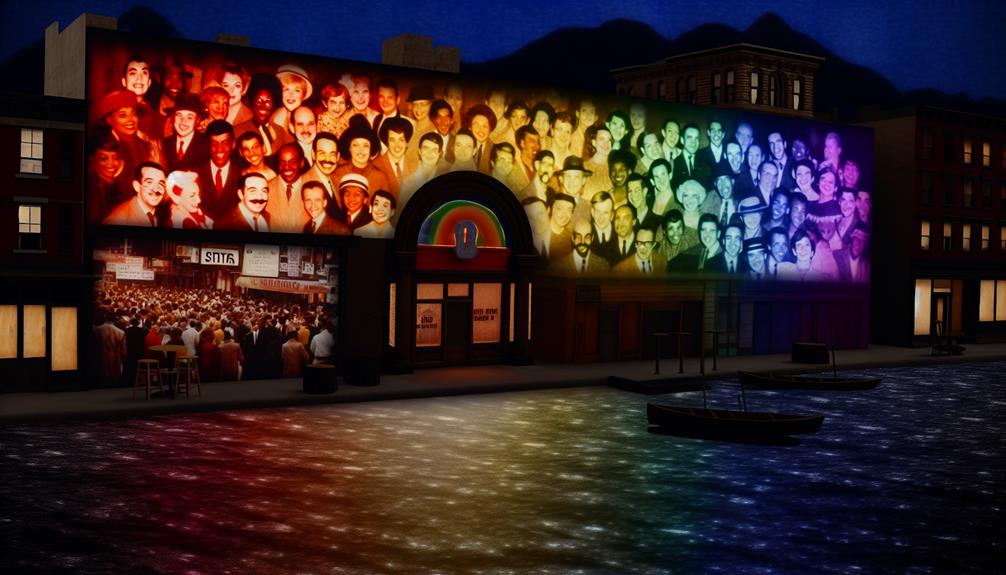
It’s interesting, isn’t it, how the Stonewall Riots began on a quiet summer night, much like any other, yet sparked a movement that changed history? You might wonder why a small bar in New York City became such a powerful symbol of resistance. The truth is, Stonewall wasn’t just a singular event; it was a turning point where marginalized voices demanded change and recognition. When you investigate the conditions of the 1960s, the role of community spaces, and the courage of those who stood up, you’ll uncover crucial lessons about resilience and the ongoing fight for equality. But what exactly fueled this uprising?
How did gay bars become such crucial sanctuaries for the LGBTQ community? Imagine a world where being yourself could lead to arrest or worse. Gay bars, like the famous Stonewall Inn, offered a refuge where you could express your true identity without fear. They weren’t just bars—they were lifelines, significant hubs for building community and solidarity.
Despite their importance, these safe havens faced constant threats. Police raids were not uncommon and served as harsh reminders of the oppressive climate surrounding LGBTQ rights. Imagine the fear and anger when the very places that nurtured your spirit were under siege. Each raid fueled a sense of collective defiance, culminating in a pivotal moment: the Stonewall Riots. Here, the community didn’t just resist—they fought back, forever altering the power dynamics between LGBTQ individuals and law enforcement.
The Stonewall Inn and other gay bars became symbols of resistance and transformation. After the riots, these venues morphed into centers of activism, organizing, and mobilizing the LGBTQ rights movement. They taught us that even in the face of adversity, unity and resistance could spark incredible change, illuminating the path toward equality and acceptance.
The 1960s were marked by a profound sense of oppression for LGBTQ individuals. During this time, homosexuality was criminalized in many parts of the United States. If you were identified as gay, you faced the threat of incarceration, reflecting the deep societal stigma. Police harassment was widespread, with frequent raids on gay bars and establishments. These actions, often justified under liquor laws, created an atmosphere of fear and repression. But amidst this, seeds of resistance were sown.
Activism for LGBTQ rights began to emerge more visibly. Groups like the Mattachine Society challenged these oppressive norms and advocated for the decriminalization of homosexuality. Civil disobedience became a tool to fight back against systemic injustice. Events leading up to the pivotal Stonewall Riots, such as the Compton’s Cafeteria riot in 1966, highlighted ongoing resistance against police brutality.
The Stonewall Riots in 1969 became a symbol of defiance, sparking a new chapter of advocacy and visibility. Through these acts of resistance, the LGBTQ community began to push back, demanding rights and recognition. This phase laid the foundation for a broader movement that continues to fight for equality today.

While the 1960s imposed harsh realities on LGBTQ individuals, the time was also ripe for change. The Stonewall Riots marked a pivotal moment when the LGBTQ community boldly confronted societal norms and police brutality. On June 28, 1969, a police raid at the Stonewall Inn turned into a fierce stand for gay rights, as patrons resisted systemic oppression. Chanting “Gay Power,” they challenged the stigma and discrimination deeply rooted in society.
You see, the Stonewall Riots were more than just an isolated event; they ignited a civil rights movement that demanded justice and equality. Through acts of civil disobedience and unique performances, individuals asserted their identities, pushing for visibility and acceptance. The riots inspired the formation of activist groups like the Gay Liberation Front, which actively worked to confront and change societal norms surrounding gender and sexual orientation.
This legacy of Stonewall continues to resonate today, teaching us the power of collective resistance. By challenging unfair societal expectations, the LGBTQ community paved the way for future generations to fight for their rights. Remember, confronting societal norms is crucial for achieving equality and justice for all marginalized communities.
Amidst the backdrop of historical marginalization, LGBTQ+ individuals have faced alarming medical misconduct rooted in prejudiced beliefs about their identities. For years, health care systems subjected LGBTQ+ people, especially transgender individuals, to harmful practices like forced sterilizations and conversion therapies. These actions were driven by discrimination, ignoring the legitimacy of diverse sexual and gender identities.
Though the American Psychiatric Association declassified homosexuality as a mental disorder in 1973, the struggle didn’t end there. LGBTQ+ individuals still encounter bias and inadequate treatment in healthcare settings. Transgender patients often face significant barriers when seeking gender-affirming care, leading to increased health disparities. Discrimination in medical environments can worsen mental health outcomes, with studies showing higher rates of sadness and hopelessness among LGBTQ youth compared to their heterosexual peers.
Addressing these issues requires advocacy for systemic change in healthcare. Emphasizing cultural competency training for medical professionals is vital to guarantee equitable treatment. By acknowledging past medical misconduct and pushing for informed, compassionate care, you can contribute to a future where LGBTQ+ individuals receive the respect and support they deserve in all health care settings.

On June 28, 1969, a pivotal moment in LGBTQ history unfolded when patrons of the Stonewall Inn boldly resisted a police raid. The Stonewall Uprising began as stonewall patrons, tired of the constant harassment, decided enough was enough. Police raided the bar, expecting the usual compliance, but this time, the crowd fought back. This act of defiance against routine discrimination sparked several nights of protests and clashes with law enforcement, marking a turning point for the LGBTQ movement.
Key figures like Marsha P. Johnson and Sylvia Rivera played significant roles in these events. Their courage and determination inspired others to advocate for their rights and visibility. The uprising didn’t just end with the protests; it set the stage for a broader movement. Here’s what emerged from this powerful resistance:
The uprising showed that when people unite, they can change the world.
The Stonewall Riots ignited a cultural awakening, rallying the LGBTQ community to challenge systemic oppression and fight for fair rights. You see, it wasn’t just about a single night of resistance; it was a powerful statement that people who identified as gay had had enough. Patrons at the Stonewall Inn, fed up with the constant harassment, rose up together, chanting “Gay Power.” This collective cry for rights and recognition was a pivotal turning point for the gay community.
You can imagine the impact of seeing people openly resist the norms that had oppressed them for so long. It was a wake-up call, not only for those involved but for society at large. The riots made it clear that LGBTQ individuals weren’t going to remain silent anymore. They demanded to be seen, heard, and treated fairly. This shift in attitude led to the creation of organizations dedicated to LGBTQ rights, transforming marginalization into organized resistance.
The cultural awakening from Stonewall also paved the way for annual Pride celebrations. These events honor the riots and continue advocating for LGBTQ fairness, reminding us of the power of community and resistance in demanding change.
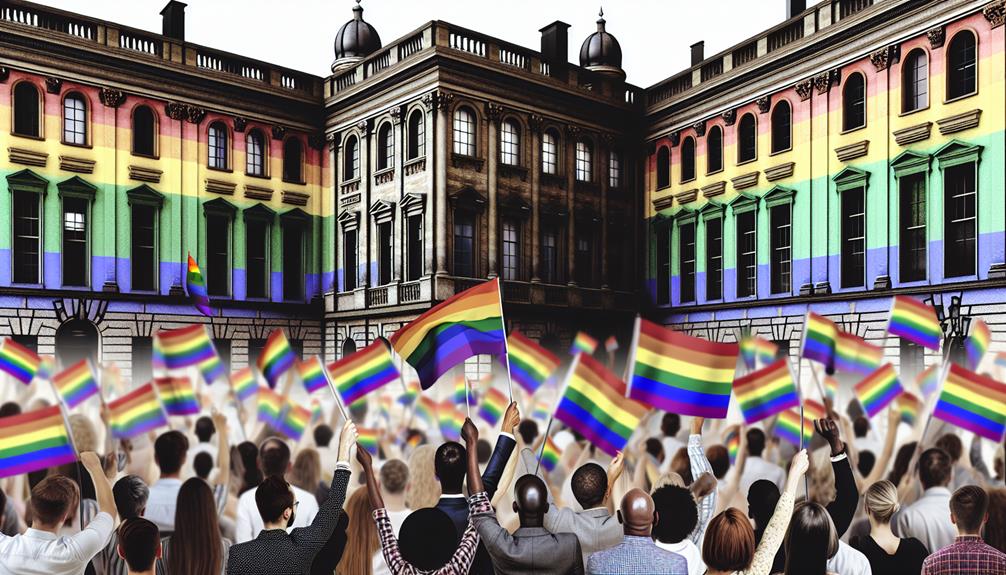
Stonewall’s legacy of empowerment is evident in the many activist organizations it inspired, including the Gay Liberation Front. This significant uprising taught us the powerful impact of resistance and community organizing on the fight for LGBTQ rights. It wasn’t just about one night of rebellion; it was about the long-term empowerment of a community that refused to be silenced.
You can see the ongoing influence of Stonewall in several key developments:
You can’t overlook the significance of the Stonewall Riots. They symbolize a powerful stand against oppression, igniting the modern LGBTQ rights movement. When marginalized voices united, they sent a clear message: enough is enough. These events taught you that community organizing and solidarity are key in the fight for equality. Stonewall didn’t just change laws; it changed hearts and minds, showing you the transformative power of resilience and collective action.
Understanding Stonewall’s history is like revealing a trove of resilience and rights. You see, it’s essential for Americans because it teaches how collective action can dismantle oppression. By knowing these roots, you grasp the importance of unity in fighting discrimination. Stonewall’s legacy reminds you that progress doesn’t happen overnight; it needs courage, persistence, and solidarity. Embracing this history empowers you to champion equality and inclusivity today.
The Stonewall Riots changed everything for LGBTQ+ rights. You see, they sparked a global movement, making people realize they could fight back against discrimination. This led to the formation of activist groups, like the Gay Liberation Front, and the initial Pride march, celebrating identity and demanding equality. Stonewall showed that when you stand together, you can challenge societal norms and push for legal changes, paving the way for future generations.
Imagine over 200 LGBTQ+ people resisting oppression at once. A primary source for the Stonewall Rebellion is eyewitness accounts, capturing the raw emotions and events on June 28, 1969. You can almost feel the tension and bravery in personal testimonies. These accounts, along with photographs, illustrate the determination and courage displayed during the uprising. They offer a vivid, initial look into a pivotal moment that sparked global change.
You’ve seen how the Stonewall Riots were like a spark that ignited a powerful movement for change. Just like a river carving through rock, the LGBTQ community’s resistance reshaped societal norms and attitudes. Remember, the legacy of Stonewall teaches us to challenge injustice and stand in solidarity with one another. By honoring this history, you carry forward the fight for equality and visibility, ensuring that every voice is heard and valued in the ongoing expedition toward justice.

 Featured PostsSeptember 5, 2026Administration Move Targets Trans Visibility
 Featured PostsAugust 27, 2026A Guide to Dating a Trans Woman
 Featured PostsAugust 27, 2026What Is Gender Dysphoria, and How Is It Treated?
 News and AdvocacyAugust 27, 2026Trump Says Hospitals Are Reversing Trans Surgeries “At My Order” — There’s No Evidence