From Closet to Catwalk: Essential Fashion Advice for Trans Women
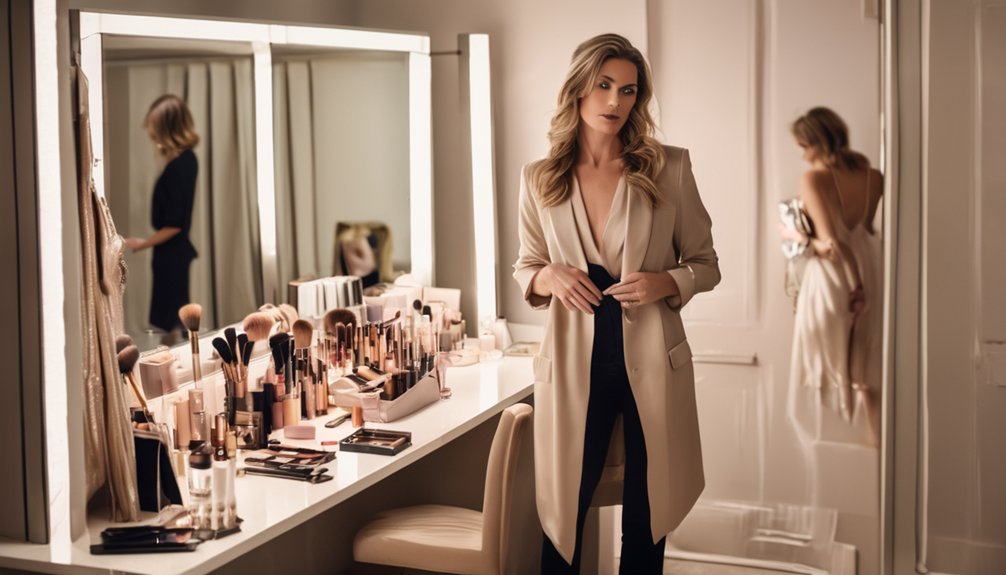
You can feel invisible in your old clothes and unmistakably seen in the right fit. Start by taking a few key measurements—bust, underbust, waist, hip, and inseam—so women’s sizing stops feeling like a guessing game. Check your skin undertone with a quick daylight test, then choose colors that make your face look rested, not washed out. Build a small, versatile wardrobe that skims where you want ease and supports where you want shape—because next comes the part that changes everything…


Where do you start if women’s sizing feels inconsistent or dysphoria makes shopping harder? You start with numbers you control. Grab a soft tape, breathe, and take body measurements in a mirror or with a trusted friend. Measure bust at the fullest point, underbust for bra bands, waist at the narrowest point, hips at the widest point, and inseam from crotch to ankle. Write everything down in inches and centimeters so you can shop anywhere. Then match your numbers to brand sizing charts, not the tag on your old jeans. If you’re between sizes, choose based on comfort: size up for a softer drape, down for a sleeker line. Re-measure every few months.

Ever wonder why a “perfect” shade looks amazing on someone else but makes you feel washed out? It’s usually undertone, not your body. Try this quick at-home test: stand in natural light, hold a plain white sheet of paper under your chin, and look at your skin (not surface redness). If you read more pink, blue, or rosy, you’re likely cool; if you read more yellow, peach, or golden, you’re warm; if it’s hard to tell, you’re neutral. Then test jewelry: silver flatters cool, gold flatters warm. Use color psychology to pick tones that energize or soften your mood, and investigate seasonal palettes (like Winter, Spring) as flexible guides, not rules.

Add nude-to-you underwear, a supportive bra, and one comfy shoe (loafers or low block heel). Choose pieces you can return if sizing’s off.
Once you’ve got a starter wardrobe you can rely on, you can start shaping it into a personal style that helps you feel more like yourself and less on display. Treat style exploration like a low-stakes experiment: notice what silhouettes calm dysphoria and what details draw attention where you don’t want it. Use your measurements (bust, waist, hip, inseam) to choose cuts that skim instead of cling, and size for comfort, not the tag. Track which necklines, rises, and sleeve lengths make your shoulders, chest, or hips feel balanced. Build a small inspiration board and look for repeat themes in color, texture, and vibe. When an outfit feels grounding, repeat it—outfit confidence grows through consistency and fit.
Three accessories do most of the heavy lifting—shoes, a bag, and a bit of jewelry—and they should make you feel steady in your body before they make you look “put together.” Start with comfort tips: your feet may change size, so fit comes foremost, then shoe trends like a block heel, sleek sneaker, or supportive loafer. Choose bag necessities that match your day: hands-free crossbody for errands, roomy tote when pockets vanish, or a small clutch for nights out. Keep jewelry close to your undertone and your skin: silver for cool, gold for warm, and avoid cheap metals that irritate.
Like threading a needle, you handle workplace dress codes by starting with Workplace policies and aiming for Dress code compliance while expressing yourself. Ask HR for the written code, then pick gender-neutral basics in breathable fabrics that fit your measurements and feel good. Build a small capsule wardrobe, adjusting silhouettes to reduce dysphoria without sacrificing comfort. Use simple accessories aligned with your undertone, and keep return options when buying online.
Use online shopping with discreet packaging and ship to a locker, pickup point, or trusted friend so you control delivery. Keep a private email, turn off order notifications on shared devices, and use gift receipts. Know your bust, waist, hips, and inseam, then buy a few basics with easy returns. Try secondhand for low-risk experimentation. Choose breathable fabrics, and tailor or hand-sew small fit tweaks.
Set a monthly cap and build slowly: start with wardrobe necessities you’ll wear weekly, then add statement pieces later. Track your measurements so you don’t waste money on poor fit, and prioritize comfort-friendly cuts that ease dysphoria. Use thrift shopping to test styles cheaply, and shop secondhand for quality fabrics. Avoid fast fashion, wait for sales, and only buy items you can return if sizing’s off.
Dress for safety by choosing low-key, well-fitting layers you can adjust quickly, and prioritize comfort so you can move confidently. Pack travel necessities: a versatile jacket, breathable basics, comfy closed-toe shoes, and a roomy bag that keeps hands free. Use safety tips like avoiding flashy jewelry, carrying a backup top, and keeping ID, cash, and phone accessible. Trust your instincts, and build outfits around what feels affirming.
You can find trans-friendly tailors by asking LGBTQ+ centers and trans-led local resources for vetted recommendations, then checking reviews for “gender-affirming” language. You can also post in online communities like local trans Facebook groups, Reddit city subs, and queer Discords to get names fast. Call ahead, state your goals and measurements, and confirm fitting-room privacy. Trust your body: you deserve respectful service and good fit.
You’ve measured, matched undertones, and built a starter wardrobe like a CEO of Soft Fabrics, Inc.—because apparently your body needed a quarterly report before it could slay. You’ve chosen silhouettes that calm dysphoria, not amplify it, and you’ve learned your style isn’t “too much,” it’s the point. Now accessorize with comfort-first shoes, a bag that works, and jewelry that sparks joy. Congrats: you’re not dressing up—you’re showing up.

 Fashion and ExpressionFebruary 9, 2026From Closet to Catwalk: Essential Fashion Advice for Trans Women
 Featured PostsFebruary 9, 2026What I Do As a Trans Woman To Take Care of My Mental Health
 Featured PostsFebruary 9, 2026FTM Fitness: Targeted Workouts for a Masculine Silhouette
 Activism and ChangeFebruary 7, 2026Full Circle: The 45-Year Journey Back to the Scouts