Beyond the Bigotry: Challenging Anti-LGBTQ Talking Points
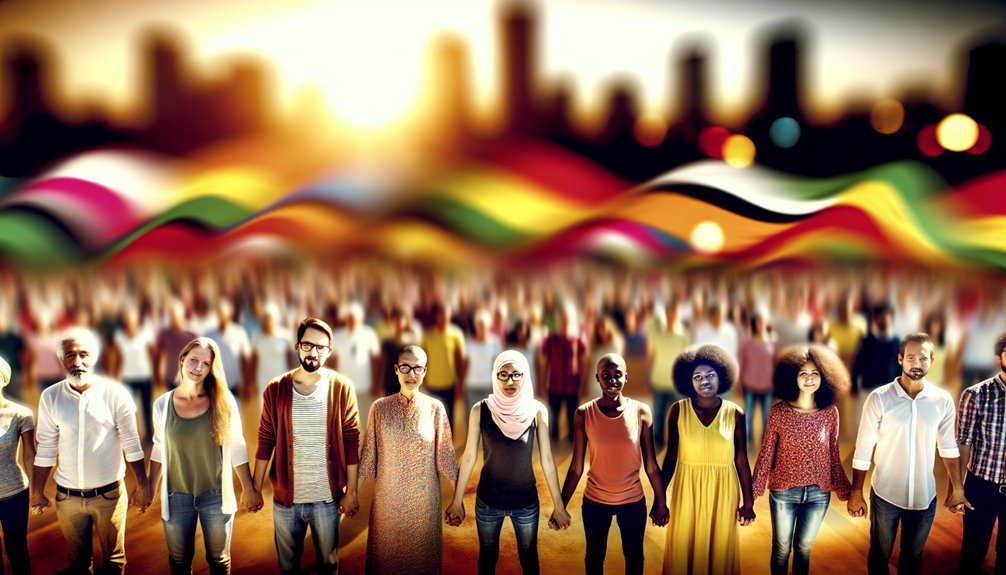
You’re about to commence an expedition to dismantle common anti-LGBTQ claims. By understanding misconceptions and diving into scientific evidence, you’ll become equipped to challenge stereotypes. You’ll also investigate religious and cultural concerns, hear personal stories, and learn effective communication strategies. This guide’s designed to empower you to foster empathy and inclusivity. Curious about how you can make a difference in creating a more accepting world? There’s so much to uncover.
Why do misconceptions about the LGBTQ community persist despite increased visibility and awareness? You’re probably wondering why some myths just won’t go away. It’s often because people hold onto outdated beliefs or rely on stereotypes. To see real change, it’s crucial to focus on myths debunked and stigma reduction. You can start by educating yourself and others about the diverse experiences within the LGBTQ community. Engage in conversations that challenge these misconceptions and highlight personal stories that break stereotypes. By doing so, you help create a more inclusive environment. Remember, change begins with understanding and empathy. When you actively combat prejudice, you contribute to a world where everyone feels accepted, regardless of their identity.

While it might seem daunting to sift through the vast amount of information available, highlighting scientific evidence is essential for understanding and supporting the LGBTQ community. You can rely on scientific research to debunk myths and foster acceptance. Here’s how you can effectively use data analysis:

When discussing LGBTQ issues, it’s vital to address religious and cultural concerns with sensitivity and understanding. You might encounter diverse perspectives rooted in religious beliefs and cultural practices. It’s significant to listen and engage in respectful dialogue. By acknowledging these concerns, you can foster more inclusive conversations. Here’s a simple table to help you navigate different viewpoints:
| Aspect | Approach |
|---|---|
| Religious Beliefs | Respect and ask open questions |
| Cultural Practices | Learn and share your perspectives |
| Dialogues | Encourage empathy |
| Common Ground | Find shared values |
| Education | Provide factual information |
Good communication is the cornerstone of understanding and respect in any relationship, especially for those in the LGBTQ community. To foster effective dialogue, focus on listening actively and responding with empathy. When you engage in conversations about LGBTQ issues, it’s essential to approach them with an open mind and a compassionate outreach. This means acknowledging different perspectives and validating feelings, even if you don’t agree. Use inclusive language to guarantee everyone feels respected and valued. Don’t shy away from asking questions if you’re unsure about something; curiosity shows your willingness to learn. Remember, the goal is not to win an argument but to build bridges of understanding. With patience and practice, you can create a more accepting and supportive environment.
Imagine your friend, Alex, nervously sitting across from you, ready to share their truth. You can offer coming out support by simply listening and providing emotional reassurance. Let them know you’re there, celebrate their courage, and remind them they’re not alone. A simple, “I’m proud of you,” can mean the world. Be patient, respect their pace, and keep supporting them through the ups and downs of their path.
You might notice workplace discrimination through exclusionary language or jokes targeting LGBTQ individuals. If there’s a lack of inclusive policies or if diversity initiatives seem superficial, that’s a red flag. A toxic culture can manifest in hesitance to address discriminatory behavior or if LGBTQ employees feel uncomfortable being open about their identities. Pay attention to how leadership responds to diversity concerns—supportive environments actively promote inclusivity and equal opportunities.
To promote LGBTQ inclusivity in schools, you can start by integrating an LGBTQ curriculum that highlights diverse identities and experiences. Implement inclusive policies that guarantee every student feels safe and respected, regardless of their orientation or identity. Encourage teacher training on LGBTQ issues to foster understanding and empathy. Create support groups for LGBTQ students and allies, and celebrate LGBTQ history and culture through events and activities to cultivate a welcoming environment.
Imagine a world where economic growth stagnates. Anti-LGBTQ policies can lead to that reality, impacting workforce productivity. When you create an unwelcoming environment, talented individuals might leave, seeking inclusive workplaces elsewhere. This brain drain stifles innovation and economic potential. Businesses lose diverse perspectives that drive creativity and problem-solving. By embracing inclusivity, you guarantee a thriving economy, where everyone contributes to a vibrant, productive society. Don’t let prejudice hold you back.
You know how media representation plays an essential role in shaping perceptions. For LGBTQ youth, visibility impact can’t be overstated. When you observe positive portrayals, it helps in identity formation and enhances self-esteem. It shows that you’re not alone, which is tremendously empowering. On the flip side, negative representation can lead to feelings of isolation and self-doubt. So, it’s important that media fosters inclusive and accurate depictions, supporting healthy identity development.
You’ve learned how to tackle myths with facts and empathy. Did you know that 80% of people who engage in open conversations about LGBTQ issues report a change in attitude? This shows the power of dialogue and education. Use these tools to challenge stereotypes and create understanding. By staying informed and compassionate, you can help build a more inclusive world where everyone feels accepted and valued. Keep talking, keep learning, and keep breaking the hate.

 Featured PostsFebruary 20, 2026Trans Adult Healthcare Under Siege as Project 2025 Architect Seeks Gender‑Affirming Care Ban
 Featured PostsFebruary 20, 2026Tennessee Lawmakers Approve Controversial Bill Permitting Discrimination Against Same-Sex Marriages
 Featured PostsFebruary 19, 2026Pride, Policy, and Punishment: LGBTQ+ Federal Employees Fight Back in Court
 News and AdvocacyFebruary 18, 2026Kansas Republicans Push Through Historic Trans Bathroom Bounty, Overriding Governor’s Veto