Trans Rights Vs Women's Rights
Imagine a workplace where a transgender woman and a cisgender woman both face discrimination and bias. You might wonder, does advocating for one group’s rights take away from the other? It’s crucial to recognize that both groups often face overlapping challenges, like unequal pay or lack of representation. By understanding how these issues intersect, you’ll see that supporting trans rights and women’s rights can create a stronger, united front against inequality. How can we address both without sidelining either?
Understanding intersectionality is key to recognizing how different forms of discrimination overlap and affect individuals in distinctive ways. For example, consider trans women and girls who face unique challenges. Assigned at birth as male, they often experience gender-based discrimination similar to other women, but they also encounter transphobia. This dual layer of discrimination can make their experiences more complex.
Intersectionality helps you see how these overlapping issues impact access to single-sex spaces. While some might argue that these spaces should be women based, it’s essential to understand that excluding trans women and girls only adds to their marginalization. It’s about finding a balance that respects everyone’s rights and needs.
By using intersectionality as a lens, you can appreciate the different struggles faced by women from diverse backgrounds. For instance, a trans woman might face barriers in both the healthcare system and the workplace, challenges that are often intensified by her gender identity and the sex she was assigned at birth.
Incorporating intersectionality into your understanding of gender-based discrimination ensures that all women, including trans women and girls, are supported in the fight for equality and inclusion. This approach strengthens collective efforts against oppression and fosters a more inclusive society.
Many people mistakenly believe that advocating for trans rights and women’s rights are mutually exclusive endeavors. This misconception stems from the idea that supporting one group means neglecting the other. In reality, both trans rights and women’s rights are part of the broader fight for gender equality.
For instance, some think that allowing trans women access to women-only spaces jeopardizes the safety of cisgender women. However, studies show that trans women are more likely to face violence and discrimination themselves. Ensuring safe spaces for trans women doesn’t take away from the safety of cisgender women; it strengthens protection for all women.
Another common misconception is that focusing on trans rights diminishes the progress of women’s rights. Yet, the principle of intersectionality teaches us that the fight for equality must include all marginalized groups. By advocating for trans rights, you also support a more inclusive definition of women’s rights.
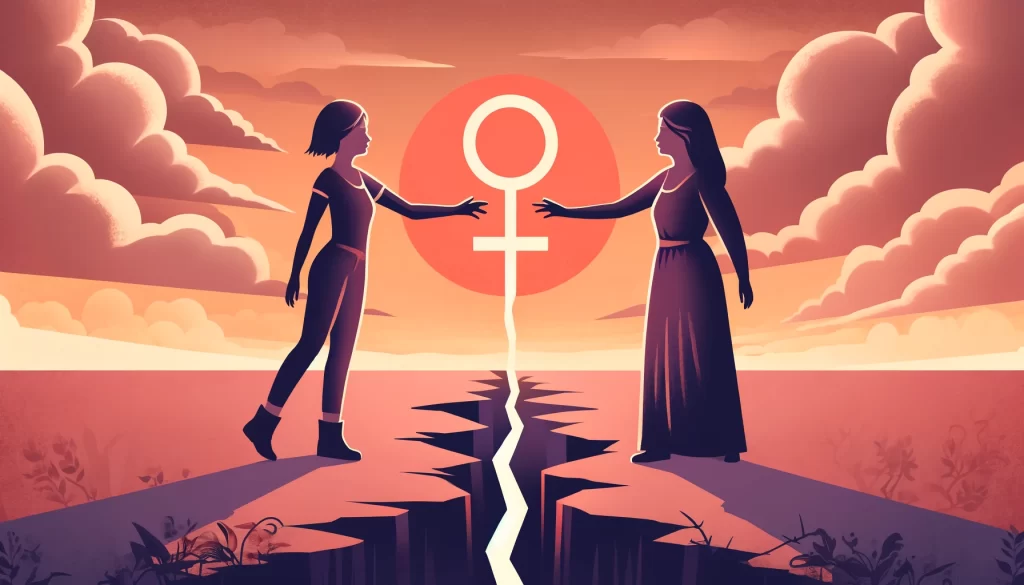
Gender justice isn’t a zero-sum game. Defending trans rights and women’s rights together creates a stronger, united front against discrimination. Recognizing the interconnectedness of these struggles is crucial for fostering an inclusive and equitable society for everyone. Advocating for one group doesn’t have to come at the cost of the other.
While misconceptions often cloud the discussion, the legal protections for both trans rights and women’s rights highlight a shared commitment to ending discrimination.
For trans people, legal protections include anti-discrimination laws in areas like employment, housing, and public accommodations. These laws aim to reduce the gender-based discrimination that marginalized individuals frequently face. For example, a trans person can legally challenge an employer who discriminates against them based on their gender identity.
Women’s rights are also safeguarded through different laws. The Equal Pay Act guarantees that women receive equal pay for equal work, and Title IX addresses gender discrimination in education. These protections are essential for combating gender-based discrimination and creating a more equitable society.
Despite these legal advancements, challenges remain. Trans individuals often encounter legal barriers when accessing healthcare, changing their legal documents, or moving through gender-specific spaces.
Likewise, women continue to fight for protections against gender-based violence, reproductive rights, and workplace equality.
Advocating for both trans rights and women’s rights is essential to achieving true gender equality. By understanding the intersectionality of these issues, you can help create a more inclusive and equitable society. Advocacy in this particular situation means actively supporting the rights and dignity of both transgender people and women, recognizing that these struggles are interconnected.
To be an effective ally, consider these actions:
Moving forward together means combining the strengths of both trans and women’s rights movements to create a more inclusive and equitable society. By recognizing the intersectionality of these movements, you can see how they face common challenges like discrimination and harmful stereotypes.
For example, both trans individuals and women often confront workplace bias and societal expectations that limit their opportunities.
To advance gender equality, it’s crucial to build solidarity between these groups. When you support both trans and women’s rights, you’re not just helping one group; you’re empowering everyone to live free from oppression. Collaborative efforts can address broader issues, such as access to healthcare and protection from violence, benefiting all genders.
One way to foster connection is through shared advocacy campaigns. By joining forces in marches, petitions, and educational programs, you can amplify the message that equality for one group doesn’t mean less for another. Instead, it means a stronger, more unified fight for justice.
Ultimately, embracing a collaborative approach will help bridge divides and create a united front. This unity can lead to more effective solutions and a society where everyone enjoys equal rights and opportunities.
When thinking about how trans rights impact women’s spaces and safety, consider that inclusivity doesn’t inherently increase risk. For example, allowing trans women into women’s shelters or restrooms doesn’t compromise safety, as everyone follows the same rules.
It’s crucial to focus on behavior, not identity. Ensuring safety measures for all can help create spaces where everyone feels secure and respected, regardless of their gender identity.
You can support trans rights and uphold feminist principles at the same time. It’s no coincidence that both movements fight for equality and against discrimination.
Think about it: advocating for trans rights means recognizing diverse identities, which aligns with feminism’s goal of challenging traditional gender norms. By supporting both, you create a more inclusive society that values every individual’s rights and dignity.
It’s a win for everyone.
Yes, there are countries successfully integrating trans rights with women’s rights.
For instance, in Canada, both trans and women’s rights are protected under the Canadian Human Rights Act.
Likewise, in Argentina, the Gender Identity Law allows individuals to self-identify their gender, fostering inclusivity.
These examples show that it’s possible to uphold both trans and women’s rights, promoting equality for everyone.
Did you know that 70% of people believe that dialogue is key to resolving conflicts?
To foster dialogue between trans and women’s rights activists, you can start by organizing joint workshops and forums.
Create safe spaces where everyone can share their experiences and listen actively. Encourage collaboration on common goals, like combating gender-based violence.
You might find that educational institutions play a key role in supporting both trans and women’s rights by promoting inclusive policies, providing safe spaces, and offering extensive education on gender issues.
Schools can implement anti-discrimination policies, train staff on inclusivity, and create support groups for all genders.
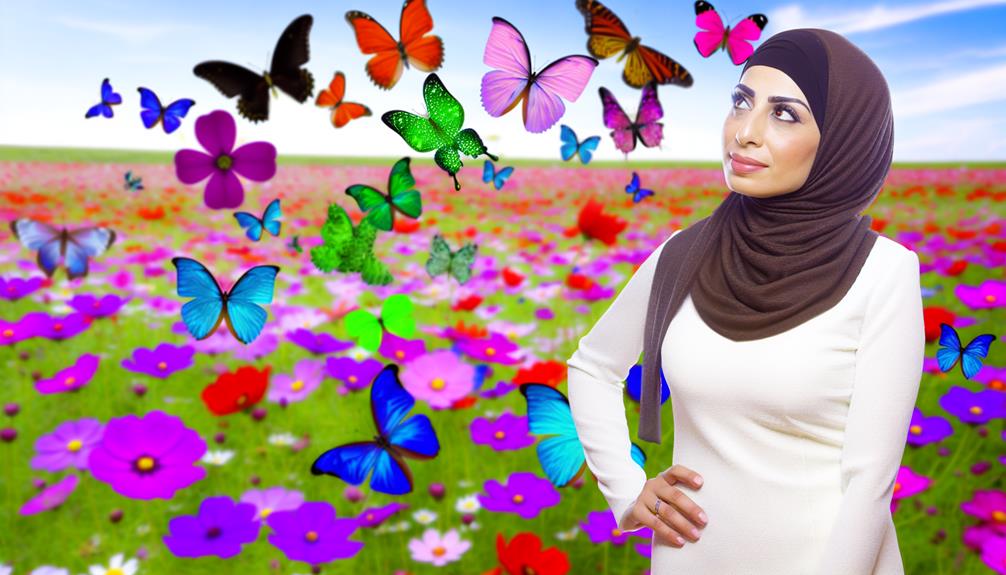
Imagine a garden where every flower, regardless of its type, needs sunlight and water to thrive. Trans rights and women’s rights are like different flowers in this garden. By nurturing both, you help the entire garden flourish.
So, don’t think of it as ‘trans vs. women‘; instead, see it as working together to create a vibrant, inclusive world. Just like diverse flowers, diverse people make the garden of society more beautiful and strong.
Originally posted 2024-05-22 10:44:51.

 Featured PostsOctober 21, 2026The Trans Journey to Passing
 Featured PostsOctober 17, 2026One Step Closer: Trans and Passing
 Featured PostsOctober 14, 2026Navigating Manhood: The Challenges FTM Individuals Face
 Activism and ChangeOctober 14, 2026I’m I7 and Male, I Don’t Know Whether or Not I am a Trans Girl