Beyond Cup Size: Essential Pre-Surgery Knowledge for MTF Breast Augmentation

MTF breast augmentation involves awareness beyond just cup size. Begin by understanding how hormone therapy impacts breast tissue development. Genetics and prior hormonal exposure play significant roles, influencing how your skin and tissue accommodate implants. Your emotional readiness is just as crucial; realistic expectations dramatically affect satisfaction. Educate yourself on surgical techniques and recovery processes, such as implant placements and incision types, to guarantee desired outcomes. Be aware of potential risks, like changes in sensation and complications from large implants. These factors collectively guide your path, and there’s much more to investigate about each of them to support your decisions.
When diving into the domain of hormone therapy and its impact on MTF breast augmentation, it’s essential to get a handle on how hormone replacement therapy (HRT) can shape your course. HRT is a powerful tool for trans women, fostering the development of breast tissue and potentially enhancing breast volume over time. While not mandatory for breast augmentation, gender-affirming hormone therapy often plays a significant role in preparing your body by promoting natural breast growth.
Starting HRT early, ideally during puberty, can lead to more favorable outcomes. This timing helps counteract the effects of testosterone, which may cause irreversible changes to breast tissue. If you begin HRT later, you might experience less substantial growth, but it can still contribute positively to your breast volume before any surgical intervention.
The type of hormone used is also vital. Studies show that estradiol can lead to larger breast volumes compared to ethinyl estradiol. Satisfaction with breast volume post-HRT stands at 68%, with those starting hormones earlier generally expressing higher contentment. Understanding how hormone replacement therapy influences breast development will empower you to make informed decisions about your body and augment your experience.
Breast tissue characteristics play a vital role in the outcomes of MTF breast augmentation. As a transgender patient, understanding these characteristics can greatly impact your surgical results. Factors like genetics, hormonal exposure, and body composition all shape your breast tissue. For instance, hormone therapy might have already influenced your breast tissue development, making it significant to contemplate this when planning your augmentation.
Transgender patients often face unique challenges due to tighter chest skin from male puberty. This necessitates careful implant size selection to avoid complications such as excessive stretching or rippling. Furthermore, your skin’s elasticity is critical in determining how well it can accommodate implants, guiding tailored surgical strategies.
| Factor | Impact on Surgery | Consideration |
|---|---|---|
| Hormonal Exposure | Influences tissue development | Evaluate pre-surgery HRT |
| Skin Elasticity | Affects implant accommodation | Assess during consultation |
| Pre-existing Tissue | Alters aesthetic outcomes | Not vital for augmentation |
Even without natural breast tissue, successful augmentation is possible. It’s vital to discuss these elements with your surgeon, who can assess your breast tissue characteristics and suggest the best approach. By understanding these factors, you can make informed decisions that align with your goals and expectations.

Understanding the physical aspects of MTF breast augmentation is only part of the process; acknowledging psychological readiness and setting realistic expectations are likewise significant. Your emotional well-being can greatly influence how satisfied you feel post-surgery. It’s key to approach breast augmentation with a mindset that appreciates the uniqueness of your body and personal expedition. Studies show that realistic expectations are critical, with 68% of participants satisfied with their breast size after surgery. This underlines the importance of setting achievable goals for yourself.
Engaging in open conversations with healthcare providers about your desires and concerns is crucial. This dialogue fosters a better understanding of the psychological impacts associated with breast augmentation and helps tailor psychological support to your needs. Notably, satisfaction rates vary, especially among individuals who experienced early puberty suppression. Only 57% of them felt content, compared to 76% in the late PS group, indicating the necessity for personalized psychological support.
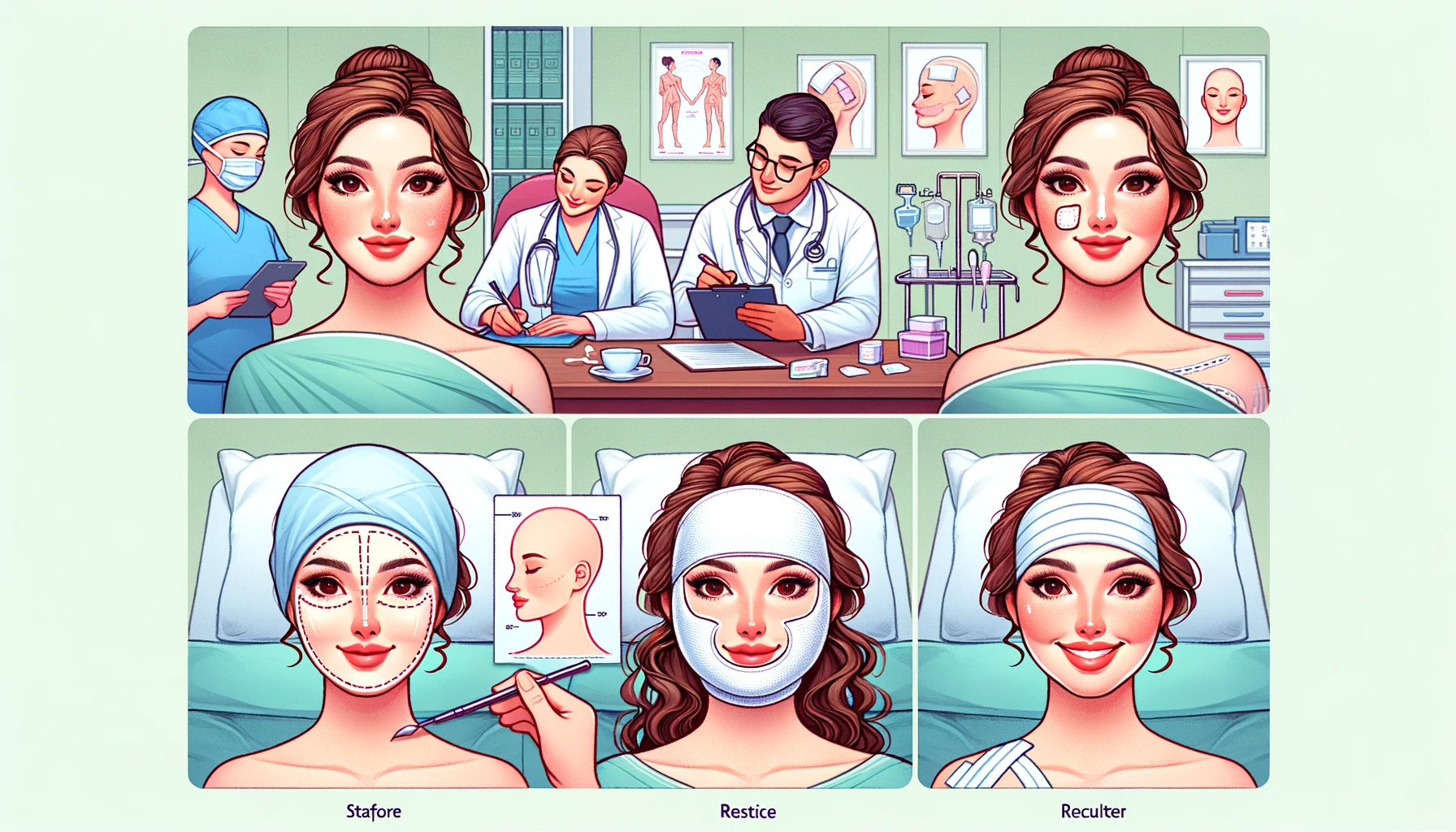
In MTF breast augmentation, surgical techniques and recovery processes are fundamental to achieving satisfying results. Selecting the right implant placement is vital. You can choose between subglandular, where implants are placed over the pectoral muscles, or submuscular, which often provides a more natural appearance. Each choice has its benefits, so discuss them thoroughly with your surgeon. The incision types available—such as inframammary, peri-areolar, and trans-axillary—impact scarring and recovery. Your surgeon will help determine the best option based on your anatomy and desired outcomes.
| Surgical Techniques | Recovery Protocols | Post-Operative Care |
|---|---|---|
| Implant Placement | Wear surgical bra | Follow-up appointments |
| Subglandular | Avoid driving | Pain management |
| Submuscular | Light exercise | Activity restrictions |
Recovery protocols are designed to guarantee a smooth healing process. You’ll need to wear a surgical bra for two weeks, and driving is off-limits during the initial week. Light exercise can resume after two weeks, but remember, the final breast shape settles around 10-12 weeks post-surgery. Post-operative care is vital; it includes regular follow-up appointments to monitor healing and managing any discomfort. Adhering to these guidelines is key to achieving the best possible results.
As you prepare for MTF breast augmentation, it’s important to take into account not just the techniques and recovery but also the potential risks and outcomes. Understanding the possible complications can greatly affect your satisfaction level afterward. Larger implants, especially those above 450ml, can increase risks like back pain, tissue damage, or premature sagging. It’s necessary to balance your size choice with these potential issues in mind.
Post-operative complications, although relatively low, can include infections, scarring, and capsular contracture. Moreover, changes in nipple and breast sensation are common. Surprisingly, some patients report increased sexual satisfaction despite these changes. Having realistic expectations is significant since breast volume doesn’t always correlate with hormone levels or satisfaction.
Here are some key points to keep in mind:
When you think of fat transfer breast augmentation, imagine painting a canvas. Each stroke symbolizes a cup size potentially achieved. Typically, you can anticipate an increase of about one cup size, contingent on available donor fat. The process resembles crafting a masterpiece; it requires precision and patience. Like art, results vary, with 30-50% of the transferred fat absorbed. Consulting with a skilled surgeon guarantees your vision aligns with realistic outcomes.
You’re probably wondering how big MTF breasts can get. It’s not just about choosing a size; factors like chest width, skin elasticity, and body type greatly influence the outcome. While implant sizes typically range from 200cc to 500cc, larger sizes may cause complications. Most patients end up choosing between 300cc and 400cc. Consulting with your surgeon about your goals and body characteristics can help you achieve a satisfying result.
To achieve a full D cup, you’ll typically need implants ranging from 400cc to 500cc. However, this can vary based on your body type, chest width, and desired breast shape. Remember, implant sizes are in cubic centimeters, not bra sizes, so consulting with a surgeon is crucial. They’ll help you determine the right volume for your unique body characteristics and goals, ensuring your expectations align with the surgical outcome.
You’ll need to meet several pre-op requirements for breast augmentation. Start with a detailed consultation with a board-certified surgeon to discuss your needs, medical history, and aesthetic goals. Psychological evaluations can help guarantee you’re emotionally prepared, though they’re not mandatory. Check your insurance coverage, possibly using services like GCC’s concierge. Assess your medical fitness, considering health conditions like infections. Follow pre-surgery guidelines for exercise and medication to optimize readiness.
As you stand at the threshold of your MTF breast augmentation path, keep in mind that this is more than just a change in appearance—it’s a blossoming of your true self. Like a caterpillar emerging as a butterfly, your transformation symbolizes growth and self-discovery. Welcome the process with open wings, trusting in your preparation and the guidance of your healthcare team. With each step, you’re not just crafting your body; you’re shaping your future with confidence and grace.

 Featured PostsSeptember 2, 2026Trump Vows to End Transgender Policies if Republicans Hold Congress
 News and AdvocacyAugust 27, 2026Trump Says Hospitals Are Reversing Trans Surgeries “At My Order” — There’s No Evidence
 Featured PostsAugust 21, 2026Intimacy in Transition: Exploring Sexuality as a Trans Woman
 Activism and ChangeAugust 21, 2026LGBTQ+ Americans Navigate the Quest for Safer States