Unpacking the Science of Being Transgender: What We Know
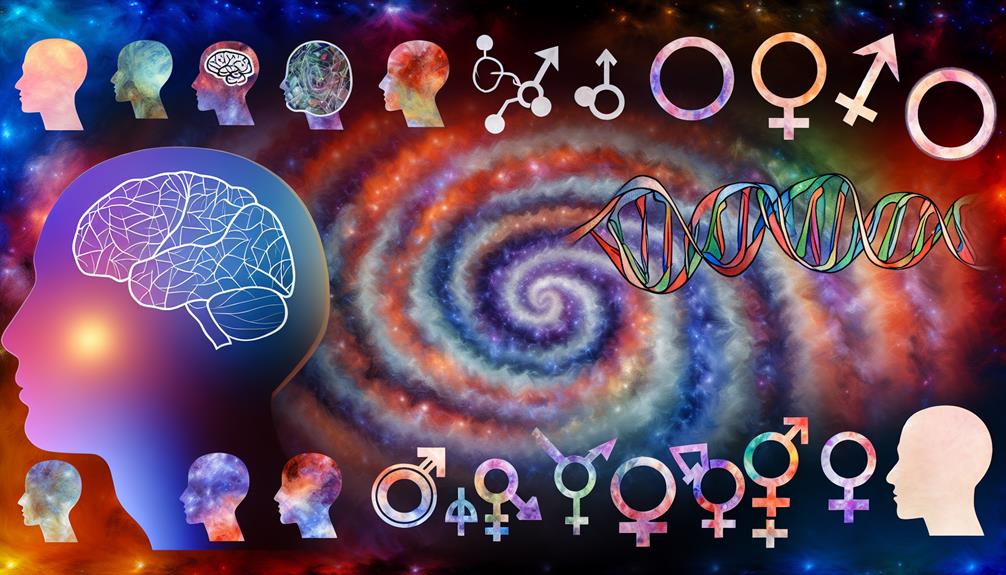
Imagine you’re trying to understand what it means to be transgender from a scientific perspective. You’ve probably heard that it’s not just about how someone looks but how they truly feel inside. Picture brain studies showing that transgender people’s brains often resemble those of the gender they identify with, not the one they were assigned at birth. This suggests that being transgender isn’t just a choice or a trend. It’s rooted in biology and identity. But how does all this science impact everyday experiences and rights for transgender individuals? Let’s investigate further.
When you look back through history, you’ll find that transgender identities aren’t a new phenomenon. In fact, they’ve been part of human society for centuries. Take, for example, Roman Emperor Elagabalus, who, in 222 AD, preferred to be identified as female. This shows that even in ancient times, people recognized diverse gender identities. During the Middle Ages, records also highlight the existence of individuals who didn’t fit into the traditional gender binary, demonstrating that these identities have persisted through time.
You’ve probably noticed that it’s only in the last century that acceptance of transgender identities has become a crucial societal issue. Despite modern challenges, historical evidence provides a rich tapestry of gender diversity, reminding you that today’s struggles for recognition are part of a larger story. This history is significant because it helps underscore the significance of understanding transgender experiences and how societal attitudes have evolved.
Diving into the world of gender terminology can feel overwhelming initially, but it’s vital for fostering understanding and respect. When you hear the term “transgender,” it refers to someone whose gender identity doesn’t match the sex they were assigned at birth. Imagine if you were always told you were a bird, but you felt more like a fish; that’s similar to how a transgender person might feel.
Then there’s “gender dysphoria,” a term describing the distress that can arise from this mismatch. Think about wearing shoes that don’t fit—it can be uncomfortable and frustrating. Understanding this term helps you empathize with those experiencing such feelings.
“Gender fluid” is another term you might encounter. It describes someone whose gender identity can change over time, like how your taste in music might vary depending on your mood. This fluidity is perfectly valid and significant to acknowledge.

Understanding the key gender terminology sets the stage for examining how individuals might express their gender identity in everyday life. If you’re considering changing your gender presentation, there are a few paths you can take. Social change is often the initial step. It includes things like coming out to friends and family, using new pronouns, or changing your name. Imagine the relief of ultimately being called by your chosen name. It’s crucial that your loved ones support you during this time, as acceptance can greatly enhance your mental health.
For those seeking medical change, you might investigate options like therapy, hormone treatments, or even surgeries. Hormone treatments can change your voice and appearance, making you feel more like yourself. However, it’s essential to consult with a healthcare professional as these treatments come with risks like mood changes or blood clotting. Puberty blockers might be prescribed if you’re younger, delaying changes that don’t align with your gender identity.
Surgical options are available too, but they’re usually considered after long discussions and with certain age-related requirements. Financial challenges exist, as not all insurance plans cover these surgeries. Your path is unique, and it’s about finding what makes you feel complete.
While exploring scientific insights on gender identity, you’ll find that the brain plays a crucial role in determining how one identifies. Imagine your brain as the control center for your sense of self. Studies using MRI scans reveal fascinating details: transgender males often have brain patterns similar to cisgender males, while transgender females show patterns like cisgender females. This brain activity supports the idea that gender identity isn’t just about the body but deeply rooted in the mind.
Let’s consider a simple analogy: think of gender as a spectrum, much like a rainbow. Each person finds themselves somewhere along this spectrum, whether they’re transgender, cisgender, or non-binary. Research confirms that this spectrum is real and significant. It’s like having a unique map that guides you to your true self.
Understanding gender identity requires looking beyond physical appearance. It’s about recognizing that the brain and body can develop differently. This knowledge brings a clearer, more scientific perspective to the conversation on gender identity. By focusing on these scientific insights, you’re better equipped to appreciate the diverse experiences within the transgender community and support their path of self-discovery.

Just as understanding the science behind gender identity enriches our perspective, advocating for transgender rights and educating others is crucial for fostering acceptance. You can start by using and respecting preferred pronouns. This small act shows respect for a person’s identity and sets a positive example for others. Imagine a workplace where everyone feels included because their identity is acknowledged and respected. That’s the kind of environment advocacy helps create.
Education plays a huge role in breaking down misconceptions. You might not realize it, but many people don’t have access to accurate information about transgender issues. Sharing your knowledge can dispel myths and promote understanding. For instance, you could organize or participate in workshops at your local school or community center. These sessions can cover topics like the importance of pronouns, understanding gender dysphoria, and the difference between gender identity and sexual orientation.
Advocacy also means supporting policies that protect transgender rights. You can engage in campaigns or petitions that push for inclusive laws. By doing so, you’re not just standing up for transgender individuals but also fostering a society where everyone, regardless of their gender identity, feels safe and valued.
To support a transgender person’s path, you should actively listen and use their chosen name and pronouns. Encourage open conversations and educate yourself on transgender issues to avoid misconceptions. Celebrate their milestones, whether they’re social or medical changes. Offer emotional support, especially during challenging times. Respect their privacy and boundaries, and advocate for them when necessary. Your genuine support can make a huge positive impact on their well-being.
Imagine a butterfly emerging from a cocoon, a symbol of transformation often misunderstood. You might think being transgender is just about surgery, but it’s really about aligning one’s inner self with their outer expression. Some believe it’s a phase or linked to mental illness, yet it’s as natural as a rainbow after rain. Just as we respect diverse colors, understanding transgender identities requires open hearts and minds, embracing their unique path.
Culture deeply impacts how you view transgender individuals. In some societies, transgender identities are celebrated and welcomed, like in India with the Hijra community. In others, misconceptions and stereotypes prevail, leading to discrimination. Your understanding can be shaped by media representation, education, and societal norms. By actively engaging with diverse perspectives and advocating for inclusivity, you help challenge biases and support a more accepting environment for everyone.
About 71% of transgender individuals face anxiety or depression. You might feel misunderstood or pressured to fit into certain roles, impacting your mental health. Imagine trying to express your true self but facing barriers at every turn. Support from friends, family, and mental health professionals can make a huge difference. Accept who you are, seek help when needed, and remember, you’re not alone in this expedition.
You can make your workplace more inclusive for transgender employees by starting with simple actions. Encourage using preferred pronouns in meetings and email signatures. Create gender-neutral bathrooms and guarantee your policies support all identities. Provide training for staff to foster understanding and respect. Celebrate diverse voices and experiences through events or discussions. Your efforts show support, help reduce discrimination, and make everyone feel valued and comfortable at work.
As you investigate the science of being transgender, it’s no coincidence that brain studies and personal stories align, showing us that identity is more than skin deep. Just like how two people might choose the same book for different reasons, gender identity is a unique odyssey for everyone. By understanding this, you’re helping to create a world where everyone’s story is respected and valued. Keep learning, keep supporting, and you’ll make a difference.

 Featured PostsOctober 21, 2026The Trans Journey to Passing
 Featured PostsOctober 17, 2026From Job Search to Success: A Transgender Woman’s Employment Journey
 Activism and ChangeOctober 17, 2026Trans Rights at Risk? The Implications of a Trump 2024 Win
 Featured PostsOctober 17, 2026One Step Closer: Trans and Passing