Do Anti-Trans Advocates Even Understand How Bathrooms Function?
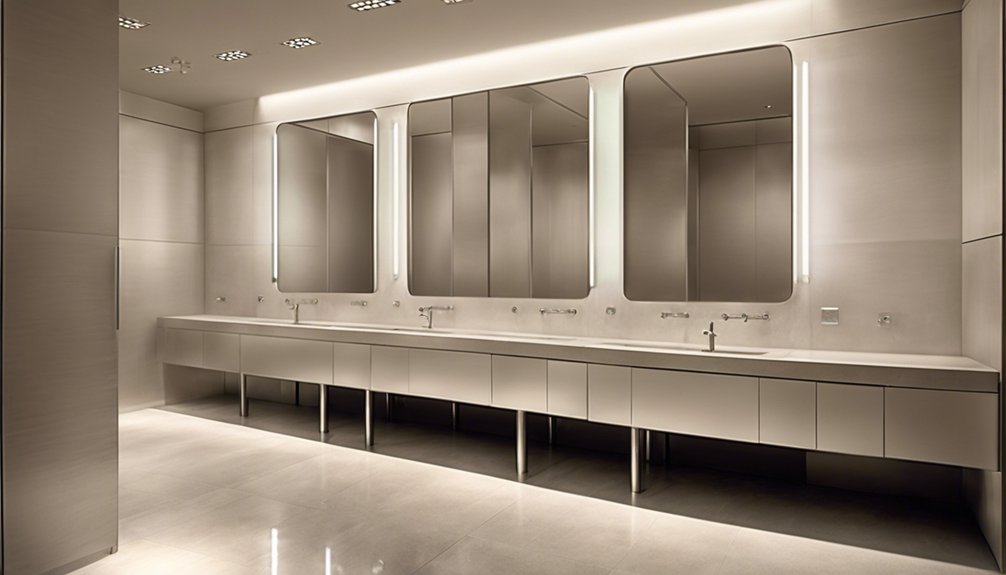
When discussing public restrooms, it's vital to understand that they're designed to guarantee privacy for everyone, debunking misconceptions that transgender individuals present any increased danger. The fear surrounding transgender people using public restrooms is often based on misinformation rather than actual safety concerns. Public restrooms, with their stall doors, are created to guarantee privacy and security, making the myth that transgender individuals pose a threat largely unfounded.
Anti-trans bathroom bills, which aim to restrict bathroom access based on gender identity, are rooted in stereotypes that don't reflect reality. Studies consistently show that sexual assault in restrooms is not more likely to occur because of transgender people. In fact, most sexual violence is perpetrated by someone the victim knows, not a stranger in a public restroom. These bills ignore this significant fact and instead perpetuate harmful stereotypes that transgender individuals are inherently dangerous.
Moreover, implementing such discriminatory policies would require invasive and impractical measures, like policing people's gender identities, which isn't feasible and raises serious ethical concerns. This would particularly impact trans students, who already face significant challenges in educational settings. Forcing them to use facilities that don't align with their gender identity can lead to distress and stigmatization, further hindering their ability to learn and thrive.
It's vital to recognize that nondiscrimination laws, which allow individuals to use restrooms corresponding to their gender identity, haven't led to an increase in sexual assaults. These laws promote inclusivity and protect the rights of transgender individuals while maintaining public safety. The historical context of gender-segregated restrooms reveals that these spaces have often been more about enforcing societal norms than guaranteeing safety. Despite this, anti-trans advocates continue to push narratives that don't align with evidence, creating unnecessary fear and division.
In understanding the function of bathrooms, one must critically assess the impact of these misconceptions. Instead of succumbing to unfounded fears, embracing inclusive policies and debunking myths about transgender individuals can foster a safer and more equitable society for everyone. Recognizing and addressing these issues through an intersectional lens is vital in advancing the rights and dignity of all individuals.

 Featured PostsSeptember 20, 2026Full or Partial Transition? Understanding the Options for Older Trans Adults
 Activism and ChangeAugust 27, 2026From Erasure to Oppression: The Rise of Anti-Trans Laws
 Activism and ChangeAugust 27, 2026The Power of Resistance: Lessons From the Stonewall Riots
 Featured PostsAugust 27, 2026Dysphoria: Acknowledging the Pain, Finding Hope