Ohio Republicans Continue Quest To End Transition "For Everyone" With Bathroom Ban
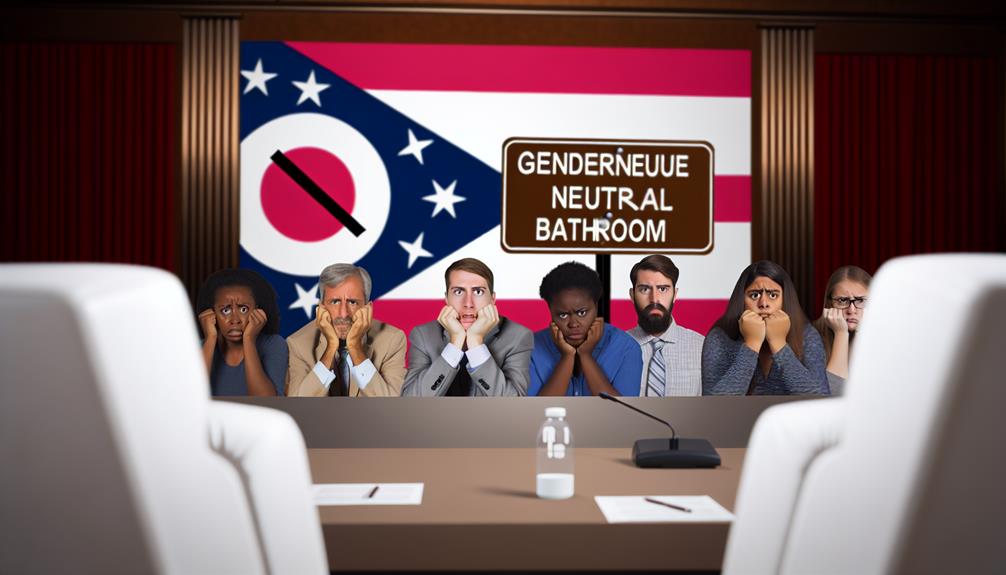
Ohio Republicans are drafting bills, proposing bans, and advancing legislation to restrict restroom access based on biological sex through House Bill 183. This bill aims to eliminate multi-occupancy all-gender restrooms in schools, which could seriously impact transgender individuals who then face the dilemma of using inappropriate facilities or being excluded entirely. Such measures can worsen mental health issues and increase the risk of harassment. Advocacy groups are raising their voices against this, arguing it reflects a broader, discriminatory political agenda. What are the wider implications of this bill, and how might it shape the future of transgender rights?
Ohio Republicans are actively pushing forward House Bill 183, which stops transgender individuals from using restrooms that match their gender identity in K-12 schools and colleges. This bill also bans the construction of multi-occupancy all-gender restrooms in educational institutions across Ohio, aiming to enforce strict bathroom usage based on biological sex.
To incorporate HB 183 into Senate Bill 104, lawmakers bypassed standard legislative procedures. This has raised concerns about transparency and whether the legislative process was fair. When the House voted on the amended bill, it passed with a vote of 60-31, showing significant partisan support for the bathroom ban.
The next step for this bill is the Senate’s approval. However, the Senate isn’t expected to reconvene until the fall, which means there will be a waiting period before any final decisions are made. If the Senate concurs with the amended bill, it will then be sent to Governor Mike DeWine for approval.
This legislative push reflects a broader effort to limit the rights of transgender individuals and has sparked a heated debate about personal freedoms and traditional values in Ohio.
The bathroom ban deeply affects transgender individuals by restricting their ability to use restrooms that match their gender identity, leading to significant daily challenges and safety concerns within schools and colleges.
When you can’t use a restroom that aligns with your gender, it disrupts your day-to-day life, making even simple tasks stressful. You might feel unsafe or unwelcome in public spaces like schools, which should be places of learning and inclusion.
By banning multi-occupancy all-gender restrooms, the legislation forces many transgender students to choose between using facilities that don’t align with their identity or not having access at all. This increases feelings of marginalization and discrimination. Research shows that such restrictions can worsen mental health issues, raising risks of anxiety and depression among transgender youth.
Additionally, the ban can lead to unsafe situations. When you’re compelled to use a restroom that doesn’t match your identity, you may face harassment or violence. Enforcement based on physical appearance also poses a risk, as it relies on subjective judgments that can misidentify and discriminate against those who don’t conform to traditional gender norms.
This legislation, consequently, creates an environment of fear and exclusion.
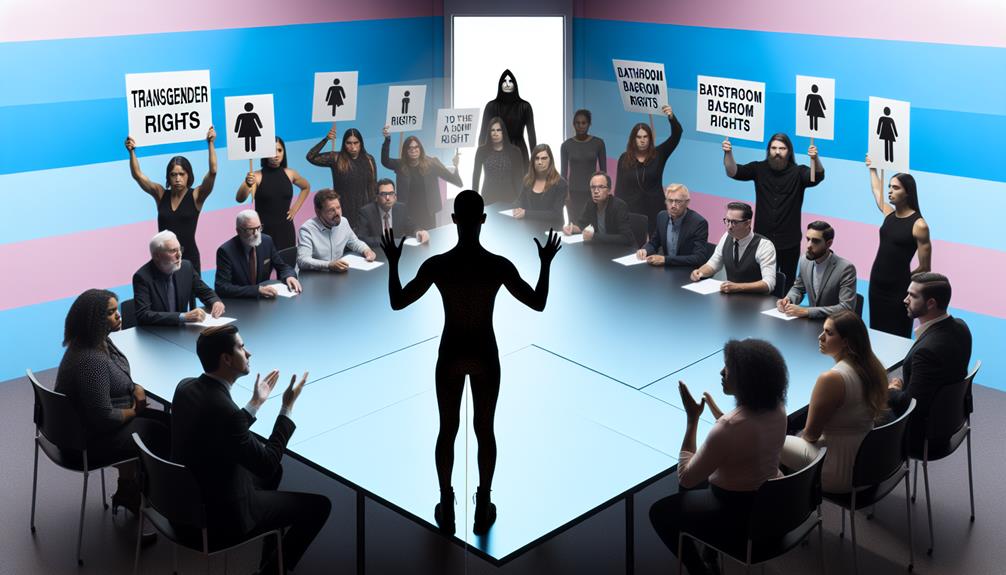
Advocacy groups have fiercely condemned the bathroom ban, calling it a discriminatory attack on transgender rights. They argue that this legislation undermines the dignity and safety of transgender individuals in public spaces. You can see their concerns reflected in several key points:
The response from these groups isn’t just about the immediate impact of the ban. It’s part of a broader national trend resisting anti-trans legislation.
These groups are calling for increased political engagement and support for LGBTQ+ rights, highlighting the need for a more inclusive and just society.
When examining the historical context of bathroom bills, it’s crucial to understand that these laws have consistently aimed to restrict restroom access for transgender individuals based on their biological sex. The initial major bathroom bill was introduced in North Carolina in 2016, which led to a national uproar and intense discussions about transgender rights and public safety.
Since 2016, more than 550 anti-LGBTQ+ bills have been introduced in numerous states. Many of these bills specifically target restroom access for transgender individuals, reflecting a broader societal bias against LGBTQ+ rights. These legislative measures often coincide with an increase in anti-trans rhetoric, suggesting that certain political groups use these issues to create division and rally support.
Bathroom bills have significant negative impacts on transgender people. They can lead to increased discrimination and mental health issues, highlighting how such laws affect the rights and well-being of marginalized communities.
Understanding this historical context helps explain why current efforts, like those in Ohio, aren’t isolated incidents but part of an ongoing struggle over gender rights and inclusivity in society.
Passing Ohio’s bathroom ban could pave the way for similar laws across the country, potentially rolling back transgender rights nationwide. If this bill passes, it might inspire other states to adopt similar measures, leading to a broader erosion of transgender rights, especially in educational settings.
You can expect several key outcomes:
Monitoring the impact on school environments is vital. If Ohio’s ban becomes law, it could signal a need for more robust protections for transgender students, not just in Ohio but nationwide.
It’s important to stay informed about these developments and support efforts that promote dignity, safety, and inclusion for all students. By understanding these potential future implications, you can better appreciate the gravity of the situation and the need for proactive advocacy.
Ohio Republicans argue that the bathroom ban is necessary to protect privacy and safety in public restrooms.
They believe that allowing people to use facilities that align with their gender identity could lead to misuse and potential harm.
‘Every coin has two sides.’ If you support implementing a bathroom ban, you’ll likely face significant legal challenges.
Constitutional rights like equal protection under the law and privacy concerns could be grounds for lawsuits.
Civil rights organizations will probably argue that such a ban discriminates against transgender individuals, violating federal protections.
Courts may also scrutinize whether this legislation serves any legitimate governmental interest, potentially leading to its invalidation.
You might find that Ohio Democrats strongly oppose the proposed bathroom ban.
They argue that it discriminates against transgender individuals and violates basic human rights.
They emphasize the importance of inclusivity and equality, asserting that everyone should have the right to use facilities that match their gender identity.
Democrats also highlight potential negative impacts on mental health and safety for transgender people, pushing for policies that protect all citizens.
Enforcing a statewide bathroom ban can have significant financial implications.
You’d see costs rise due to the need for increased policing and surveillance to guarantee compliance.
Legal challenges could also drain state resources, as lawsuits are likely.
Public buildings might need renovations to accommodate the new rules, and businesses could face backlash that impacts their bottom line.
All in all, it’s a costly endeavor that affects diverse sectors.
You might be wondering if there are any exemptions in the proposed bathroom ban legislation.
Well, the current draft doesn’t offer any specific exemptions or special cases. It applies uniformly, meaning no consideration for individuals who might have unique circumstances.
Lawmakers argue this approach guarantees consistency, but critics highlight the lack of flexibility as a significant flaw, potentially causing more harm to those who are already vulnerable.
So, you see, it’s no coincidence that Ohio Republicans are pushing House Bill 183 right now.
This bathroom ban isn’t just about restrooms; it’s part of a broader effort to limit transgender rights.
As you consider the impact, keep in mind that this legislation could seriously harm transgender individuals by forcing them into unsuitable facilities or excluding them entirely.
It’s essential to stay informed and involved in the conversation to protect everyone’s rights and well-being.

 Featured PostsFebruary 2, 2026The Weight Lifted: Navigating Your FTM Top Surgery Recovery
 News and AdvocacyJanuary 30, 2026Threat Assessment: 47 Organizations Launch National Initiative Against LGBTQ+ Marital Equality
 Featured PostsJanuary 30, 2026Voice in Female-To-Male Transgender Persons After Long-Term Androgen Therapy
 Featured PostsJanuary 30, 2026My Wife Doesn’t Know I’m Trans