Facial Feminization Surgery (FFS), Before, During and After
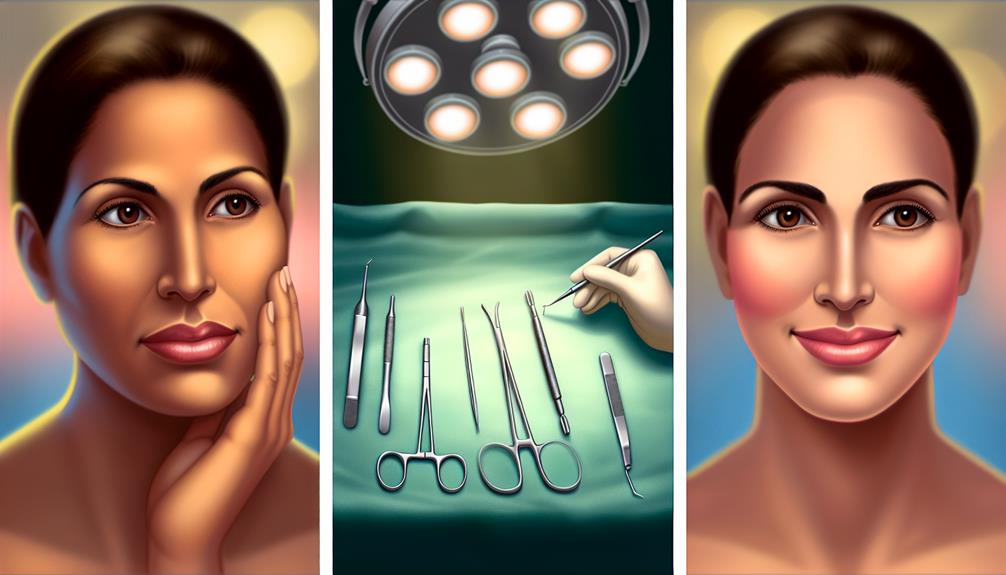
Just as sculptors transform stone into art, you’re about to commence on a voyage that reshapes not just your face but your entire perception of self. Before stepping into the operating room, it’s vital you prepare both mentally and physically, setting realistic expectations and avoiding habits like smoking. During the surgery, skilled hands work meticulously, while you rest. Afterward, managing swelling and adhering to care instructions become your main tasks. The road to healing is long, but with the right emotional support, it’s a transformative experience. So, what should you expect at each stage of this profound shift?
Before you head into facial feminization surgery, it’s vital to be well-prepared to secure a smooth process and recovery. Start with a thorough assessment with your surgeon. This involves reviewing your medical history, mental health, and setting realistic goals for the surgical procedure. It’s critical to have imaging studies, like X-rays or 3D CT scans, to help your surgeon plan effectively and establish a baseline for your post-operative results.
In the weeks leading up to surgery, there are significant steps to follow. Stop smoking and avoid certain medications, especially anticoagulants, as these can increase the risk of complications during and after the surgery. If you’re having multiple procedures done, a staged surgical approach might be recommended. This reduces anesthesia exposure and allows time to recover between operations, enhancing your safety.
Make sure you’re ready for post-operative care. Arrange for someone to help you at home and get any necessary medications in advance. Understand your follow-up schedule to monitor your recovery closely. These steps in preparing for surgery will help you feel confident and secure a smoother experience through your facial feminization process.
Diving into the surgical experience of Facial Feminization Surgery (FFS) can feel both exhilarating and daunting. As you prepare for surgery day, you’ll meet with your surgical team to review the thorough pre-operative assessment, including imaging scans and discussions about your aesthetic goals. This is your chance to ask questions and confirm that everything is in place for a smooth procedure.
Once you’re in the operating room, the surgeon makes an incision to begin the transformation. Depending on the complexity of your chosen procedures—ranging from rhinoplasty to jaw contouring—the surgery could last anywhere from one to nine hours. These procedures often involve changes to your soft tissue to achieve the desired feminine facial features.
After the surgery, the immediate recovery period involves an observation stay, typically lasting about a day, to monitor your initial recovery. You’ll encounter common post-operative side effects like bruising and swelling, which can persist for 4-6 weeks. During this time, adhering to post-operative care instructions is vital. Effective communication with your surgical team helps guarantee a smooth recovery period, addressing any concerns promptly and keeping you on the path to achieving your desired outcome.

Kicking off your immediate post-op care, it’s crucial to manage discomfort with prescribed pain medications and apply cold compresses to help reduce swelling and bruising in the initial few days. Pay close attention to your body’s needs and adhere strictly to your surgeon’s advice. Monitor yourself for any signs of complications, such as excessive bleeding, infection, or unusual swelling. If you notice anything concerning, contact your healthcare provider immediately.
Your recovery will also include several key steps:
Managing swelling and pain after facial feminization surgery is vital for a smooth recovery. Swelling and bruising are common, especially in the initial few days. You’ll notice peak swelling within this period, but don’t worry—it’s normal. To manage this, keep your head raised as much as possible. Raising helps reduce swelling and speeds up recovery.
Applying cold compresses in the initial 48 hours can also provide relief from discomfort and help with swelling. Regarding pain, your prescribed medications are your best friend. Take them as directed to alleviate discomfort effectively.
Here’s a helpful table to guide your aftercare:
| Action | Purpose | Duration |
|---|---|---|
| Raise Head | Reduce swelling | As much as possible |
| Cold Compress | Relieve discomfort | Initial 48 hours |
| Take Medication | Manage pain | As prescribed |
| Follow Instructions | Best healing | Entire recovery |
| Rest | Support recovery | Ongoing |
Following your surgeon’s aftercare instructions is vital. Stick to the recommended activity restrictions and manage dressings properly to guarantee best healing and minimize complications. Remember, a little patience and careful aftercare will go a long way in your recovery experience!

While the primary phase of recovery from Facial Feminization Surgery (FFS) might seem overwhelming, the long-term healing process offers a path to accept your new self. This expedition can take up to a year, but with patience and care, you’ll gradually see your desired results. The initial few weeks are vital as significant swelling and bruising subside, allowing you to slowly welcome the changes.
To guarantee a smooth recovery, keep these tips in mind:
During the long-term healing process, it’s important to maintain a positive outlook and focus on the progress you’re making. As you attend your follow-up appointments and lean on your emotional support network, you’ll find yourself more aligned with your true identity, celebrating each step of your transformation.
As you move forward from the initial stages of healing, it’s essential to focus on the emotional and psychological aspects of your recovery. Emotional support plays a significant role in improving your psychological well-being after Facial Feminization Surgery (FFS). It’s normal to feel a mix of anxiety and relief during this time, so reaching out to supportive friends, family, or a therapist can make a meaningful difference.
Building community connections through support groups can provide a safe space to share your experiences and learn from others who’ve undergone similar paths. These interactions can elevate your self-esteem and help alleviate feelings of isolation or depression linked to gender dysphoria. Many patients report feeling more socially confident post-surgery, and having a reliable network can amplify these positive effects.
Consider engaging in therapy or joining online forums to navigate emotional challenges and set realistic expectations for your recovery. Studies show that those who receive emotional and psychological support before and after surgery often experience higher satisfaction with their outcomes. Remember, you’re not alone, and fostering these connections can greatly improve your comprehensive change and well-being.

Through the lens of personal storytelling and community interaction, sharing your experience post-Facial Feminization Surgery (FFS) can be both empowering and enlightening. By opening up about your odyssey, you not only provide emotional support to others but also gain invaluable insights into your own transformation. The path of FFS can be complex, involving emotional highs and lows, and sharing these experiences can foster a sense of belonging and understanding.
Here’s how you can share your story effectively:
Facial feminization surgery results are generally permanent, so you can expect them to last a lifetime. Essential procedures like jaw reduction and rhinoplasty don’t revert. While fillers might need occasional upkeep, the main changes stay put. Your results’ longevity can depend on factors like maturity and skin care. Follow-up care is vital to maintain your look. Enjoy the confidence enhancement as you align more closely with your gender identity.
Yes, FFS can make your face appear smaller. By contouring your forehead, reducing your jawline, and reshaping your chin, your facial features become softer and more feminine. Techniques like buccal fat removal slim your cheeks, while rhinoplasty refines your nose for a delicate look. Each procedure works together, creating harmony and a smaller facial appearance. Welcome the transformation, follow your surgeon’s guidance, and enjoy the confidence that comes with your new look.
You’ll likely see a more feminine version of yourself after facial feminization surgery. Your features may appear softer, with a refined nose and a more delicate jawline. Expect initial swelling and bruising, which can temporarily hide the final results. Over time, as you heal, you’ll notice improved facial harmony and symmetry. It’s essential to follow post-op care instructions for the best outcome, and remember, the full transformation may take up to a year.
You’re probably wondering about the success rate of facial feminization surgery. Well, it’s impressively high, with over 90% of patients reporting satisfaction with their results. You’ll likely find a significant enhancement in self-esteem and quality of life. Most people also notice improvements in social acceptance and interactions. To guarantee a successful outcome, choose an experienced surgeon and maintain realistic expectations. These steps can help you achieve the results you’re hoping for.
As you commence your facial feminization expedition, think of it as planting a seed. You’ve prepared the soil with realistic goals and nurtured it with care. Now, as you undergo surgery, the transformation begins. Post-op, patience becomes your sunlight, helping you manage swelling and pain. Over time, healing blossoms into confidence and resilience. Lean on emotional support like water for growth. Share your blooming expedition, inspiring others to plant their own seeds of transformation.

 Featured PostsSeptember 29, 2026A Kansas Law Voided 1,700 Licenses. Now Judges Must Decide Whether It Stands
 Featured PostsSeptember 29, 2026Privacy, Dignity, and Rights: The Transgender Bathroom Controversy
 Featured PostsSeptember 29, 2026Finding Your Feminine Voice: A Guide to MtF Voice Therapy
 Featured PostsSeptember 29, 2026The First Time I Realised My Body Was Changing