Trans in High School: Facing and Overcoming Bullies
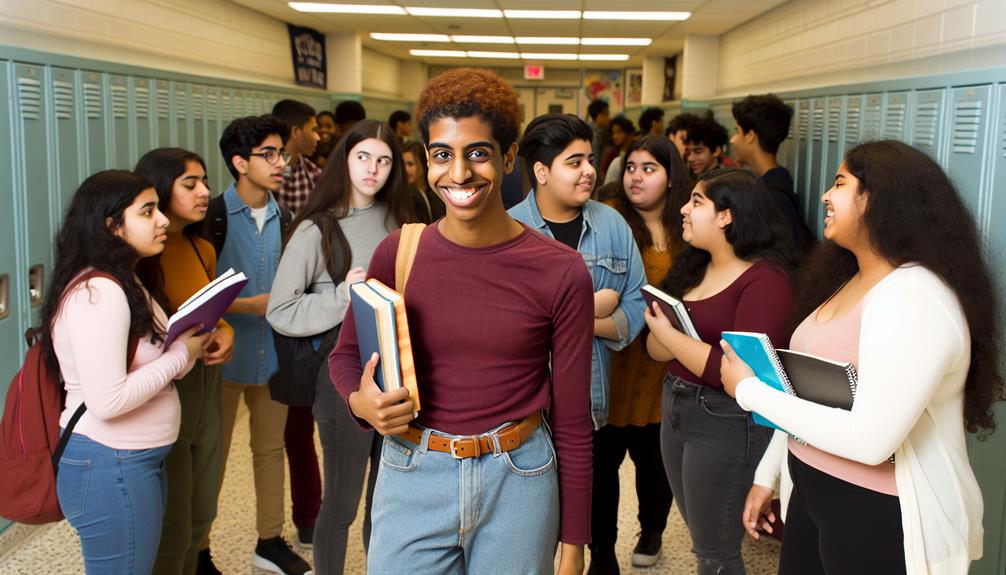
Imagine you’re a delicate flower trying to grow in a field full of thorns; that’s what being a trans student in high school can feel like. You might face bullying that chips away at your confidence and sense of safety. But don’t lose hope—there are ways to stand tall and thrive. By understanding your experiences, finding coping strategies, and leaning on supportive friends and family, you can overcome these challenges. How can you turn these trials into triumphs and create a more inclusive environment for yourself and others? Let’s investigate the possibilities together.
Why do transgender youth face such high rates of bullying in high school? It often stems from a lack of understanding and acceptance of diverse gender identities. Bullying can be verbal, physical, or social and is aimed at breaking down self-esteem. Transgender youth are six times more likely to experience bullying than their cisgender peers. This constant aggression can lead to severe mental health problems, including depression, anxiety, and even suicidal thoughts.
Creating safe spaces in schools is vital for supporting transgender youth. Safe spaces allow them to express their gender identities without fear of being bullied. For example, using preferred pronouns and providing access to facilities that align with their gender identity can make a significant difference. Schools need to promote inclusivity and understanding to reduce bullying incidents.
Awareness of the prevalence and impact of bullying is critical for effective intervention. When school communities are educated about the struggles transgender youth face, they can better support them. By fostering inclusive environments and advocating for the rights of transgender students, you can help create a more accepting and supportive school culture, ultimately reducing bullying and its harmful effects.
Transgender youth often share poignant stories of their high school experiences, highlighting both the pain and resilience they encounter. For many, bullying is a daily reality, with 83% of transgender or gender nonconforming youth reporting being bullied in the past year. This bullying can take many forms, from verbal abuse to physical harassment, all aimed at undermining their self-esteem and emotional well-being.
Personal experiences reveal the stark challenges faced by transgender students:
These experiences highlight the crucial need for acceptance and support. When schools enforce rigid gender norms, it amplifies the bullying, impacting transgender youth’s emotional well-being. However, the resilience of these students, and the support from accepting communities, can transform their school experiences into opportunities for growth and self-acceptance.

Many transgender students find that coping strategies can make a significant difference in their daily lives. Engaging in open communication with trusted friends, family, or school counselors can provide vital confidential support. This emotional backing is fundamental for building resilience against bullying.
Practicing self-affirmation techniques, such as positive self-talk and recognizing your personal strengths, can help improve your mental health. These practices empower you to face bullying experiences with greater confidence. Participating in LGBTQ+ support groups or clubs can also create a sense of community and belonging, reducing feelings of isolation.
Developing skills in conflict resolution and assertiveness can further empower you. These skills help you respond to bullying situations more effectively and safely. Remember, it’s significant to seek access to mental health resources and counseling services. These services can aid in addressing the emotional and psychological impacts of bullying, leading to improved mental health outcomes.
Connecting with others who share similar experiences can make you feel less alone and more supported. By focusing on these coping strategies, you can navigate high school with greater resilience and transform your experiences into opportunities for growth and acceptance within your community.
Support systems are crucial for trans students facing bullying and discrimination. Having a strong network can make a significant difference in their mental well-being and overall educational experience. When you have supportive peers, family members, and school staff, you’re better equipped to handle the challenges and stressors that come with being a transgender youth in high school.
Here are three key components of effective support systems:

Advocacy often plays a fundamental role in creating meaningful change for trans youth in high schools. When you engage in activism, you help shape a safer and more inclusive environment. Schools with active Gay Straight Alliances or LGBTQ+ clubs report lower bullying rates and a stronger sense of safety among transgender youth. Promoting the use of preferred names and pronouns can considerably reduce mental health issues, emphasizing the importance of recognition and validation.
| Action | Impact |
|---|---|
| Promote preferred names | Reduced mental health issues |
| Form LGBTQ+ clubs | Lower bullying rates |
| Advocate for inclusive policies | Safer school environments |
Comprehensive education and inclusive policies are essential. By advocating for policies that specifically address harassment based on gender identity, you empower students to report incidents without fear. Collaboration with organizations focused on LGBTQ+ rights amplifies awareness and drives systemic change.
Your activism can make a difference. Whether it’s through community engagement, volunteer initiatives, or simply standing up against bullying, every effort counts. Advocacy guarantees that trans youth don’t just survive high school but thrive, finding acceptance and support along the way. Welcome your role in this significant movement for change.
Yes, victims of school bullies often become depressed later in life. Bullying can leave deep emotional scars, leading to long-term mental health issues like depression and anxiety. You might find that the pain and humiliation from those experiences linger, affecting your self-esteem and general well-being. It’s crucial to seek support from trusted friends, family, or professionals to help navigate these challenges and foster healing.
Stopping bullying in schools is like planting seeds of kindness. You need to report incidents to teachers and staff, ensuring they take immediate action. Encourage open discussions about bullying and its effects. Create safe spaces where students can express themselves without fear. Promote a culture of respect and understanding through educational programs. Involve parents and the community to build a united front against bullying. Together, you can make a difference.
You can prevent bullying of LGBTQ+ students by educating your peers about the issues they face and promoting acceptance. Join or start a Gay Straight Alliance (GSA) at your school to build a supportive community. Always use inclusive language and respect preferred pronouns. If you see bullying, report it to school authorities and stand up against it. Your actions can create a safer, more inclusive environment for everyone.
Can high school bullying lead to depression and suicidality later in life? Yes, it can. Bullying severely impacts mental health, often resulting in long-term issues like depression and suicidal thoughts. You might feel isolated and hopeless, but remember, reaching out for support is essential. Build a strong network of friends, family, and counselors. Don’t hesitate to seek help and use available resources to protect your mental well-being.
In high school, facing bullies can feel like battling a storm, but you don’t have to weather it alone. Lean on your support systems—friends, family, and LGBTQ+ communities—to build your resilience. Schools can also be a safe harbor by fostering inclusive environments and promoting awareness. Remember, by standing together and advocating for change, you can help create a brighter, more accepting future for all trans students. You’re not just surviving; you’re thriving.

 Featured PostsFebruary 20, 2026Trans Adult Healthcare Under Siege as Project 2025 Architect Seeks Gender‑Affirming Care Ban
 Featured PostsFebruary 20, 2026Tennessee Lawmakers Approve Controversial Bill Permitting Discrimination Against Same-Sex Marriages
 Featured PostsFebruary 19, 2026Pride, Policy, and Punishment: LGBTQ+ Federal Employees Fight Back in Court
 News and AdvocacyFebruary 18, 2026Kansas Republicans Push Through Historic Trans Bathroom Bounty, Overriding Governor’s Veto