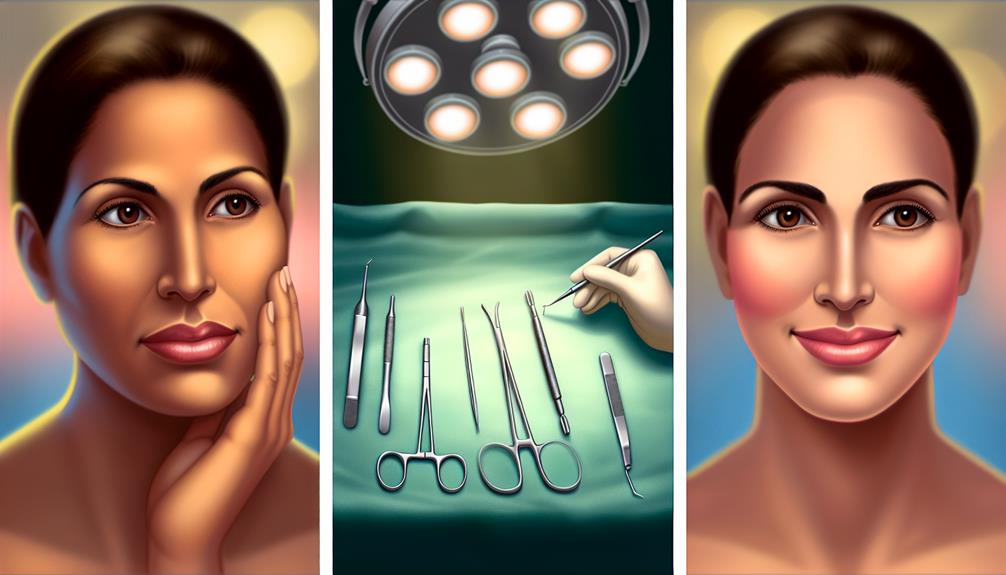
Getting Ready for FFS: How to Prepare for Your Consultation

Getting ready for your FFS consultation can feel overwhelming, but with a bit of preparation, you’ll walk in with confidence. Start by listing the facial features you’d like to change and gather your medical history, including any past surgeries. It’s essential to clarify your expectations and think about what you hope to achieve. Bring along any questions or concerns you have to foster an open dialogue with your surgeon. The more prepared you are, the more productive your consultation will be. Ready to take the next step and investigate how to choose your surgical procedures?
Understanding Facial Feminization Surgery (FFS) is an essential step in your process if you’re considering aligning your facial features with your gender identity. FFS involves diverse surgical procedures designed to soften and feminize facial features, which can be a considerable step for transgender women and nonbinary individuals seeking gender affirmation. It’s significant to understand how these surgeries can impact not only your appearance but also your mental health positively by aligning your physical self with your gender identity.
Before diving into surgery, consider any existing health conditions that might affect your surgical options. A thorough evaluation guarantees you’re a suitable candidate for FFS, and it helps tailor the procedures to your specific needs. This is an integral part of patient care, ensuring your safety and ideal results.
Your mental health plays a crucial role in this expedition, too. Feeling good about your appearance can considerably improve your psychological well-being. As you prepare for your consultation, focus on the benefits FFS can bring, such as increased confidence and happiness. Remember, understanding the process thoroughly will empower you to make informed decisions about your facial feminization surgery and general care.
When you’re choosing your surgical procedures for facial feminization surgery (FFS), it’s vital to focus on the areas that will best align your features with your identity. Start by discussing key areas with your surgeon, such as forehead contouring, brow lifts, rhinoplasty, jaw contouring, and tracheal shaving. These discussions will help you develop a personalized treatment plan tailored to your unique needs.
During your consultation, your surgeon will assess your facial bone structure and skin quality. This evaluation is significant for recommending the most effective procedures that match your facial features and personal goals. Keep in mind that combining surgical and nonsurgical options, like fillers and skin resurfacing, can also help achieve your desired feminine appearance.
Understanding the recovery times and potential side effects is vital for planning your surgeries. This knowledge allows you to make informed decisions about the staging and timing of the procedures, ensuring peak healing. Don’t hesitate to ask about your surgeon’s experience with specific FFS procedures and their outcomes. This will enhance your confidence in your surgical choices and help you feel prepared for your transformative experience.

As you finalize your choices for facial feminization surgery, consider the diverse incision options and the associated risks. Incision placement is essential for achieving the best aesthetic results and minimizing visible scars. Common incision options include hidden incisions along the hairline for forehead contouring and under the chin for jaw reduction. Your surgeon will assess your unique facial anatomy and hair growth patterns to determine the most suitable approach.
Discuss the potential risks, such as infection, delayed healing, and scarring, during your consultation. These can be influenced by your skin type and how well you follow postoperative care instructions. It’s significant to understand that every incision carries some risk, but knowing how your surgeon plans to manage scars can help set realistic expectations for your recovery and final results.
Ensure you ask about your surgeon’s experience with specific incision techniques and their approach to scar management. This can provide you with peace of mind and confidence in the process. By thoroughly understanding incision options and risks, you’re better prepared to make informed decisions that align with your facial feminization surgery goals. Remember, an open discussion with your surgeon is key to a successful outcome.
Recovery is a significant phase after facial feminization surgery, and preparing well can make all the difference. Start by setting up a cozy recovery space in your home. Stock it with necessities like medications, extra pillows for comfortable positioning, and easy-to-eat meals that require minimal preparation. This step guarantees you’ve got everything you need at arm’s reach during the healing process.
Make sure to arrange transportation for at least a week post-surgery. Having a loved one or caregiver to help with daily tasks and drives to follow-up appointments will ease your recovery experience. Follow all postoperative care instructions provided by your surgeon closely, including any activity restrictions and guidelines for monitoring potential complications. This diligence is fundamental for a smooth recovery.
Keep the lines of communication open with your healthcare providers. If any concerns or questions arise, don’t hesitate to reach out to them. They’re there to support you and make sure everything’s on track. Scheduling and attending all recommended follow-up appointments is also necessary for tracking your progress and addressing any issues early. Proper preparation for facial recovery sets the foundation for a successful outcome.

Hair transplantation can be a pivotal step in your facial feminization process, especially if you’re looking to address hair loss or refine a more feminine hairline. When discussing this option with your surgeon, consider which technique might suit you best: Follicular Unit Transplantation (FUT) or Follicular Unit Extraction (FUE). Each method provides different benefits, so it’s crucial to choose what aligns with your goals and hair type.
Before your consultation, assess your donor hair density and whether your hair loss pattern is stable. These factors determine your suitability for hair transplantation. Partnering with a surgical facility experienced in both hair transplantation and facial feminization will help guarantee natural-looking results. Ask the surgeon how hormone therapy might influence the procedure and recovery.
Discuss any concerns about recovery time. While downtime is often minimal, patience is key as results may take months to fully manifest. Engaging with a facial plastic surgeon who understands gender-affirming procedures can make a significant difference in achieving the look you desire. Remember, your path is personal, so take your time to craft a plan that feels right for you.
Beginning the voyage of facial feminization surgery (FFS) requires thorough preparation and understanding. To prepare for facial surgery, start by educating yourself about the diverse procedures involved, such as forehead contouring, rhinoplasty, jaw contouring, and tracheal shave. Each procedure is tailored to help you achieve a more feminine appearance, often complementing hormone therapy. It’s crucial to understand the potential risks and benefits of these surgeries.
Leveraging resources from organizations like the American Society of Plastic Surgeons can provide valuable insights and guidance. They offer educational materials to help you make informed decisions about your health and the surgeries you’re considering. Familiarize yourself with the recovery process, as it can vary greatly depending on the procedures you choose. Expect common side effects like bruising and swelling to last about 4-6 weeks.
Education is key to feeling confident and prepared for your consultation. Consider reaching out to centers focused on transgender and gender-expansive health for support and culturally competent care. Engaging in these educational activities will empower you to make informed choices and help align your physical appearance with your gender identity.

After educating yourself about the different procedures involved in facial feminization surgery, the next step is to work closely with your surgeon. Start by preparing a list of specific facial features you want to change. This helps your surgeon understand your goals and expectations, making the consultation more focused and personalized. Discuss your medical history, including any health conditions and medications you’re taking. This information is vital for safe surgical planning.
Be open about any previous surgeries or cosmetic procedures you’ve had. This can influence the surgical approach and expected outcomes. Sharing these details guarantees your surgeon can provide a realistic assessment of what’s achievable. It’s also significant to ask your surgeon about their experience and expertise in facial feminization surgery. Knowing the types of procedures they specialize in can enhance your confidence in their abilities.
You should typically be on hormones for at least 12 months before FFS. This timeframe allows your body to adjust and improves the surgery’s results. However, some surgeons recommend 6 months to 2 years depending on the specific procedures and your health. Discuss your hormone therapy duration with your surgeon during the consultation to guarantee it aligns with your personal goals and results in the best possible surgical outcome.
Imagine the soft comfort of a cozy blanket while you recover from FFS. You’ll need necessities like comfy clothes, easy snacks, and prescribed medications. Stock up on ice packs and pillows for head elevation. Arrange help for daily tasks and make sure someone is ready to drive you home. Keep follow-ups scheduled and stay patient; healing takes time. You can do it; each day brings you closer to your new, beautiful self.
Yes, you can talk after FFS, but it’s crucial to take it easy. Initially, you might feel some swelling and discomfort, which can make speaking a bit challenging. Start by speaking softly and gradually increase as you heal. Follow your surgeon’s advice on when and how much to talk. Remember, every recovery is unique, so listen to your body. Being patient with yourself will help you recover smoothly.
Think of wearing a jaw bra after FFS as a cocoon, cradling your transformation. You’ll typically wear it for 1 to 2 weeks, allowing your new self to emerge gently. Make sure it’s snug but not too tight; comfort is key. Follow your surgeon’s advice on when to adjust or stop using it. Welcome this healing phase, knowing it’s an essential step towards revealing the beautiful you.
To prepare for your FFS consultation, take time to understand your goals, research your options, and prepare your questions. Clarify what you want, communicate openly, and trust the process. Be proactive, be informed, and be confident. Welcome the path, welcome your choices, and welcome the change. By focusing on knowledge, communication, and preparation, you’ll create a positive and empowering experience as you move forward with your facial feminization path. You can do this!

 Featured PostsSeptember 5, 2026Administration Move Targets Trans Visibility
 Featured PostsAugust 27, 2026Transgender Identity: Ancient Roots and Modern Understanding
 Featured PostsAugust 27, 2026What Does Non-Binary Mean?
 Featured PostsAugust 27, 2026A Guide to Dating a Trans Woman